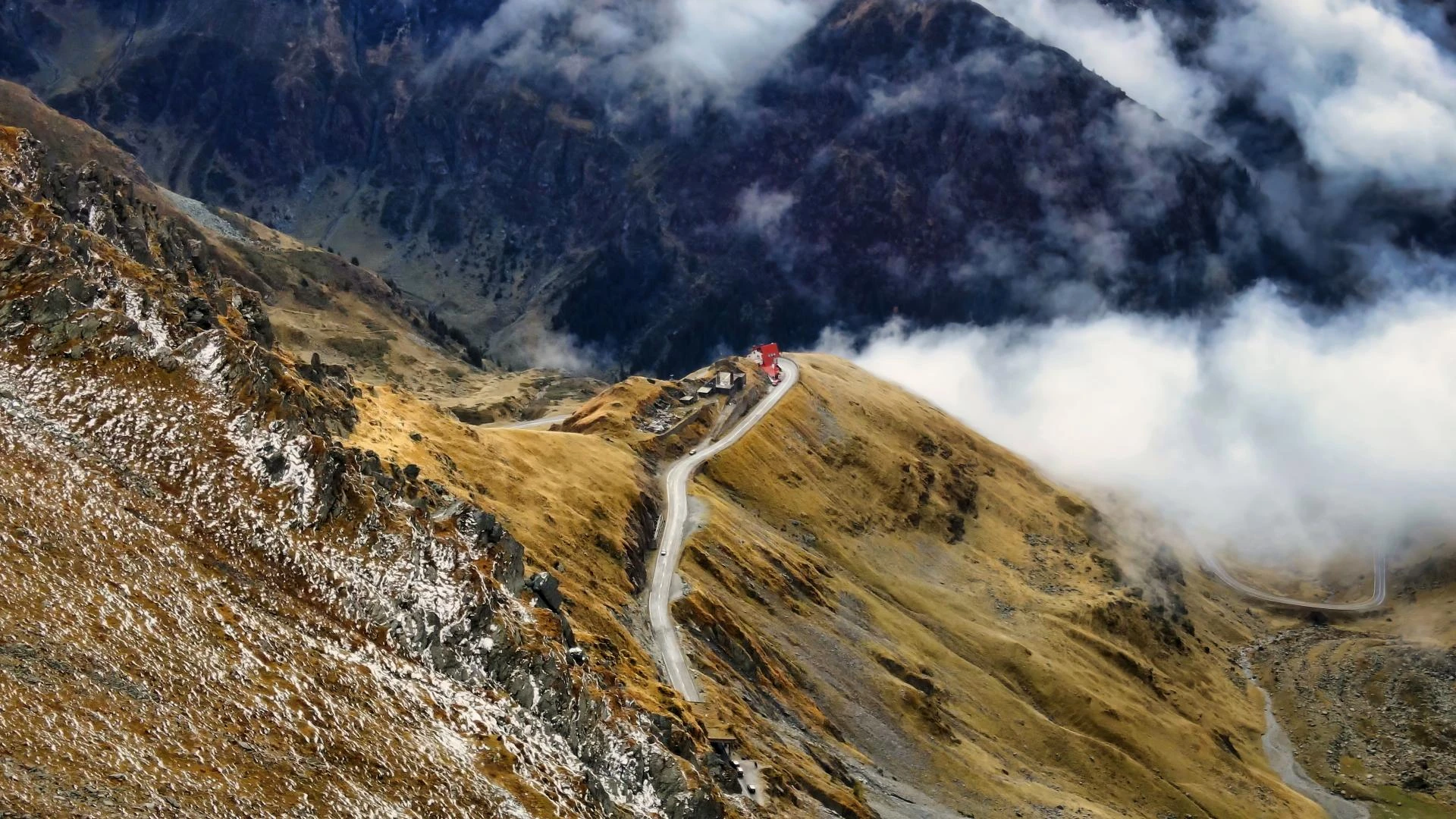

Embarking on an mt trekking Sirimon route adventure is a journey that blends challenge, natural beauty, and a deep connection with Mount Kenya’s unique ecosystem. For climbers seeking a mix of moderate trekking and breathtaking landscapes, the Sirimon route stands out as an ideal option. Starting from the verdant slopes of the western side of Mount Kenya, this trail offers a less crowded experience compared to other routes, making it perfect for adventurers who want both serenity and spectacular views.
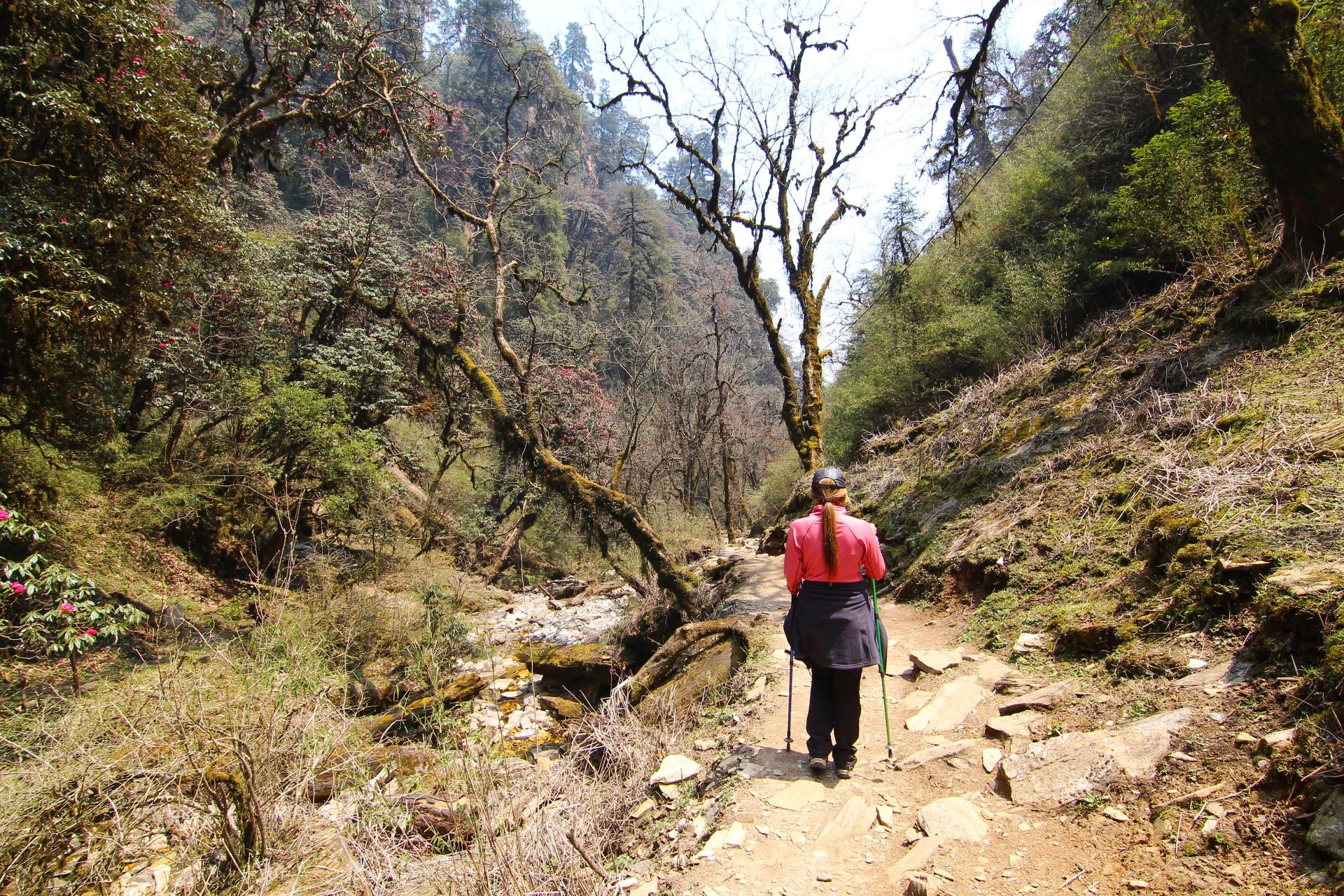
The trek begins at the Sirimon Gate, located at approximately 2,600 meters above sea level. From here, the path meanders through thick bamboo forests and the dense montane forest zone, rich with indigenous flora and fauna. Early morning hikes often reveal playful colobus monkeys leaping across the trees, while the forest floor is dotted with colorful wildflowers and occasional sightings of duikers. The combination of fresh mountain air and tranquil surroundings sets the tone for a memorable climb.
Ascending further, trekkers enter the heath and moorland zone. This area is characterized by giant lobelias and groundsels, plants uniquely adapted to the high-altitude environment. The terrain here is a gentle incline, making it suitable for climbers looking to adjust gradually to higher elevations. Photographers and nature enthusiasts will find plenty of opportunities to capture the striking contrasts of green shrubs against the rugged mountain backdrop. The moorland’s vast open spaces provide a sense of freedom and a unique perspective of Mount Kenya’s peaks.
One of the highlights of the Sirimon route is Shipton’s Camp, situated around 4,200 meters. This camp serves as a base for acclimatization before pushing higher toward the peaks. The route from here to the peak passes through dramatic alpine landscapes, rocky ridges, and glacial valleys. At this altitude, trekkers experience a stark change in climate; temperatures drop significantly, and winds can become strong and persistent. Proper layering and high-quality trekking gear are essential to ensure comfort and safety during this phase of the journey.
For climbers aiming for Point Lenana, the third-highest peak of Mount Kenya, the final ascent is typically done in the early hours before sunrise. The early start allows trekkers to witness a spectacular sunrise over the surrounding valleys and peaks, casting golden hues on the snow-capped summits. The trek from Shipton’s Camp to Point Lenana is steep and rocky, requiring stamina and careful footing, but the reward is an unparalleled panoramic view of Mount Kenya’s glaciers, peaks, and the Great Rift Valley in the distance.
Descending via the Sirimon route offers a different perspective of the mountain. Trekkers pass through landscapes they previously only glimpsed from above. Streams that were once distant appear closer, and the forested sections regain their lush vibrancy in the afternoon light. The return journey allows climbers to reflect on their experience and soak in the serene beauty of the mountain without the pressure of ascending.
The Sirimon route is known for its relatively gentle slopes and well-maintained trails, which makes it accessible for a wide range of trekkers. Unlike the steeper Chogoria route, Sirimon offers a more gradual ascent, reducing the risk of altitude sickness when proper acclimatization is observed. Experienced guides recommend spending extra time at key camps, such as Old Moses Camp and Shipton’s Camp, to allow the body to adjust and ensure a safe, enjoyable experience.
Apart from its natural beauty, the Sirimon route is also rich in cultural heritage. Local Kikuyu communities inhabit the lower slopes, and trekkers may encounter traditional homesteads and small villages. Engaging with local guides not only enriches the trek with stories about the mountain’s history and mythology but also supports community-based tourism. The blend of cultural interaction and high-altitude adventure makes the Sirimon route a multidimensional experience.
Wildlife enthusiasts will find the mt trekking Sirimon route equally rewarding. The forested lower zones are home to elephants, buffalo, and various antelope species. Birdwatchers can enjoy spotting rare species such as the Mount Kenya rock thrush and the Hartlaub’s turaco. As the trek progresses to higher altitudes, the fauna changes, and sightings of mountain hyraxes and the occasional colobus monkey become more common. Each zone of the mountain provides a unique ecosystem, offering insights into how flora and fauna adapt to varying elevations and climates.
Preparation is key for a successful trekking experience on the Sirimon route. Trekkers are advised to carry layers of clothing suitable for cold alpine nights, durable trekking boots, and walking poles for stability on rocky sections. Hydration and nutrition are equally important; high-energy snacks, water, and meals supplied at camps help maintain energy levels for sustained climbs. Trekking with a professional company like Ice Rock Trekking ensures that all logistical needs—from camping gear to acclimatization strategies—are efficiently managed, allowing adventurers to focus fully on the experience.
Safety is another vital consideration. While the Sirimon route is considered one of the safer options on Mount Kenya, altitude sickness remains a potential risk. Early recognition of symptoms, gradual ascent, and regular rest periods are essential. Trekkers should always follow the advice of experienced guides and avoid overexertion. Emergency protocols, including access to communication devices and first aid, are standard practices when trekking with reputable operators like Ice Rock Trekking.
The scenic value of the Sirimon route cannot be overstated. From the dense montane forests to the moon-like alpine terrain near the peaks, every section of the trek offers a visual feast. Sunrise and sunset views from high camps are particularly memorable, often described as life-changing by those who have summited Point Lenana. Photographers and adventurers alike can expect to capture images that are both dramatic and serene, reflecting the mountain’s diverse landscapes.
In conclusion, embarking on mt trekking Sirimon route is an experience that rewards preparation, patience, and a sense of adventure. It combines manageable ascents, incredible biodiversity, cultural encounters, and awe-inspiring views, making it ideal for climbers seeking a fulfilling mountain experience. Whether you are an experienced mountaineer or a passionate trekking enthusiast, the Sirimon route promises an adventure that challenges the body, inspires the soul, and leaves lasting memories. With the right support, gear, and guidance, the journey along this route becomes not just a trek but a transformative adventure on the slopes of Mount Kenya.


























Sign in to leave a comment.