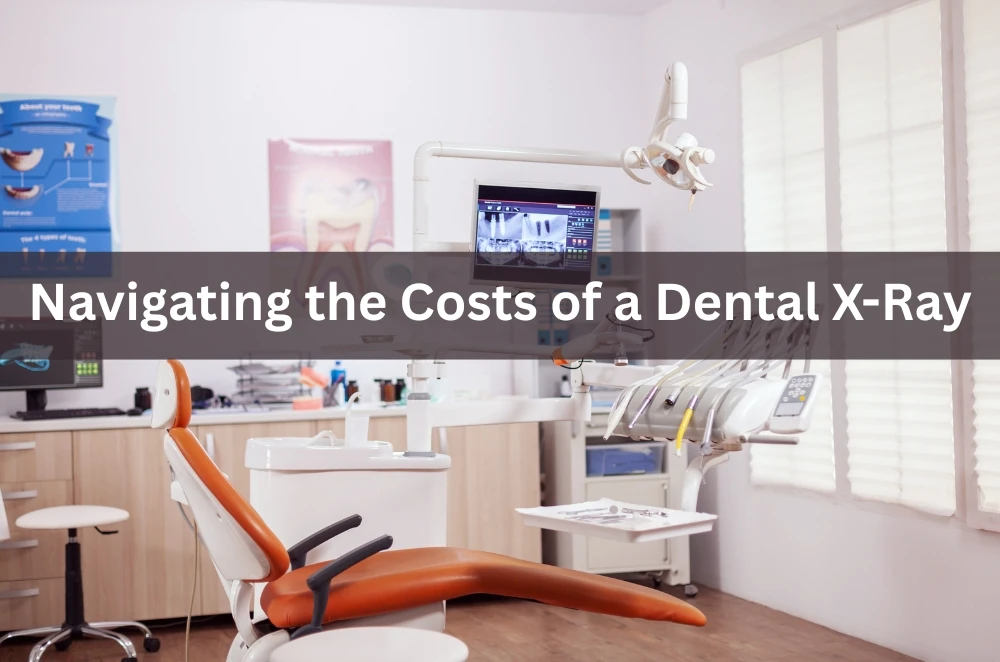

The first time I priced an X-ray, I expected a single number—as if every mouth, machine, and clinic worked the same. They don’t. Costs reflect the type of image, how it’s taken, and what the dentist needs it to show. A clear breakdown helps you plan, not guess. If you’re comparing quotes, the anchor is the dental x-ray cost against the exact image requested and any follow-up steps (consultation, report, or additional views). With that detail, pricing starts to read like a menu rather than a mystery.
What you’re paying for (beyond “an X-ray”)
A dental X-ray isn’t one thing; it’s several formats that answer different questions. Costs move with complexity, exposure, and the skill involved in capturing a clean image.
- Image type drives price: Bitewings and periapicals are quick and local; panoramic and cone beam CT (CBCT) cover much more anatomy and require different equipment.
- Equipment and upkeep matter: Digital sensors, calibration, and radiation monitoring are built into fees, alongside software used to read images.
- Time and interpretation: A crisp image still needs professional reading; fees may include reporting or a separate consult.
- Infection control standards: Single-use barriers, sterilisation cycles, and compliance checks are part of safe imaging and, therefore, part of the cost.
When you see a line item, match it to the clinical task. A small cavity check costs less than mapping impacted wisdom teeth because the tool and time are different, not because one clinic is “cheap” and another “expensive.”
Common image types and typical fee patterns
Knowing names prevents crossed wires at reception. It also makes quotes comparable from one clinic to another.
- Bitewing (usually two views): Targets decay between teeth and checks restorations; often bundled with routine exams.
- Periapical (single tooth focus): Looks at a tooth tip and surrounding bone; ordered for pain, root issues, or pre-treatment planning.
- Panoramic (OPG): Sweeps the jaws, sinuses, and joints in one pass; helpful for wisdom teeth, orthodontic overview, and sinus-tooth overlaps.
- CBCT (3D): Provides volumetric detail for implants, complex roots, or pathology; billed at a higher tier due to equipment and interpretation time.
Safety and value go together. National information on oral health and imaging sits within broader dental health, which outlines prevention as the first control on costs—catching issues early often means simpler, less expensive pictures.
Factors that change the number on your invoice
Two patients can receive the same image type and pay different amounts. Understanding why removes surprise and lets you ask focused questions.
- Practice setting: City centres may price differently from suburban or regional clinics due to rent, staffing, and access to specialised machines.
- Bundling versus à la carte: Some clinics fold basic images into a check-up package; others itemise each view.
- Repeat exposures: If movement or gag reflex blurs a shot, retakes can add time; many clinics absorb this, but not all.
- Referral pathways: External imaging centres (for OPG/CBCT) set their own schedules and may send the report separately from the clinic’s consult.
A short, written estimate that names the image, states how many views, and notes whether reporting is included makes comparison fair. It also helps insurance or rebate conversations stay clear and factual.
Rebates, itemisation, and paying less without cutting corners
You don’t need to be a billing expert to avoid overpaying; you just need a few practical habits that keep costs tidy while protecting quality.
- Ask for item names and counts: “Two bitewings” or “one periapical” is more useful than “some X-rays”—and it keeps quotes comparable.
- Bring prior images: If you had a recent picture of the same area, sharing it can prevent unnecessary repeats when clinically appropriate.
- Time images with treatment: A panoramic taken for wisdom teeth planning is often valid for scheduling decisions over the following months.
- Confirm inclusion: Clarify whether interpretation and follow-up explanation are included or billed separately.
Good records lower costs. A simple folder with dates and image types makes patterns obvious; repeating the same view too soon usually adds expense without adding clarity.
When urgency changes the plan (and the price)
Acute pain, trauma, or a lost filling can force timing. That doesn’t mean carte blanche pricing; it means choosing the smallest, clearest image that answers the immediate question.
- Stabilise, then image: Localised pain may only need a periapical today, with broader views scheduled later.
- After-hours premiums: Extended-hours access can carry higher fees; asking for the base image type keeps the conversation grounded.
- Third-party imaging centres: If a centre is needed for OPG/CBCT, note their fee and the clinic’s separate consult charge.
- Communication matters: Clear symptoms and history reduce “just in case” pictures that add cost but not certainty.
If the situation is more complex—facial swelling, trauma, or spreading pain—guides on dental emergencies in Sydney outline practical steps that keep you safe until a full assessment is complete, which can make the imaging plan more efficient.
Transparency checklist for clearer quotes
Before you book, a two-minute checklist makes billing easier to understand and keeps estimates faithful to your needs.
- Name the image: Bitewing, periapical, OPG, or CBCT—plus how many views.
- Ask what’s included: Image capture only, or capture + interpretation + brief explanation.
- Confirm any extras: Protective gear, retakes, or administrative fees (if applicable).
- Note delivery: Printed copy, digital file, or portal upload; different formats can carry minor fees.
Clear language removes friction. Clinics appreciate specific questions because they shorten back-and-forth and keep chair time focused on care rather than billing puzzles.
Safety, radiation dose, and value for money
Cost isn’t just dollars; it’s also how safely an image is achieved and how much it improves decision-making. You can expect modern equipment, barrier protection, and judicious use of exposures.
- ALARA in practice: “As low as reasonably achievable” guides dose decisions; fewer, targeted images are the norm.
- Rectangular collimation: Shaping the beam to the sensor reduces scatter for routine intraoral shots.
- Digital sensors and plates: Faster capture means less chance of retakes; that’s good for dose and budget.
- Comparative value: A single, well-chosen image often prevents unnecessary treatment or missed problems—value measured in avoided costs.
When safety and clarity align, imaging spends less over the full course of care. The best savings are the issues you never have to chase because you saw them early and planned accordingly.
Bringing it together (a short plan you can actually use)
A dull throb under a molar sent me in on a Tuesday. I described the exact tooth and timing; the clinician suggested a single periapical. The quote named the view, included interpretation, and noted that a digital copy would be emailed. No add-ons, no retakes. The image showed early inflammation—enough to plan, not enough to panic. Total cost made sense because it matched a focused question with a focused tool. On another day, I needed a panoramic to understand crowding before future work; priced higher, yes, but the result prevented piecemeal images later. Matching task to picture kept spending honest and decisions calmer over the next months. For broader planning around urgent care choices and referrals, emergency dentists in Sydney set expectations that translate well into any city’s routines.






























Sign in to leave a comment.