




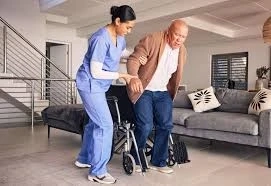
For many NDIS participants, accessing consistent and high-quality allied health services can be challenging due to mobility limitations, medical needs, transport issues, or busy routines. This is where NDIS Allied Health Home Visits become a life-changing support option.
Home-based care ensures that participants receive professional therapy and clinical support in the comfort and safety of their own homes — without the stress of travelling to clinics.
NDIS home visits are becoming an essential part of personalised support because they are flexible, participant-focused, and aligned with individual goals. Whether the need is physical rehabilitation, communication improvement, mental well-being, behavioural support, or functional independence, allied health professionals bring the support right to the participant's doorstep.
What Are NDIS Allied Health Home Visits?
NDIS Allied Health Home Visits refer to therapy and clinical support services delivered directly at a participant’s home under the National Disability Insurance Scheme.
Instead of travelling to a therapist or clinic, the therapist comes to the participant’s preferred location — home, community centre, workplace, or supported living arrangement.
These services are designed to help individuals improve their independence, mobility, lifestyle, communication, emotional well-being, and overall quality of life.
Types of Allied Health Services Available Through Home Visits
NDIS home visit services generally include a wide range of professional therapies. Here are the most common:
1. Physiotherapy
Physiotherapists help with:
- Improving mobility
- Building muscle strength
- Pain management
- Post-surgery rehabilitation
- Balance and coordination
- Preventing future injuries
Home-based physio sessions allow participants to practice exercises in their real living environment, making therapy more effective.
2. Occupational Therapy (OT)
OTs support participants in performing daily living tasks with confidence. They assist with:
- Home safety assessments
- Equipment prescriptions (wheelchairs, shower chairs, rails)
- Fine motor skills
- Sensory processing
- Functional capacity assessments
- Improving independence in dressing, cooking, bathing, etc.
OT home visits are extremely beneficial for participants with physical, cognitive, or developmental challenges.
3. Speech Pathology
Speech therapists help with:
- Speech clarity
- Communication difficulties
- Swallowing concerns
- Assistive communication devices
- Social communication skills
- Language development
Receiving speech therapy at home makes clients feel more relaxed and supported, especially children and adults with communication anxiety.
4. Psychology / Counselling
Mental health professionals can support participants with:
- Managing stress and anxiety
- Behavioural challenges
- Emotional regulation
- Social skills improvement
- Building coping strategies
- Improving mental well-being
Home visits allow participants to express themselves freely in a comfortable setting.
5. Behaviour Support
Behaviour support practitioners help participants by:
- Developing positive behaviour strategies
- Reducing harmful behaviours
- Supporting emotional well-being
- Teaching safe and healthy responses
Personalised plans are created after observing the participant in their home environment, making interventions more effective.
6. Dietetics & Nutrition
Dietitians provide:
- Meal planning
- Weight management
- Special dietary needs
- Nutrition support for medical conditions
A home visit helps the dietitian understand the participant’s real lifestyle and food habits.
Benefits of NDIS Allied Health Home Visits
There are multiple advantages to receiving therapy services at home:
1. Convenience & Comfort
Participants don’t have to manage transportation or long clinic wait times. The therapist comes directly to them.
2. Safe and Familiar Environment
Therapies become more personalised when delivered in a participant’s natural surroundings.
3. Higher Engagement & Better Outcomes
People respond better when they feel safe, relaxed, and supported.
4. Customised Assessments
Therapists observe:
- the home layout
- mobility challenges
- daily routine
- family or carer involvement
This helps in creating more accurate treatment plans.
5. Family / Carer Involvement
Family members can ask questions, understand therapy techniques, and help participants practice between sessions.
6. Goal-Oriented Support
Home visits focus on meaningful goals such as:
- walking independently
- improving communication
- reducing anxiety
- performing daily tasks
- increasing social participation
7. Ideal for High Needs Participants
Home visits especially help:
- wheelchair users
- participants with chronic pain
- children with developmental delays
- individuals with behavioural challenges
- participants who cannot travel alone
How NDIS Participants Can Benefit from Home-Based Therapy
NDIS Allied Health Home Visits help participants improve multiple areas of life:
Daily Living Skills
Making meals, bathing, dressing, household tasks, money management, etc.
Physical Well-being
Strength, mobility, pain management, safe movement around home.
Communication
Clear speech, social communication, alternative communication tools.
Mental Health
Confidence, emotional regulation, behaviour management, and coping strategies.
Community Participation
Building skills to engage in social and professional activities.
Who Can Access NDIS Allied Health Home Visits?
These services are suitable for:
- Adults with physical disabilities
- Children with developmental delays
- Participants with autism
- Participants with intellectual disabilities
- Individuals requiring regular therapy
- Participants with mobility restrictions
- Seniors under NDIS
- People recovering from surgeries or injuries
If a participant has goals related to independence, mobility, communication, behaviour, or daily living, they can benefit from home visits.
Why Choose Home Visits Over Clinic Visits?
While clinic visits have their own advantages, home visits are more personalised and effective because:
- Therapists understand real-life challenges
- Interventions can be applied directly in home surroundings
- Participants feel more supported
- Travel stress is eliminated
- Progress is often faster due to familiarity and comfort
Final Thoughts
NDIS Allied Health Home Visits bring professional care directly to participants, making therapy accessible, flexible, and personalised. Whether it’s physiotherapy, occupational therapy, speech therapy, psychology, behaviour support, or dietetics, receiving these services at home can significantly improve outcomes and enhance quality of life.
For individuals who prefer comfort, need mobility support, or simply want a more personalised therapy experience, home visits are the ideal choice. They ensure consistent progress, meaningful goals, and compassionate support — all within the participant’s own environment.