




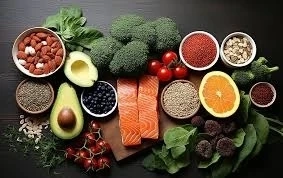
Healthy lungs are essential for every aspect of daily life, from breathing comfortably during physical activity to supporting the body’s immune system. What many people overlook, however, is the significant influence that diet has on lung strength, breathing efficiency, and respiratory resilience. Choosing the right foods can improve oxygen flow, reduce inflammation, and protect against breathing difficulties. Prioritizing nutrient-dense foods is one of the most effective ways to maintain long-term lung function and enhance Nutrition and Respiratory Health, making it easier to breathe deeply and live more actively.
The Link Between Diet and Lung Performance
The respiratory system requires consistent nourishment to maintain proper airflow and protect against environmental toxins. Just like any other organ, the lungs depend heavily on vitamins, minerals, and antioxidants to function efficiently.
How the Lungs Rely on Key Nutrients
Your lungs are made of delicate tissues that are constantly exposed to pollutants, allergens, and microorganisms. Certain nutrients help strengthen these tissues, enhance oxygen exchange, and maintain the elasticity of the airways. Foods rich in antioxidants and anti-inflammatory compounds can protect against cellular damage, improve breathing capacity, and support long-term lung vitality.
The Role of Inflammation in Respiratory Health
Chronic inflammation can restrict airflow and contribute to conditions such as asthma, bronchitis, or reduced lung capacity. Diets high in processed sugars, unhealthy fats, and artificial additives may worsen inflammation, while natural whole foods help the lungs remain open and resilient.
Essential Micronutrients for Strong Lungs
Micronutrients are especially crucial for supporting immune function, airway health, and lung cell regeneration.
Vitamin C and Immune Support
Vitamin C is a powerful antioxidant that protects lung tissues from oxidative stress caused by pollution and toxins. Citrus fruits, strawberries, and bell peppers help strengthen the immune system, making the respiratory system more resilient to infections.
Vitamin D for Reduced Inflammation
Vitamin D deficiency is linked to inflammation in the lungs and an increased risk of respiratory infections. Fatty fish, eggs, and fortified plant milks can help maintain healthy vitamin D levels, promoting better breathing and airway stability.
Vitamin A for Mucus Membrane Health
Vitamin A supports the integrity of the respiratory tract’s mucous membranes. Foods like carrots, leafy greens, and sweet potatoes help keep the airways moist and protected against irritants.
Foods That Enhance Lung Function
Certain whole foods are especially effective in strengthening the lungs, reducing inflammation, and improving oxygen efficiency.
Leafy Greens
Spinach, kale, arugula, and collard greens are rich in chlorophyll, which helps support oxygenation and lung cleansing. They also contain vitamin K and antioxidants that protect lung tissues.
Berries
Blueberries, raspberries, and blackberries are packed with polyphenols that reduce inflammation and oxidative stress, improving overall respiratory performance.
Fatty Fish for Omega 3s
Salmon, sardines, and mackerel provide omega-3 fatty acids known for their anti-inflammatory properties. People with asthma or breathing difficulties often benefit from omega-3s because they help open airways naturally.
Whole Grains for Respiratory Support
Whole grains are high in fiber and contain essential minerals that help reduce inflammation and support lung function.
Quinoa, Brown Rice, and Oats
These grains support stable energy levels and contain magnesium, a mineral that relaxes airway muscles. Magnesium deficiency is often associated with breathing difficulties, making whole grains an excellent addition to a lung-healthy diet.
Why Fiber Matters
High-fiber diets reduce inflammation and support a healthier gut microbiome. Since gut and lung health are closely linked, improving digestion can indirectly support Health and wellness by enhancing respiratory strength.
Lung Boosting Herbs and Spices
Herbs and spices contain powerful antioxidants and natural compounds that promote easier breathing and protect lung tissues.
Turmeric
Curcumin, the active compound in turmeric, reduces inflammation and supports the immune system. Adding turmeric to soups, teas, and stir-fries can help reduce airway swelling.
Ginger
Ginger improves circulation and relaxes the airways. Its anti inflammatory compounds help relieve congestion and promote deeper breathing.
Garlic
Garlic contains allicin, a compound known to fight infections and reduce inflammation in the lungs. Regular garlic consumption has been linked to improved lung performance and reduced risk of respiratory infections.
Hydration: A Critical Factor for Lung Health
Proper hydration is necessary to keep the airway lining moist, thin mucus, and support the natural clearing of toxins.
Water
Water keeps mucus loose and thin, allowing the respiratory system to remove irritants more efficiently. Dehydration can lead to thicker mucus and restricted airways, making breathing more difficult.
Hydrating Foods
Fruits and vegetables like watermelon, cucumbers, oranges, and apples contain high water content that supports lung cleansing and overall hydration.
Healthy Fats to Reduce Lung Inflammation
Healthy fats play a significant role in keeping inflammation under control and supporting lung tissue strength.
Nuts and Seeds
Walnuts, flaxseeds, chia seeds, and almonds are excellent sources of omega-3 and vitamin E. These nutrients reduce oxidative stress and help keep the lungs elastic.
Olive Oil
Olive oil contains monounsaturated fats that support heart health and reduce inflammation. Reducing inflammation in the body naturally supports better lung capacity and airflow.
Antioxidants That Protect Lung Cells
Your lungs face constant exposure to airborne toxins, pollutants, and irritants. Antioxidants neutralize harmful free radicals and protect lung tissues.
Green Tea
Green tea contains catechins, which help reduce inflammation and improve overall respiratory function. Drinking green tea regularly may support the body’s detoxification processes.
Apples
Apples are rich in quercetin, a flavonoid known to improve lung function and reduce inflammation. Regular apple consumption is linked to better long-term respiratory health.
Tomatoes
Tomatoes contain lycopene, an antioxidant that reduces airway inflammation and supports lung capacity, especially in individuals exposed to smoke or pollution.
Foods to Avoid for Better Breathing
Some foods can worsen inflammation, increase mucus production, or negatively affect lung performance.
Processed Meats
Hot dogs, bacon, and deli meats contain preservatives that may increase the risk of lung disease and airway irritation.
Dairy for Some Individuals
While dairy is healthy for many, some people experience increased mucus production after consuming milk or cheese. Monitoring your body’s response can help determine whether to reduce intake.
Sugary Foods
Excess sugar contributes to inflammation and weakens the immune system, making the lungs more susceptible to infections.
Lifestyle Habits That Support Healthy Lung Function
A lung-friendly diet is most effective when paired with supportive lifestyle practices.
Regular Exercise
Aerobic activities like walking, swimming, and cycling improve lung capacity. Exercise encourages deeper breathing and strengthens respiratory muscles.
Breathing Exercises
Practicing breathing techniques such as diaphragmatic breathing or pursed lip breathing helps increase oxygen intake and strengthens the diaphragm.
Avoiding Pollutants
Staying away from cigarette smoke, toxic fumes, and heavily polluted areas reduces strain on the lungs and prevents long-term damage.
Sample Meal Ideas for Lung Support
Here are easy, nutrient-rich meal ideas that promote respiratory strength:
Breakfast
- Oatmeal topped with berries and flaxseed
- Spinach and tomato omelette
- Greek yogurt with honey and sliced apples
Lunch
- Quinoa salad with leafy greens, garlic dressing, and grilled chicken
- Brown rice bowl with steamed broccoli and turmeric chickpeas
- Tuna salad with mixed vegetables and olive oil
Dinner
- Baked salmon with roasted sweet potatoes
- Ginger-vegetable stir-fry with tofu
- Turmeric chicken with sautéed kale and brown rice
Conclusion: Nourish Your Lungs for Lifelong Vitality
Keeping your lungs strong and efficient is not just about avoiding pollutants, it's also about fueling your body with the right nutrients. By incorporating antioxidant-rich fruits, leafy greens, whole grains, spices like turmeric and ginger, and omega 3 rich foods into your daily meals, you can protect your lungs and enhance long-term respiratory strength. A balanced, nourishing diet supports easier breathing, improved oxygenation, and greater resilience against illness. Combining thoughtful eating habits with supportive lifestyle choices empowers you to enjoy healthier lungs, stronger breathing, and a life full of energy and vitality.