




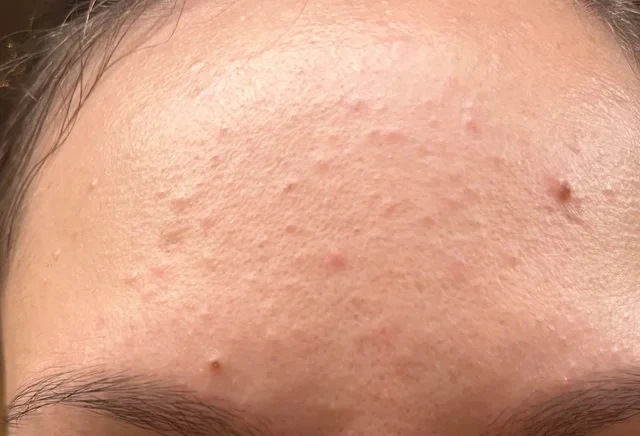
The oil cleansing method has gained popularity in recent years as a natural and effective way to cleanse the skin. Proponents of this method claim that it can remove impurities, balance the skin's natural oils, and improve overall complexion. However, for some individuals, including myself, the oil cleansing method turned out to be a disastrous skincare routine. In this article, I will share my personal experience and explain why the oil cleansing method ruined my skin.
The allure of the oil cleansing method
The oil cleansing method has gained popularity due to its natural approach and promises of radiant, healthy skin. The idea behind it is to use specific oils to cleanse the skin, replacing traditional facial cleansers that often contain harsh chemicals. Advocates of this method argue that it helps maintain the skin's moisture barrier, balance oil production, and prevent breakouts.
My personal experience with the oil cleansing method
My journey with the oil cleansing method began with high hopes for achieving clear and glowing skin. I diligently followed the recommended steps, which involved massaging a specific blend of oils onto my face and then steaming it to open up the pores. However, instead of the expected positive results, I experienced a series of unfortunate consequences.
1. Increased breakouts: Contrary to the promised benefits, my skin started breaking out more frequently and severely. The oils I used seemed to clog my pores, leading to an increase in blackheads and whiteheads.
2. Excessive oiliness: Rather than balancing my skin's natural oils, the oil cleansing method caused my face to become excessively oily. I found myself reaching for blotting papers throughout the day to manage the greasy appearance.
3. Dry patches: Paradoxically, while my skin was oily overall, certain areas developed dry patches. This inconsistency in moisture levels made it difficult to maintain a healthy complexion.
4. Irritation and sensitivity: The oils I used in the cleansing process triggered skin irritation and sensitivity. My face became red, itchy, and inflamed, leaving me uncomfortable and self-conscious.
The downsides of oil cleansing
While the oil cleansing method may work wonders for some individuals, it's essential to acknowledge its potential downsides. These include:
1. Skin type variability: Every individual has a unique skin type, and what works for one person may not work for another. The oil cleansing method does not provide a one-size-fits-all solution, and it's important to consider the specific needs of your skin.
2. Comedogenic oils: Certain oils commonly used in the oil cleansing method have a high comedogenic rating, meaning they have a tendency to clog pores and cause breakouts. This can be problematic for individuals with acne-prone or sensitive skin.
3. Incorrect oil ratios: Finding the right blend of oils for your skin can be a challenging task. Using the wrong ratios or combinations may lead to imbalances and exacerbate skin issues.
Factors to consider before trying the oil cleansing method
If you're contemplating trying the oil cleansing method, it's crucial to consider the following factors:
1. Skin type: Assess your skin type to determine whether it is compatible with the oil cleansing method. Oily and acne-prone skin may be more susceptible to negative reactions.
2. Patch testing: Before applying any oil cleanser to your entire face, perform a patch test on a small area of your skin to check for any adverse reactions or allergies.
3. Quality of oils: Ensure that you are using high-quality, organic oils suitable for skincare purposes. Low-quality oils may contain impurities or additives that can further irritate the skin.
Alternative skincare routines
If the oil cleansing method is not suitable for your skin or has caused adverse effects, there are alternative skincare routines to consider. These include:
1. Gentle foaming cleansers: Opt for a gentle foaming cleanser specifically formulated for your skin type. Look for products with non-comedogenic ingredients and avoid harsh sulfates or fragrances.
2. Micellar water: Micellar water is a gentle and effective option for removing makeup and impurities without stripping the skin of its natural oils. It is especially beneficial for those with sensitive or reactive skin.
3. Double cleansing: Double cleansing involves using an oil-based cleanser followed by a water-based cleanser. This method helps remove makeup and impurities effectively while maintaining the skin's balance.
Seeking professional advice
If you've experienced negative outcomes from the oil cleansing method or are unsure about the right skincare routine for your skin, it's advisable to seek professional advice. Dermatologists or estheticians can provide personalized recommendations based on your specific skin type and concerns.
Conclusion
The oil cleansing method may have its benefits for some individuals, but it certainly isn't a one-size-fits-all solution. My personal experience with this skincare routine left my skin worse off than before, with increased breakouts, excessive oiliness, dry patches, and irritation. It is essential to consider your unique skin type, perform patch tests, and evaluate the quality of oils before embarking on the oil cleansing method. If it doesn't work for you, alternative skincare routines and professional guidance are available to help you achieve healthy and radiant skin.