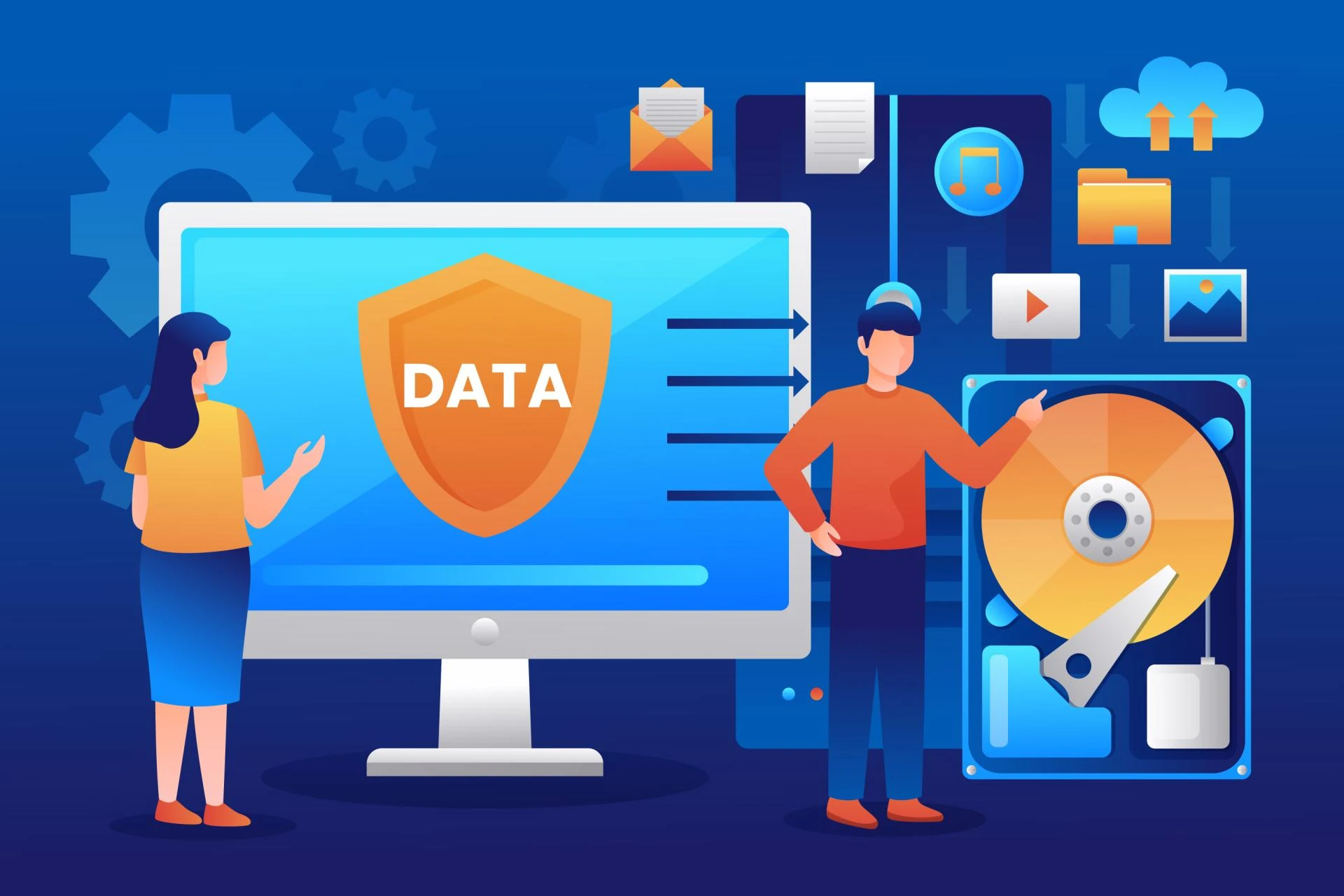

As enterprises expand their digital footprint, the volume and complexity of data continue to grow. Data lakes have become essential for storing, processing, and analyzing diverse datasets at scale. However, without proper planning, organizations can face spiraling costs and performance bottlenecks that undermine the promise of agility. CIOs and IT leaders must strike a balance between efficiency and scalability when managing enterprise data lakes. Modern platforms such as the Solix Data Lake Solution are designed to optimize both performance and cost, making them vital for organizations seeking long-term value from their data infrastructure.
Understanding the Cost Drivers of Data Lakes
Several factors influence the total cost of ownership for a data lake. Managing these effectively is critical to keeping operations sustainable.
- Storage Expenses
- Raw and processed data may be stored across multiple tiers. While cloud storage is relatively inexpensive, poor lifecycle management can cause costs to accumulate.
- Data Movement and Ingestion
- High-volume ingestion pipelines, especially with real-time streaming, can consume significant bandwidth and processing resources.
- Compute Resources
- Query engines, machine learning workloads, and transformation jobs drive compute costs, which can escalate if not properly optimized.
- Data Transformation and ETL
- Large-scale cleansing and transformation pipelines often add hidden costs when run inefficiently.
- Redundancy and Replication
- Multiple copies of datasets can inflate storage bills if organizations lack governance over duplication.
Key Performance Challenges in Data Lakes
Enterprises may also struggle with performance issues that reduce the effectiveness of their data lake investments.
- Slow Query Response Times
- As data grows, poorly structured storage or lack of indexing can lead to significant latency.
- Inefficient Partitioning
- Without proper partitioning strategies, queries may scan entire datasets unnecessarily, increasing processing time.
- Scalability Bottlenecks
- Some architectures cannot keep pace with sudden spikes in demand, impacting analytics and reporting.
- Data Quality Issues
- Inconsistent or duplicated data can degrade performance, as queries and analytics must process redundant records.
Best Practices to Optimize Cost and Performance
- Adopt Tiered Storage Strategies
- Separate frequently accessed data (hot) from less-used data (cold). Move archival data into lower-cost tiers without sacrificing compliance.
- Use Efficient File Formats
- Implement columnar formats like Parquet or ORC, which reduce storage size and accelerate analytics.
- Partition and Index Data Properly
- Organize data to minimize scanning overhead. Partitioning by time, region, or business unit can dramatically improve query performance.
- Leverage Elastic Compute Resources
- Cloud-native compute scaling ensures that resources match workload demand, preventing unnecessary expenses.
- Automate Data Lifecycle Management
- Implement policies for data retention, archiving, and deletion. This reduces storage bloat and enforces compliance.
- Monitor and Optimize Pipelines
- Regularly audit ingestion and ETL workflows to eliminate redundant processes and streamline transformations.
How the Solix Data Lake Solution Helps
The Solix Data Lake Solution provides built-in features that simplify cost and performance optimization. Key capabilities include:
- Separation of Compute and Storage
- Organizations can scale compute independently from storage, reducing unnecessary expenses.
- Intelligent Data Tiering
- Automated movement of data between hot, warm, and cold storage ensures the right balance of cost and accessibility.
- Optimized Query Engines
- Solix supports modern query frameworks that accelerate performance for large-scale analytics.
- Comprehensive Data Governance
- Built-in lifecycle management, metadata cataloging, and governance tools minimize redundancy and waste.
- Cloud-Native Architecture
- Designed to integrate seamlessly with multi-cloud environments, Solix enables flexibility and cost control across platforms.
Real-World Applications
- Retail Demand Forecasting
- Retailers analyzing point-of-sale and online transaction data can optimize queries for seasonal forecasting while archiving historical records in low-cost tiers.
- Financial Services
- Banks dealing with regulatory reporting and real-time fraud detection require both fast query responses and efficient compliance storage.
- Healthcare Analytics
- Hospitals analyzing electronic health records can store active patient data in hot tiers while archiving historical data for compliance.
Conclusion
Managing cost and performance is one of the biggest challenges enterprises face when scaling data lakes. By implementing tiered storage, efficient formats, lifecycle automation, and optimized compute strategies, organizations can maximize return on investment. Platforms such as the Solix Data Lake Solution provide the governance, scalability, and optimization features needed to balance innovation with cost efficiency. For CIOs and IT leaders, adopting a strategic approach to cost and performance ensures that data lakes remain an asset rather than a burden.


























Sign in to leave a comment.