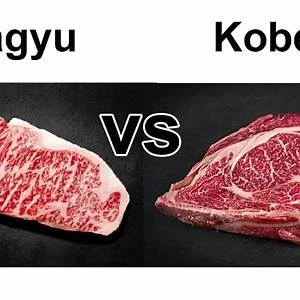
The origin of Wagyu beef traces back to ancient Japan, where it was developed over centuries with the purpose of producing cattle that could help with labor, specifically in farming and transportation. However, over time, these cattle were selectively bred for their ability to produce meat that was both flavorful and tender, leading to the creation of what we know today as Wagyu beef.
Key Points on the Origin of Wagyu Beef:
- Ancient Roots (Around 2000 BCE):
- The early ancestors of modern Wagyu cattle were brought to Japan from the Korean Peninsula and China. These early cattle were used as draft animals, assisting in agricultural labor such as plowing fields and transporting goods.
- Selective Breeding (Up to the 17th Century):
- Over the centuries, Japanese farmers and breeders began selectively breeding the cattle to improve their meat quality, focusing on traits that would enhance the tenderness and fat marbling of the beef. It was during this period that the cattle's muscle structure and fat distribution began to change, leading to the rich marbling that Wagyu is known for today.
- The Role of Isolation:
- Japan's geographical isolation played a significant role in the development of Wagyu beef. The limited contact with other breeds allowed for the development of cattle with unique characteristics suited to Japan's climate and landscape. The region-specific breeding also contributed to distinct differences in the flavor and quality of Wagyu depending on where it was raised.
- Modern Developments (19th Century to Present):
- The true transformation of Wagyu into the high-quality beef it is today took place in the late 19th century during the Meiji Restoration when Japan began modernizing and adopting more Western agricultural practices. As a result, foreign cattle were introduced to Japan to enhance the breed, notably European breeds like the Aberdeen Angus. This crossbreeding aimed at improving muscle mass but didn't reduce the rich marbling of the beef. Over time, Japanese breeders continued to refine the breed to enhance the meat’s marbling, texture, and flavor.
- The Development of the Wagyu Grades:
- In the 20th century, Japan developed a grading system for Wagyu beef, which continues to this day. This grading system evaluates two aspects of the beef:
- Yield grade (A, B, C based on usable meat)
- Quality grade (1–5, based on marbling, color, texture, and firmness)
- The highest grade, A5, is the ultimate indicator of Wagyu’s top-tier quality.
- Spread Beyond Japan:
- In recent decades, the production of Wagyu beef has expanded beyond Japan. Australia, the United States, and other countries now produce Wagyu beef, though true Japanese Wagyu is still regarded as the highest quality. The key difference lies in the traditional methods used in Japan, including specific diets and care regimens that influence the final product.
Is Kobe Beef Better Than Wagyu?
The question of whether Kobe beef is better than Wagyu beef often sparks debate among food enthusiasts and chefs alike. While Kobe beef is a specific subset of Wagyu beef, it is often considered the more luxurious and rare option due to its strict production standards and unique flavor profile.
Kobe beef must come from Tajima-gyu cattle raised in Japan's Hyogo Prefecture, and only a small percentage of Wagyu cattle meet these criteria. As a result, Kobe beef tends to be more expensive and harder to find. However, the distinction doesn't necessarily make it "better" for everyone.
Wagyu beef, which includes many varieties raised across Japan and abroad, offers a wider range of options, often at more accessible price points. The decision between Kobe and Wagyu depends largely on personal preference, with Kobe beef offering a more delicate, buttery taste, while Wagyu beef tends to have a bolder, beefier flavor. Both offer a remarkable dining experience, but Kobe is generally considered the pinnacle of luxury in the Wagyu family.
Conclusion:
Wagyu beef’s origin is rooted in ancient Japan, where cattle were originally bred for labor. Over time, through careful selective breeding and geographic isolation, the beef evolved into one of the most coveted delicacies in the world. Today, Wagyu remains synonymous with quality and luxury, and its rich marbling continues to be a testament to centuries of refined breeding practices.

























Sign in to leave a comment.