




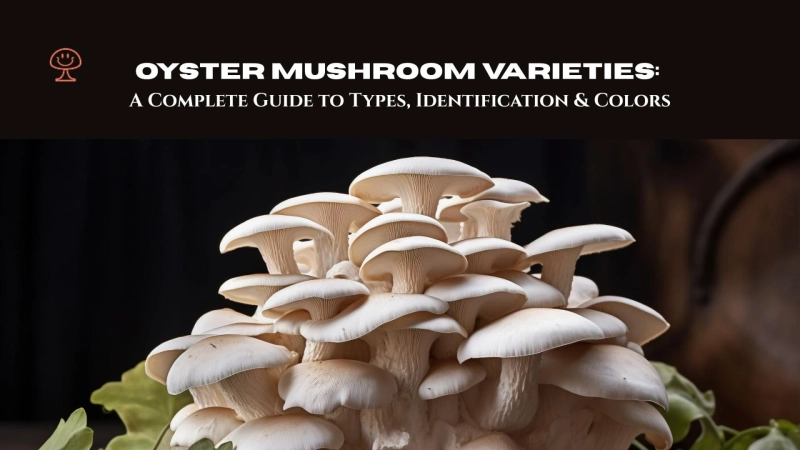
Oyster mushrooms are among the most cultivated and consumed edible mushrooms in the world—and for good reason. They're fast-growing, versatile in cooking, and offer an amazing variety of colors and textures. But did you know there are several different oyster mushroom varieties, each with its own appearance, flavor, and growing behavior?
Whether you're a hobby cultivator, an adventurous cook, or a curious forager, understanding the types of oyster mushroom will take your knowledge—and your meals—to the next level. In this detailed guide, we’ll dive deep into the different oyster mushroom varieties, how to grow or forage them, and tips for correctly identifying oyster mushrooms. You’ll also find useful info on how oyster mushrooms images can help with proper ID and what sets varieties like the phoenix oyster mushroom or pink oyster mushrooms apart from others.
By the end of this blog, you’ll not only recognize various oyster mushroom varieties, but you’ll also know how to identify and enjoy them safely.
What Are Oyster Mushroom Varieties?
The term oyster mushroom varieties refers to the different species within the Pleurotus genus. While they all share a similar fan or oyster-shaped cap, these mushrooms differ in color, texture, growing climate, and culinary use. The most popular species include the Pearl Oyster (Pleurotus ostreatus), Phoenix Oyster (Pleurotus pulmonarius), Pink Oyster (Pleurotus djamor), Blue Oyster (Pleurotus columbinus), and Brown Oyster (Pleurotus cystidiosus or wild variants).
Each of these types of oyster mushroom offers something unique. Some grow best in cooler environments, while others thrive in tropical heat. Some are delicate and quick to spoil, while others can be dried or stored for longer periods. Understanding these differences will help you pick the right oyster mushroom for your growing setup, cooking style, or foraging plans.
Identifying Oyster Mushrooms: The Basics
Correctly identifying oyster mushrooms is key, especially if you’re foraging in the wild. These mushrooms are generally easy to spot due to their broad, fan-shaped caps and decurrent gills (meaning the gills run down the stem). They often grow in clusters on decaying hardwood logs, stumps, or standing trees.
The caps can range from white and gray to pink, blue, and even brown, depending on the oyster mushroom variety. The stem is usually short or nearly absent, and the flesh is soft, sometimes with a slightly fishy or anise-like smell.
Oyster mushrooms identification should always involve multiple factors—cap shape, gill attachment, color, habitat, and smell. Using detailed oyster mushrooms images as references will increase your accuracy, especially when distinguishing edible mushrooms from inedible look-alikes like the Omphalotus (Jack-o’-lantern) or Clitocybe species.
Types of Oyster Mushroom and Their Features
Let’s take a closer look at the most common and culinary-loved oyster mushroom varieties:
Pearl Oyster (Pleurotus ostreatus)
The most widely cultivated variety, Pearl Oysters have a pale, off-white cap with a smooth surface. They grow best in cool climates and have a mild, savory flavor that works in soups, stir-fries, and sautés.
Pink Oyster Mushroom (Pleurotus djamor)
One of the most eye-catching oyster mushroom varieties, the oyster mushrooms pink variety is known for its vibrant pink hue and meatier texture. It’s excellent in Asian-inspired dishes but has a shorter shelf life, so it’s best enjoyed fresh.
Phoenix Oyster (Pleurotus pulmonarius)
Similar in shape to Pearl but with a paler, sometimes almost tan cap, the phoenix oyster mushroom grows in warmer temperatures and is often favored by indoor growers in summer. It’s fast-growing and offers a tender, mild taste.
Blue Oyster Mushroom (Pleurotus columbinus)
This variety begins with a rich blue hue that fades to gray as it matures. Blue Oysters thrive in cooler environments and have a firm, chewy texture that’s perfect for grilling or roasting.
Brown Oyster Mushroom
Often found in the wild, brown oyster mushrooms are slightly thicker in cap and stem. They have a rich, earthy flavor and tend to hold up well in hearty dishes like stews or baked meals.
Oyster Mushrooms Images: A Visual Forager's Best Friend
Visual identification plays a huge role when foraging or differentiating between oyster mushroom varieties. Relying solely on color or cap shape isn’t always enough, especially with environmental changes that can alter appearance.
That’s why having access to clear, high-resolution oyster mushrooms images is crucial. Compare mushrooms in hand with reference photos that show cap structure, gills, growth clusters, and spore print (which is usually white to lilac-gray in oyster mushrooms). This is one of the most trusted techniques when it comes to oyster mushrooms identification.
Why Knowing Oyster Mushroom Varieties Matters
Understanding the different types of oyster mushroom helps you:
- Choose the right variety for your climate if you're growing at home
- Cook with mushrooms that offer the texture and taste you prefer
- Forage safely and avoid poisonous look-alikes
- Identify unique varieties like pink oyster mushrooms or brown oyster mushrooms in the wild
- Increase your chances of cultivating high-yield and flavor-rich mushrooms
Whether you’re looking to grow, cook, or collect oyster mushrooms, knowledge of these varieties is key to having a successful experience.
Ready to Grow or Forage Oyster Mushrooms?
Join the mushroom-loving community at The Shroom Groove—your ultimate destination for everything fungi. From expert growing kits and spore cultures to seasonal mushroom guides, foraging tips, and product reviews, we've got all you need to dive deep into the world of oyster mushrooms.
Start your mushroom journey with us today. Learn, grow, and groove with The Shroom Groove!
Final Thoughts on Oyster Mushroom Varieties
The variety within the Pleurotus genus is a beautiful example of how diverse—and delicious—nature can be. With vibrant colors like pink, rich brown shades, and subtle flavor differences, these oyster mushroom varieties offer something for everyone.
Remember: always verify what you find, study oyster mushrooms images, and keep learning. And if you're looking for trusted advice, supplies, or just cool mushroom gear—The Shroom Groove has your back.