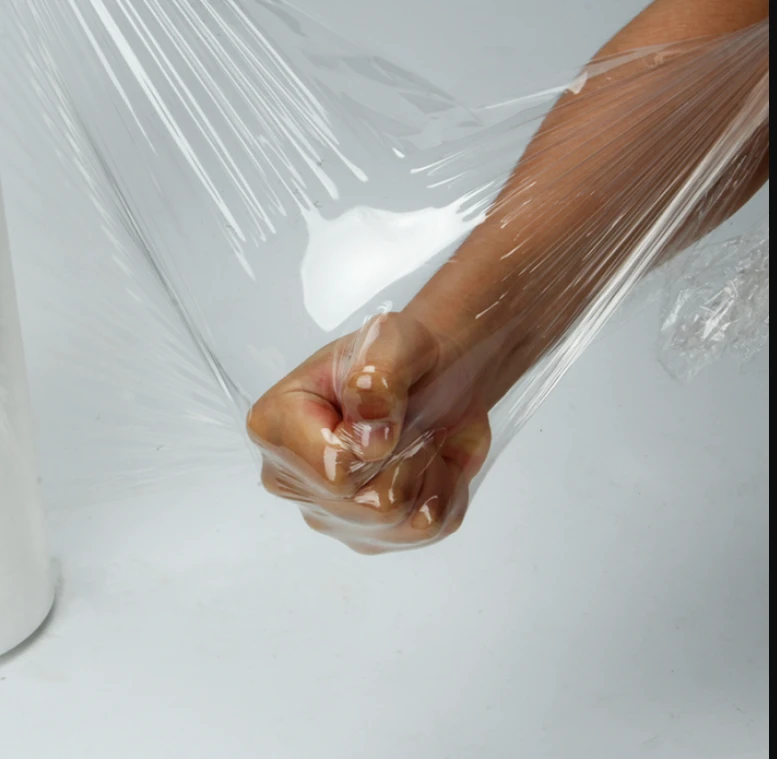
In the world of shipping, logistics, warehousing, and general storage, pallet wrap stretch film plays a deceptively simple but absolutely vital role in keeping goods safe, stable, and ready for transport. Often referred to simply as stretch film or stretch wrap, this material is mainly made from linear low-density polyethylene (LLDPE) and is designed to cling tightly to itself and the load it covers — forming a protective, stabilizing embrace around pallets of products, boxes, and other bundled items.
What Makes Stretch Film Essential?
At its core, pallet wrap stretch film transforms a stack of individual boxes into one cohesive unit. Without it, goods on a pallet can shift, topple, or separate during transit, leading to damage, loss, or even injury when items fall during handling. The elastic nature of stretch film means it doesn’t need heat to shrink into place; instead, its elasticity and cling do the work. That’s why stretch film is different from shrink wrap — it secures loads through tension, not heat.
One excellent example found in the Philippines market is FlexiWrap by Fabrimetrics Philippines Inc. (FabPhils), a high-quality stretch film made from 100 % pure virgin LLDPE and subject to on-site material inspection to ensure consistent performance. FlexiWrap is supplied in standard rolls — 500 mm wide and 300 m long with a 20-micron thickness and about 3 kg per roll — balancing strength with ease of use.
How Pallet Wrap Stretch Film Works
When you wrap stretch film around a pallet, the material stretches and clings tightly, locking the packaged items together. This tight grip minimizes movement inside the bundle, protecting goods from:
- Shifting and toppling in transit
- Impact damage during handling
- Dust, dirt, and moisture exposure
- Tampering or theft attempts during storage or shipping
This means a pallet that might otherwise bulge, sag, or spill its contents becomes a unified, resilient load that’s significantly safer to move.
Features of Quality Pallet Wrap Stretch Film
Not all stretch films perform the same. Materials and production quality influence how well a film can stabilize a load and resist punctures. Here are some features buyers should understand:
1. Material Quality and Cling:
Films made from virgin LLDPE, like FabPhils’ FlexiWrap, tend to cling better and offer more reliable tension without breaking early. That cling is what binds all layers of film together securely around the load.
2. Roll Dimensions:
The typical 500 mm x 300 m roll size suits most standard pallet wrapping tasks, balancing coverage with ease of handling. Longer rolls mean fewer roll changes and can reduce downtime in busy operations.
3. Film Thickness (Microns):
Thickness affects strength and puncture resistance. A 20-micron film is a common choice that offers good flexibility and performance for many loads, although thicker films are available for heavier, sharper, or irregular cargo.
4. Waste Reduction:
Quality films are designed with more usable film and less core waste, giving you more coverage per roll and less material to dispose of — both cost-effective and eco-friendlier.
Where Pallet Wrap Stretch Film Shines
This type of wrap finds use in almost every industry where packaged goods are handled:
- Warehousing and distribution centers: To stabilize pallets for stacking and storage
- Manufacturing operations: To bundle finished products for delivery
- Retail and e-commerce: To secure shipments before dispatch
- Food and beverage: To protect crates and produce from contamination and moisture
- Pharmaceuticals: To safeguard sensitive items against environmental exposure
Stretch film doesn’t just hold things in place; it provides a protective “skin” that keeps out dust, limits moisture exposure, and helps preserve product integrity until it reaches its destination.
Hand vs. Machine Application
There are two common ways to apply pallet wrap stretch film:
- Hand Application: This is manual wrapping using hand rolls or dispensers. It’s ideal for small-to-medium operations or irregular loads where manual control matters most. FlexiWrap and similar films are designed to be easy to stretch and stick, even by hand.
- Machine Application: In high-volume warehouses or factories, automatic or semi-automatic wrapping machines apply film with consistent tension and speed, ensuring uniform coverage and reducing labor time. Machine film often needs slightly different properties, such as pre-stretching capability.
Choosing the right application method comes down to your throughput and the consistency you need. A machine system cuts labor time and improves regularity, while hand wrapping offers flexibility for odd shapes or smaller batches.
Choosing the Right Film
Selecting the best pallet wrap for your needs depends on several factors:
- Load weight and shape: Heavier or irregular loads often benefit from thicker, higher-strength films.
- Wrapping method: Hand rolls or machine-ready films match your wrapping process.
- Environmental conditions: If pallets are stored outdoors or in bright sunlight, consider UV-resistant film variants.
- Security needs: Opaque or colored films can deter theft and conceal contents when needed.
- Waste management: Look for films designed to stretch further with less waste or features that reduce core thickness.
Even the way you wrap matters — overlapping layers by about 50 % and working from the base upward improves stability. Consistent tension prevents gaps and reduces the chance of film loosening over time.
Sustainability and Recycling
Although stretch films are derived from plastic, many are recyclable when collected and processed properly. Films from virgin LLDPE like Flexi Wrap typically offer better clarity and recyclability compared to lower-grade alternatives. Good recycling practices reduce landfill waste and help companies meet sustainability goals.
Bottom Line: Protection, Efficiency, Value
In essence, pallet wrap stretch film is more than plastic on a roll. It’s a tool that:
- Protects goods from damage and contamination during storage and transport
- Secures loads to prevent shifting, tipping, or collapse
- Improves warehouse efficiency and logistics flow
- Reduces total packaging waste when high-quality films are used
By choosing a reputable product like Flexi Wrap by Fabri metrics Philippines Inc., you get a film that’s manufactured with quality in mind — offering strong stretch, dependable cling, and more usable film per roll, which translates to better value and lower operational costs over time.
Whether you’re securing a few pallets a week or thousands a day, understanding how stretch film works and what to look for helps you make smarter decisions. Quality pallet wrap not only stabilizes your goods — it strengthens your entire packaging process from warehouse to delivery
























Sign in to leave a comment.