

Private knee replacement surgery offers an alternative to the often lengthy wait times experienced in the public healthcare system. It allows patients quicker access to a procedure that can relieve chronic knee pain and restore mobility by replacing damaged joint surfaces with artificial components.
This option is especially valuable for those seeking to avoid delays and reduce discomfort while waiting for surgery under the public system. Private clinics in Canada provide this service with varying costs and timelines, making it important for prospective patients to understand their choices.
The procedure itself is designed to replace worn cartilage that causes pain and stiffness, improving daily function with a high success rate. As demand grows, more private providers are expanding access to knee replacement surgery, especially in provinces like Ontario and Quebec.
Private Knee Replacement Surgery Overview
Private knee replacement surgery offers an alternative to public healthcare, often providing faster access and more personalized care. It involves different surgical techniques and specific eligibility requirements. Understanding these factors helps patients make informed decisions about their treatment options.
What Is Private Knee Replacement Surgery?
Private knee replacement surgery is a medical procedure performed outside the public healthcare system, typically in accredited private clinics or hospitals. It involves replacing damaged knee joint surfaces with artificial implants to relieve pain and restore function.
Unlike public surgery, private options usually have shorter wait times, allowing patients to receive treatment more promptly. These surgeries can include total or partial knee replacements, depending on the extent of joint damage.
The procedure is commonly chosen by patients with osteoarthritis, rheumatoid arthritis, or injury-induced joint problems that have not responded well to conservative treatments.
Eligibility Criteria for Surgery
Candidates for private knee replacement surgery generally undergo a thorough evaluation to confirm that surgery is appropriate. Criteria include:
- Severe knee pain or stiffness limiting daily activities
- Radiographic evidence of joint deterioration
- Failure of non-surgical treatments like physical therapy or medications
- Overall good health to tolerate anesthesia and surgery
Age alone is not a disqualifying factor; rather, physical condition and potential benefits are assessed. Some private providers may require a referral from a specialist or general practitioner to initiate the process.
Types of Knee Replacement Procedures
There are primarily two types of knee replacement surgeries offered privately:
| Procedure Type | Description | Typical Use Cases |
|---|---|---|
| Total Knee Replacement | Replacement of all knee joint parts | Severe, widespread joint damage |
| Partial Knee Replacement | Only the damaged portion is replaced | Localized joint damage |
Some private clinics also use advanced techniques like robotic-assisted surgery for precision. This can improve implant placement and reduce recovery time.
The surgical approach and implant choice depend on the patient’s anatomy, damage extent, and surgeon’s recommendation.
Benefits of Choosing Private Surgery
Choosing private knee replacement surgery offers several advantages:
- Reduced wait times: Faster scheduling compared to public healthcare
- Personalized care: More one-on-one time with surgeons and staff
- Access to advanced technology: Use of robotic assistance and minimally invasive methods
- Flexible scheduling: Patients can select convenient appointment times
- Comfort: Often better amenities in private clinics
Patients may also experience streamlined preoperative assessments and follow-ups, which can enhance the overall treatment experience. However, cost and insurance coverage should be carefully considered when opting for private care.
Patient Journey and Recovery
The process of private knee replacement surgery involves specific steps that ensure patient readiness, successful operation, and effective recovery. Careful preparation and follow-up are crucial for regaining mobility and minimizing complications.
Consultation and Preoperative Assessment
The patient’s journey begins with a detailed consultation where the surgeon evaluates symptoms, reviews medical history, and discusses expectations. Imaging tests like X-rays or MRIs are conducted to assess joint damage and confirm the need for surgery.
Prior to surgery, a thorough preoperative assessment includes blood tests, heart function checks, and discussions about medications. This step identifies any health risks and prepares the patient physically and mentally. Patients receive guidance on weight management, exercise, and stopping certain medications to optimize surgical outcomes.
The Surgical Process
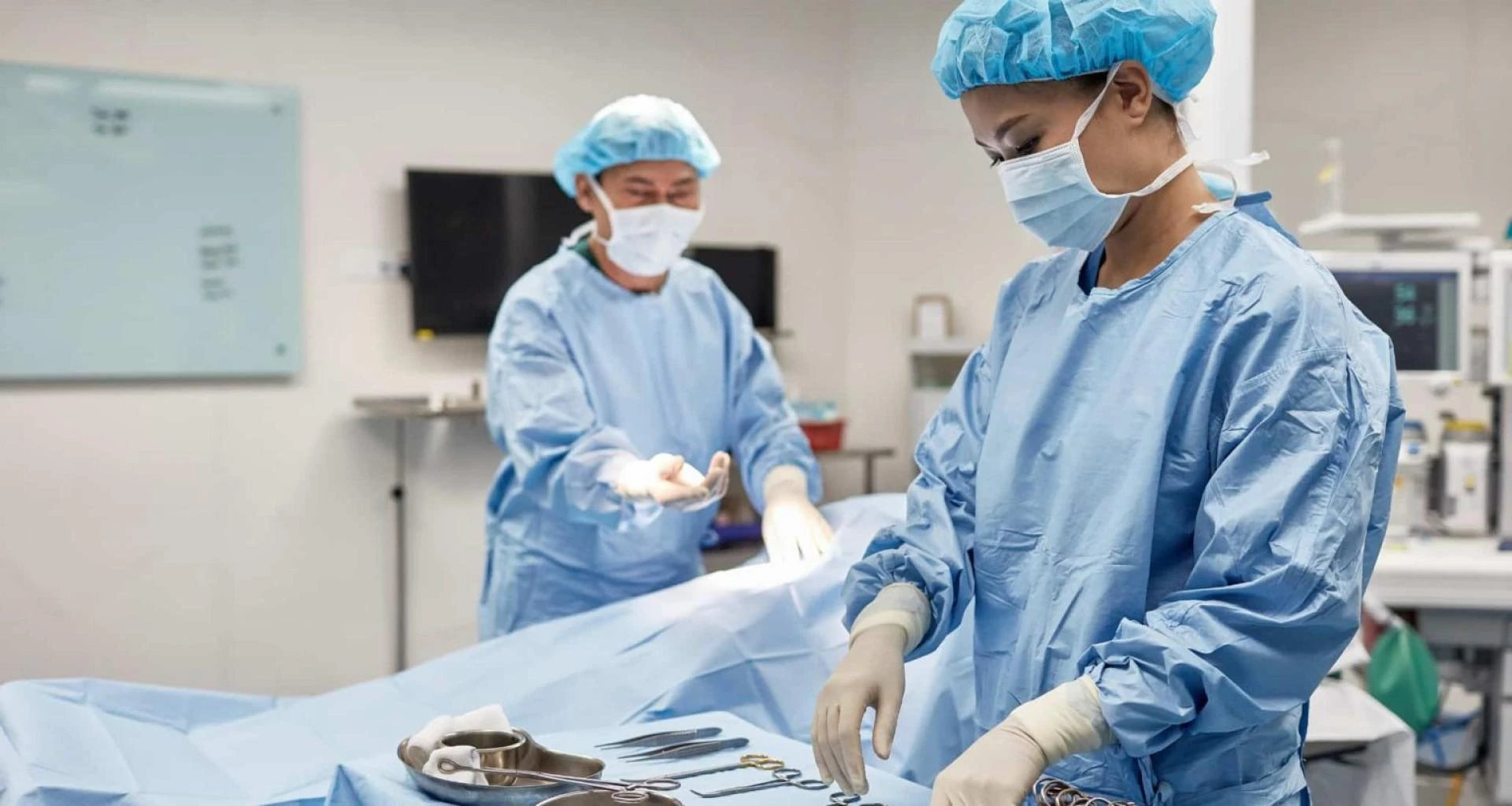
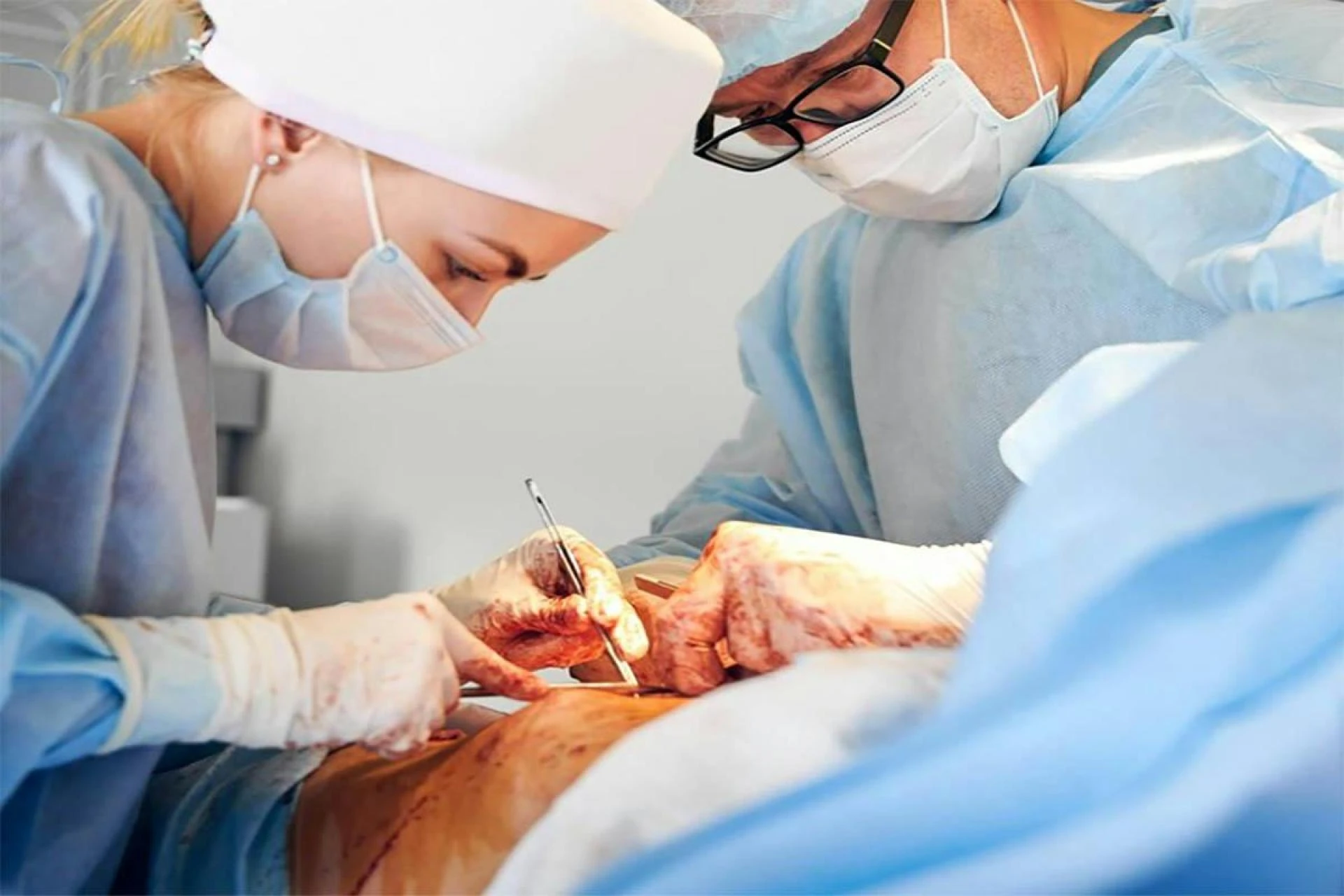
The surgery typically lasts 1-2 hours and involves removing damaged cartilage and bone from the knee joint. A prosthetic implant made from metal or plastic replaces the worn joint surfaces to restore function. General or spinal anesthesia is administered to ensure the patient’s comfort.
Surgeons use precise techniques to align the new joint properly, which is critical for long-term success. The operation takes place in a sterile environment with specialized equipment. Minimally invasive approaches may be an option, reducing tissue damage and promoting faster recovery.
Hospital Stay and Immediate Aftercare
Post-surgery, patients usually stay in the hospital for 1-3 days. Pain management starts immediately with medications administered orally or via IV. Nurses and physiotherapists assist with early mobilization, encouraging gentle movement within 24 hours of surgery.
During this phase, swelling and discomfort are managed, and patients learn basic exercises to aid circulation and prevent stiffness. The care team monitors for complications like infection or blood clots. Discharge plans include instructions on wound care, pain control, and gradually increasing activity levels.
Long-Term Rehabilitation and Results
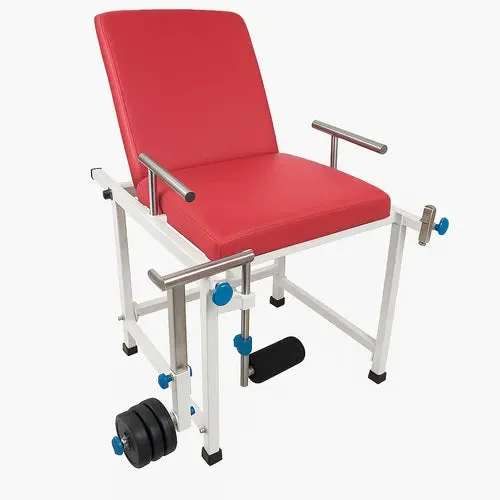
Recovery extends over several weeks to months and revolves around a structured physiotherapy program. This includes range-of-motion exercises, strength training, and functional activities designed to restore knee mobility and stability.
Most patients regain the ability to walk unaided within 6 weeks. However, returning to higher levels of activity might take 3-6 months. Commitment to rehabilitation and following medical advice directly influence long-term outcomes. Regular follow-ups ensure the knee replacement functions well and address any concerns promptly.
| Recovery Phase | Typical Duration | Key Activities |
|---|---|---|
| Early Mobilization | 1-3 days | Pain management, walking with aid |
| Outpatient Rehabilitation | 6-12 weeks | Physical therapy, strength building |
| Full Functional Recovery | 3-6 months | Normal activity levels, joint stability |



























Sign in to leave a comment.