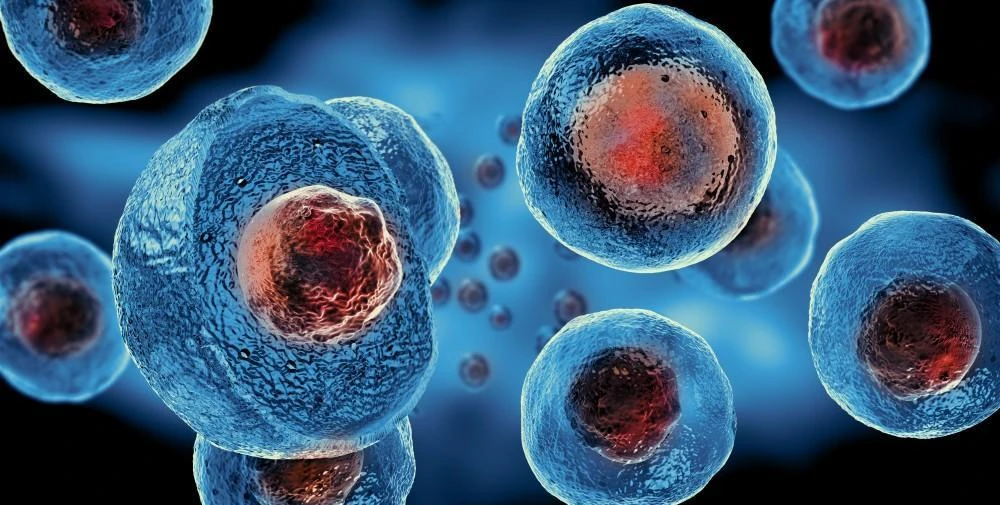

The field of medicine is on the cusp of a paradigm shift, moving from simply managing symptoms to actively repairing and regenerating damaged tissues. This new frontier is known as regenerative medicine, and at its very heart lies the remarkable potential of stem cells. These unique cells are the body's natural building blocks, holding the key to healing injuries, combating degenerative diseases, and potentially reversing conditions once thought to be permanent. In this article, we will delve deep into the science behind regenerative medicine, explore the different types of stem cells, and examine the groundbreaking potential of stem cell therapy as a cornerstone of this medical revolution.
What is Regenerative Medicine?
Regenerative medicine is an interdisciplinary field that aims to restore the structure and function of damaged tissues and organs. Unlike traditional approaches that focus on treating symptoms with medications or surgery, regenerative strategies seek to create living, functional tissues to repair or replace those lost to age, disease, or trauma. The core tools of regenerative medicine include:
- Stem Cells: The primary agents of repair.
- Biomaterials: Scaffolds that support tissue growth.
- Growth Factors: Signaling molecules that guide cellular behavior.
The ultimate goal is to harness the body's innate healing mechanisms and amplify them, leading to more effective and long-lasting treatments.
Understanding Stem Cells: The Body's Master Cells
To appreciate the potential of regenerative medicine, one must first understand stem cells. Often called "master cells" or "progenitor cells," stem cells possess two unique properties that set them apart from other cells in the body.
1. Self-Renewal
Stem cells can divide and create copies of themselves over extended periods. This ability ensures a steady supply of cells for growth and repair throughout a person's life.
2. Differentiation
Stem cells are undifferentiated, meaning they are not yet specialized. Under the right conditions, they can differentiate into specialized cells with specific functions, such as muscle cells, nerve cells, cartilage, or bone cells.
Types of Stem Cells Used in Therapy
There are several types of stem cells, each with different characteristics and applications in regenerative medicine.
- Embryonic Stem Cells (ESCs): These are pluripotent cells derived from early-stage embryos. They have the potential to become any cell type in the body. While they hold immense research value, their use is ethically debated and heavily regulated.
- Adult Stem Cells (Somatic Stem Cells): These are multipotent cells found in various tissues throughout the body, such as bone marrow, adipose (fat) tissue, and blood. Their role is to maintain and repair the tissue in which they reside. For example, hematopoietic stem cells in bone marrow give rise to all types of blood cells.
- Induced Pluripotent Stem Cells (iPSCs): These are adult cells (like skin cells) that have been genetically reprogrammed in a lab to revert to an embryonic-like pluripotent state. This breakthrough technology allows for the creation of patient-specific stem cells without the ethical concerns of ESCs, though it is still primarily used in research.
For clinical applications today, the most commonly used types are adult stem cells, particularly mesenchymal stem cells (MSCs) derived from bone marrow and adipose tissue.
The Mechanism: How Does Stem Cell Therapy Work?
Stem cell therapy involves harvesting, processing, and administering stem cells to promote the repair of damaged tissue. The process typically follows these steps:
- Harvesting: Stem cells are collected from a patient's own (autologous) body, usually from bone marrow (via aspiration) or adipose tissue (via liposuction). In some cases, cells from a donor (allogeneic) may be used.
- Processing: The harvested tissue is processed in a laboratory to isolate and concentrate the stem cells. This creates a potent injectable solution.
- Administration: The concentrated stem cells are precisely injected into the injured or diseased area, such as a damaged joint, torn tendon, or directly into the bloodstream.
Once administered, the stem cells get to work through several mechanisms:
- Differentiation: They can develop into the specific cell types needed for repair (e.g., becoming new cartilage cells in an osteoarthritic joint).
- Paracrine Signaling: They release bioactive molecules (cytokines and growth factors) that reduce inflammation, protect existing cells from dying, and recruit other cells to the site to aid in healing.
- Immunomodulation: MSCs have the ability to modulate the immune system, which is particularly beneficial in treating autoimmune diseases.
Current Applications and Conditions Treated
The applications of stem cell therapy are vast and continually expanding. Some of the most promising and common uses include:
Orthopedic Injuries and Arthritis
One of the most established applications is in orthopedics. Stem cell injections are used to treat osteoarthritis of the knee, hip, and shoulder, as well as tendon injuries like rotator cuff tears and tennis elbow. The goal is to reduce pain, improve function, and delay or avoid the need for joint replacement surgery.
Sports Medicine
Athletes with stubborn soft tissue injuries (ligaments, tendons, muscles) are turning to stem cell therapy for a potential recovery. By promoting true tissue regeneration rather than scar tissue formation, it offers the promise of a stronger, more complete recovery.
Neurological Conditions
Research is actively exploring the use of stem cells for conditions like Parkinson's disease, Alzheimer's disease, and spinal cord injuries. The aim is to replace lost neurons and restore neural connections, though this area is still largely in clinical trials.
Autoimmune and Degenerative Diseases
The immunomodulatory properties of MSCs are being investigated for diseases like Multiple Sclerosis, Crohn's disease, and Lupus, where the therapy could help regulate the faulty immune response attacking the body's own tissues.
The Importance of Choosing a Reputable Clinic
As the field grows, so does the number of clinics offering these treatments. It is crucial for patients to seek out reputable, experienced medical professionals. A reputable clinic, like the experts at American Stem Cell Health, prioritizes patient safety, adheres to strict ethical guidelines, and uses scientifically-backed protocols. They ensure that patients are suitable candidates for therapy and provide realistic expectations about potential outcomes.
The Future is regenerative medicine
The journey of regenerative medicine is just beginning. While challenges remain, including standardizing protocols and ensuring long-term efficacy, the potential is undeniable. Stem cell therapy represents a fundamental shift towards healing the body from within. As research progresses, we can expect these therapies to become more refined, accessible, and powerful, truly revolutionizing how we treat disease and injury for generations to come. By focusing on repair and regeneration, we are not just treating sickness; we are actively restoring health.
























Sign in to leave a comment.