

The solar industry is undergoing a remarkable transformation, driven by a global push for renewable energy sources. Central to this evolution is the constant innovation in solar PV design. As we look toward 2025, several key trends are set to redefine how we harness the sun's power, making systems more efficient, integrated, and accessible than ever before. These advancements are not just incremental; they are revolutionizing the entire energy landscape.
Smarter Design Through Advanced Software
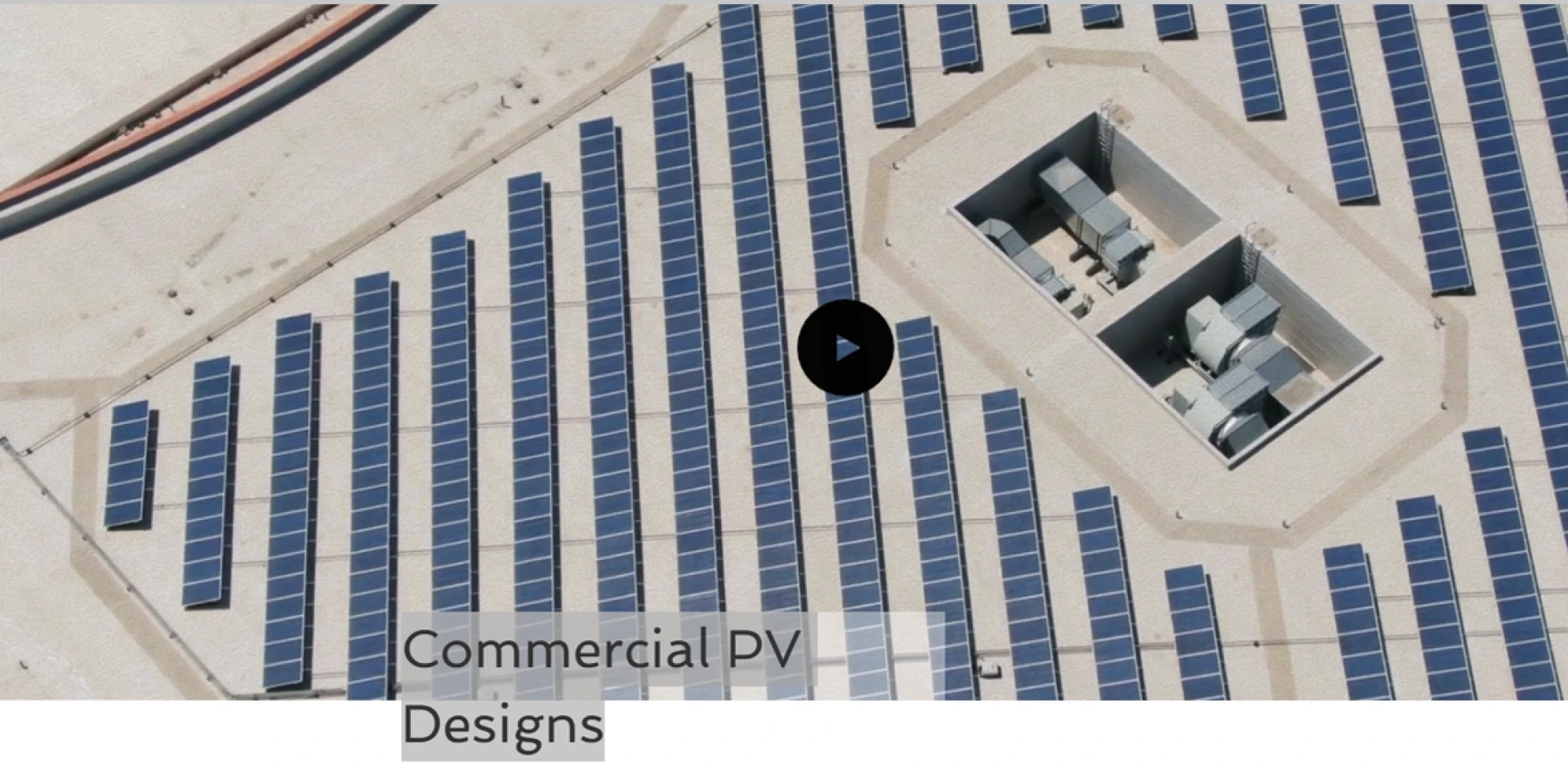
One of the most significant trends is the increasing reliance on sophisticated software for solar PV design. Gone are the days of manual calculations and rough estimates. Modern tools now allow for precise, optimized system planning. For instance, software solutions like PremiumCAD are empowering engineers to create highly detailed and efficient solar layouts. These platforms can simulate energy production, analyze shading, and ensure structural integrity with incredible accuracy, streamlining the entire design process from concept to commissioning. This digital approach minimizes errors and maximizes the energy output of every installation.
Bifacial Panels and Building-Integrated Photovoltaics (BIPV)
The physical design of solar panels is also evolving rapidly. Bifacial solar panels, which can capture sunlight from both sides, are becoming increasingly popular. This technology can boost energy generation by up to 25%, especially when installed over reflective surfaces. This trend in solar PV design maximizes the power density of a solar farm, generating more electricity from the same footprint.
Simultaneously, Building-Integrated Photovoltaics (BIPV) are blurring the lines between building materials and energy generation. Solar shingles, windows, and facades are turning structures into active power plants. This aesthetic and functional approach to solar PV design is crucial for urban environments where space is limited, allowing buildings to generate their own clean energy discreetly.
The Role of AI and Automation
Artificial intelligence (AI) is another powerful force shaping the future of solar PV design. AI algorithms can analyze vast datasets, including weather patterns and site-specific conditions, to recommend the optimal panel placement and configuration. This level of data-driven precision was previously unattainable. Using tools enhanced with AI, such as Premium CAD, designers can automate repetitive tasks and focus on creating more innovative and effective solar solutions. This automation accelerates project timelines and enhances overall system performance.
Looking Ahead
The future of solar energy is bright, and the advancements in solar PV design are leading the charge. From intelligent software platforms that optimize every detail to innovative hardware like bifacial panels and BIPV, the trends of 2025 point toward a more efficient, integrated, and powerful solar infrastructure. As these technologies become more widespread, they will play a critical role in accelerating the global transition to sustainable energy.





























Sign in to leave a comment.