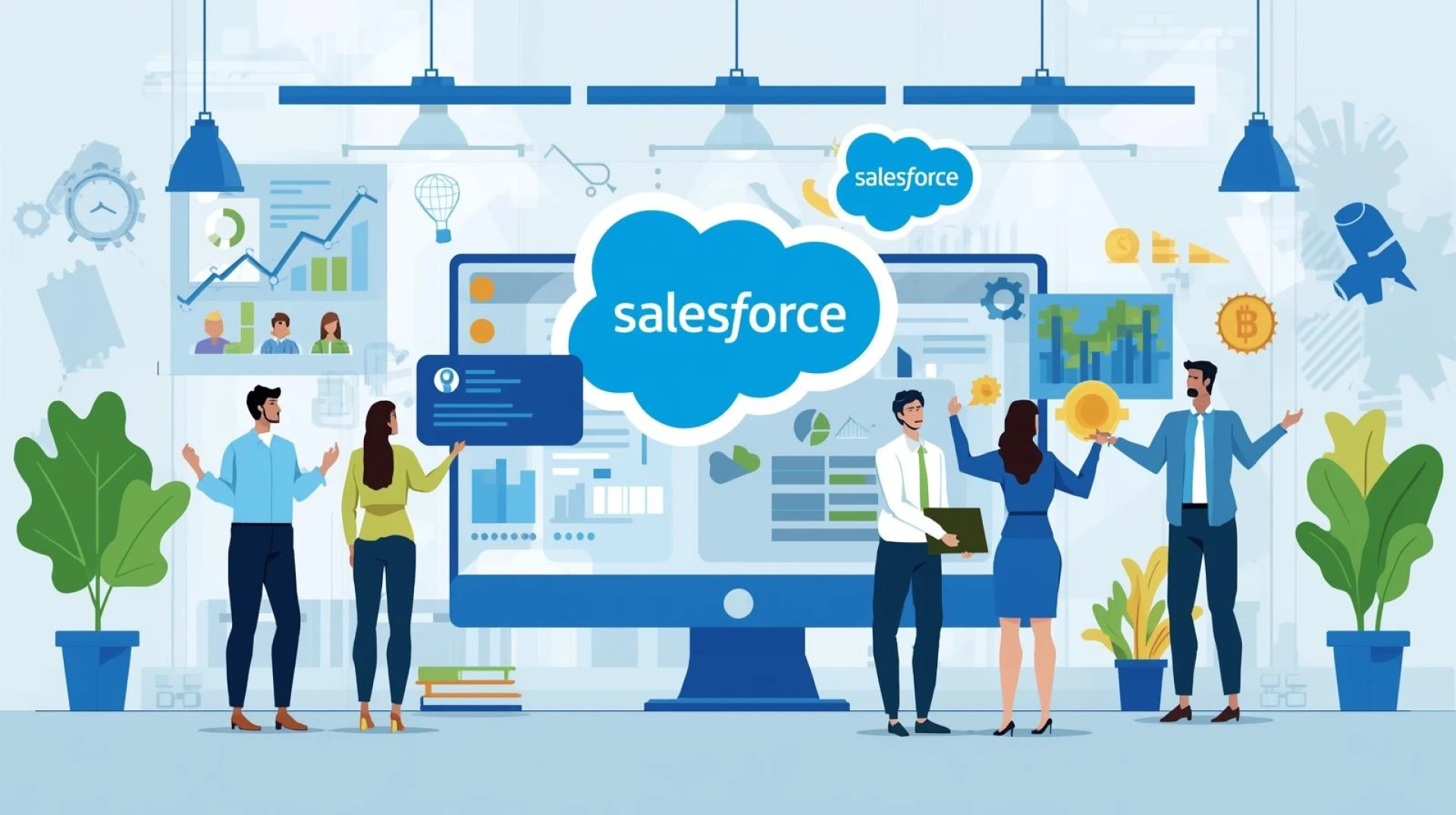
In today’s hyper-competitive digital era, businesses are driven by data, customer relationships, and automation. Salesforce, one of the world’s leading CRM platforms, has become the heartbeat of modern enterprises seeking smarter customer management and operational efficiency. But beyond its powerful out-of-the-box tools, the real magic happens when Salesforce is customized — tailored precisely to align with unique business goals, workflows, and growth strategies.
Let’s dive into how Salesforce development and customization can propel your business toward sustained success.
What is Salesforce Development?
Salesforce development refers to the process of building, customizing, and integrating Salesforce applications to meet specific business needs. While Salesforce provides a robust CRM foundation, every organization functions differently — with unique sales cycles, customer journeys, and data structures. That’s where Salesforce developers step in.
Developers use tools like Apex (Salesforce’s proprietary programming language), Visualforce, Lightning Components, and APIs to create custom functionalities that extend Salesforce’s default capabilities. Whether it’s developing custom dashboards, automating workflows, or integrating with third-party systems — Salesforce development ensures the platform fits like a glove around your business model.
Why Customization is Key to Business Success
1. Tailored Workflows for Maximum Efficiency
Every organization has a unique way of handling sales, service, and marketing. Standard CRM features might not address those nuances. Custom Salesforce workflows allow teams to:
- Automate repetitive tasks like lead assignment or follow-ups.
- Set custom triggers for sales notifications.
- Streamline approvals and pipeline stages.
This leads to greater efficiency, fewer manual errors, and improved productivity across departments.
2. Enhanced Customer Experience
Personalization is no longer optional — it’s expected. By customizing Salesforce, businesses can create 360-degree customer views, integrating data from multiple touchpoints such as email, social media, and website interactions. This unified view helps teams:
- Predict customer needs.
- Offer faster, more personalized support.
- Improve retention and loyalty through data-driven insights.
According to a Salesforce report, 88% of customers say the experience a company provides is as important as its products or services. Customization ensures that experience is seamless and memorable.
3. Smarter Decision-Making with Custom Dashboards
Prebuilt dashboards are great for general reporting, but custom dashboards turn data into actionable intelligence. Businesses can create:
- Sales performance dashboards tailored to KPIs.
- Real-time marketing analytics.
- Predictive reports on customer churn or purchase trends.
With AI tools like Salesforce Einstein, predictive analytics now plays a major role in decision-making, helping businesses anticipate market changes and act proactively.
Key Areas of Salesforce Customization
1. Custom Objects and Fields
Salesforce allows developers to create custom objects — unique database tables designed for specific business data. For example, a real estate company might create objects for “Property Listings” or “Client Visits.” Custom fields can also capture data that default fields don’t support.
2. Lightning App Development
With the Lightning Component Framework, Salesforce enables rapid app development. These apps are mobile-friendly, interactive, and can be built with reusable UI components — perfect for businesses seeking agility and scalability.
3. Workflow Automation
Custom triggers and flows built through Salesforce Flow or Process Builder automate complex processes like email alerts, approvals, and data updates, saving hours of manual effort.
4. Third-Party Integrations
Salesforce easily integrates with tools like Slack, Mailchimp, HubSpot, and even ERP systems. Custom integrations ensure your entire business ecosystem communicates seamlessly — creating one connected experience.
Benefits of Salesforce CRM Custom Development
- Increased Productivity: Teams spend less time on repetitive tasks and more on value-driven activities.
- Data Accuracy: Custom validation rules and automation reduce human errors.
- Scalability: As your business grows, Salesforce custom solutions can evolve alongside it.
- Better ROI: According to IDC, companies using Salesforce see an average 25% increase in revenue and a 35% faster deployment cycle after customization.
- User Adoption: Customized layouts and processes make the CRM intuitive and user-friendly, encouraging better adoption among employees.
Trends in Salesforce Development for 2026 and Beyond
- AI-Powered Automation: With Salesforce Einstein and GPT integration, businesses now automate predictive insights, content generation, and intelligent workflows.
- Low-Code Development: Salesforce’s Flow Builder and App Builder are empowering non-developers to create custom apps with drag-and-drop simplicity.
- Hyper-Personalization: Businesses are leveraging CRM data to offer real-time personalized experiences across multiple channels.
- Sustainability Tracking: Salesforce’s Net Zero Cloud helps organizations track and reduce carbon emissions — aligning technology with corporate responsibility.
Conclusion: Building Long-Term Success with Custom Salesforce Solutions
Salesforce’s true power lies not just in its platform but in how effectively it’s customized to your business. From automating tasks and personalizing customer interactions to delivering deep insights through analytics, Salesforce development ensures your CRM becomes a growth engine rather than just a data repository.
In an era where agility and customer-centricity define success, custom Salesforce custom development isn’t a luxury — it’s a necessity. Whether you’re a startup scaling fast or an enterprise optimizing complex processes, tailoring Salesforce to your business needs can unlock unmatched potential, efficiency, and growth.























Sign in to leave a comment.