




Introduction
As India moves towards clean energy and reduced dependency on fossil fuels, Bio CNG (Compressed Bio Gas) has emerged as one of the most economically viable and environmentally beneficial alternatives to traditional fuels. It is a renewable fuel produced from organic waste through anaerobic digestion and purified to match the composition and performance of conventional CNG.
With rising fuel prices, government support under schemes like SATAT, and increased demand from industries and transport sectors, the opportunity to setup a Bio CNG Plant has never been more promising. This guide explains the key steps, costs, requirements, and considerations for establishing a successful Bio CNG project.
What is Bio CNG?
Bio CNG is produced from biogas derived from the decomposition of organic matter such as agricultural residue, food waste, animal manure, and municipal waste. Once purified and upgraded, it contains over 90% methane, giving it similar properties to natural CNG but with a much lower carbon footprint.
Parameter
Biogas
Bio CNG
Natural CNG
Methane Content
55–65%
90%+
90%+
Carbon Footprint
Low
Very Low
Medium
Source
Organic waste
Organic waste
Fossil reserves
Bio CNG can be used for vehicles, industries, commercial kitchens, power generation, and household cooking.
Why Start a Bio CNG Plant?
- High Market Demand from transport, hotels, manufacturing plants, and commercial fuel distributors.
- Government Backing through SATAT and city gas distribution networks.
- Low Raw Material Cost due to abundant agricultural waste in India.
- Attractive Returns with steady operational margins.
- Positive Environmental Impact by reducing crop burning and landfill waste.
Entrepreneurs, farmer-producer organizations (FPOs), co-operatives, and sustainable energy investors are increasingly entering this sector.
Step-by-Step Guide to Setting Up a Bio CNG Plant
1. Identify Feedstock Availability
The success of a Bio CNG plant depends on the consistent supply of biomass.
Common feedstock options include:
- Rice straw
- Napier grass
- Sugarcane press mud
- Vegetable market waste
- Cattle dung
- Food processing waste
- Municipal wet waste
Conducting a feedstock mapping study ensures reliable long-term fuel production.
2. Choose the Plant Capacity
Capacity is determined based on feedstock availability and market demand.
Plant Size
Daily Bio CNG Output
Feedstock Required
Small
1–3 tons/day
6–18 tons biomass/day
Medium
5–10 tons/day
35–60 tons biomass/day
Large
20–50 tons/day
150+ tons biomass/day
Higher capacity plants benefit from economies of scale.
3. Conduct Feasibility Study
A feasibility assessment includes:
- Feedstock survey
- Site selection
- Technology evaluation
- Market demand analysis
- Cost and revenue forecasting
- Risk and operational planning
This ensures business viability before capital investment.
4. Land and Infrastructure
A typical Bio CNG plant requires:
- 1 to 5 acres of land
- Access to road networks
- Water supply
- Power connectivity
- Safe distance from residential areas
Nearness to feedstock sources reduces logistics costs.
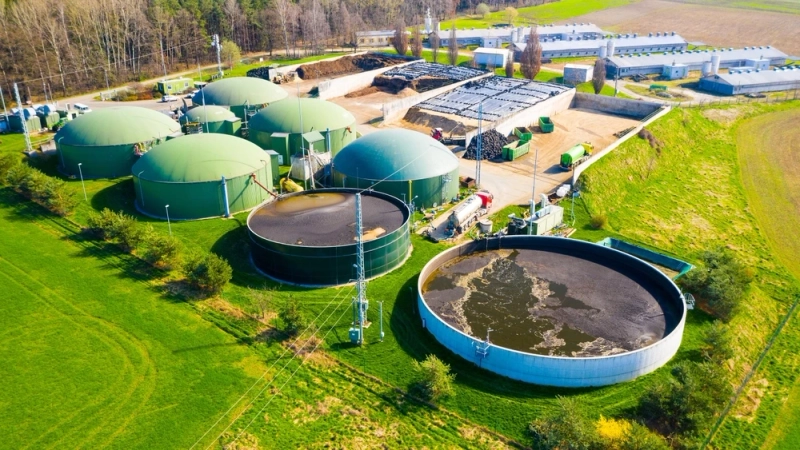
5. Technology and Plant Design
Key plant components include:
- Feedstock handling systems
- Anaerobic digesters
- Gas purification and upgrading units
- Bio CNG compression and storage cylinders
- Digestate processing units (for organic fertilizer)
The heart of the plant is the digester and upgrading technology, which determines gas yield and performance reliability.
6. Government Approvals and Policies
Key approvals may include:
- Pollution Control Board Permission
- Factory license and safety certifications
- PESO certification for high-pressure gas cylinders
- SATAT contract (if selling to OMCs)
- Local municipal or Panchayat permissions (if using MSW)
Government policy supports Bio CNG as a strategic industry, making compliance manageable when guided by experts.
7. Capital Investment and Funding
Investment depends on plant capacity and technology type.
Capacity
Estimated Project Cost (₹)
5 TPD Plant
₹8–14 Crore
10 TPD Plant
₹15–25 Crore
30+ TPD Plant
₹30–60 Crore
Funding options:
- Bank loans
- Private investors
- Farmer co-operatives
- Carbon credit revenue streams
- Government-supported lending programs
8. Production and Operations
Once operational, the plant requires:
- Skilled operators
- Feedstock supply planning
- Digester health monitoring
- Gas quality checks
- Preventive maintenance schedules
A well-managed plant operates continuously 20–25 years.
Revenue Streams from a Bio CNG Plant
Output
Use
Revenue Potential
Bio CNG
Transport, industries, gas stations
High recurring revenue
Organic Fertilizer (Digestate)
Agriculture and soil restoration
Additional income stream
Carbon Credits
Emission reduction programs
Long-term financial gain
This makes the project economically stable and environmentally rewarding.
Impact on Society and Environment
- Reduces stubble burning and landfill waste.
- Improves air quality.
- Creates rural employment and farmer income.
- Helps meet India’s Net Zero emissions goals.
- Strengthens local clean energy infrastructure.
Conclusion
Setting up a Bio CNG Plant is a powerful opportunity to build a sustainable, profitable, and future-ready business. By converting agricultural and organic waste into clean fuel, entrepreneurs can simultaneously support the environment, strengthen rural economies, and contribute to India’s renewable energy transition.
With the right feasibility planning, feedstock strategy, plant engineering, and operational guidance, a Bio CNG project can deliver high returns and long-term growth.