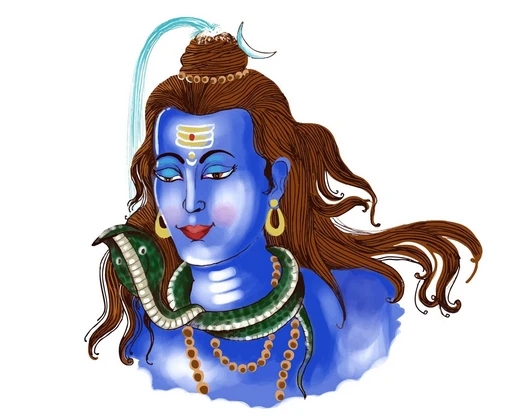

Among India’s vast spiritual literature, few texts hold the depth, symbolism, and quiet power of the Shiva Mahapurana. It is not merely a collection of stories about Lord Shiva; it is a contemplative journey into the nature of existence, consciousness, and devotion.
Unlike texts that instruct, the Shiva Mahapurana reveals. It invites the reader to move beyond form and ritual, toward understanding Shiva not only as a deity, but as a cosmic principle—timeless, formless, and deeply intimate.
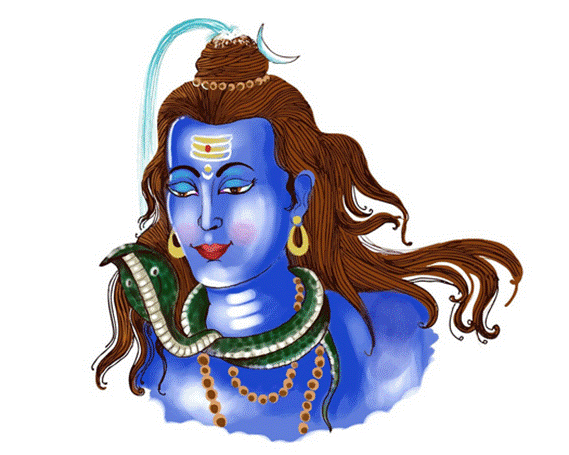
What Is the Shiva Mahapurana?
The Shiva Mahapurana is one of the eighteen major Puranas of Hindu tradition. Dedicated entirely to Lord Shiva, it weaves mythology, philosophy, devotion, and cosmology into a unified spiritual narrative.
Rather than presenting a single storyline, the text unfolds through dialogues, legends, and symbolic episodes. As a result, the Shiva Mahapurana functions both as scripture and reflection—meant to be absorbed slowly, not hurriedly read.
Lord Shiva Beyond Myth: Symbolism and Meaning
In the Shiva Mahapurana, Shiva is not confined to divine personality alone. He represents the unchanging reality beneath all change.
• As Mahadeva, he embodies supreme consciousness
• As Nataraja, he expresses cosmic rhythm and balance
• As the Ascetic, he teaches detachment
• As the Householder, he affirms worldly responsibility
Through these forms, the text reveals a profound truth: contradiction is not conflict, but completeness.
Stories That Reveal the Mysteries of Creation and Destruction
The Shiva Mahapurana repeatedly returns to cycles—creation, preservation, dissolution, and renewal. Shiva’s role as destroyer is often misunderstood. Destruction, here, is not annihilation, but transformation.
Stories of cosmic dissolution remind readers that endings are essential for renewal. Therefore, Shiva becomes the guardian of balance rather than chaos.
Devotion in the Shiva Mahapurana: Bhakti Over Fear
One of the most powerful aspects of the Shiva Mahapurana is its emphasis on devotion rooted in sincerity rather than perfection.
Devotees in the text are not flawless. They are emotional, flawed, fearful, and questioning. Yet, Shiva responds not to ritual accuracy, but to inner truth.
Consequently, devotion becomes accessible—grounded in humility rather than hierarchy.
Parvati and the Balance of Consciousness
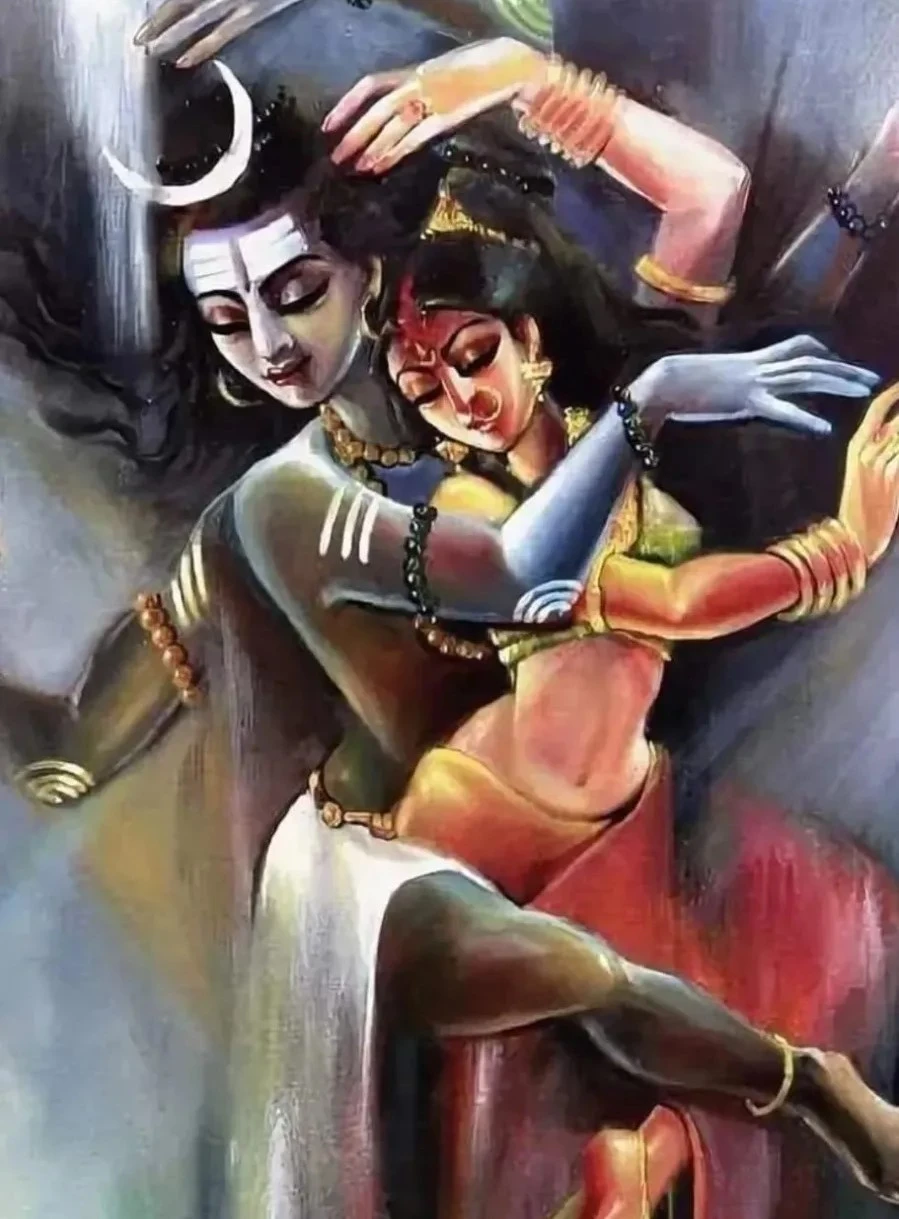
The Shiva Mahapurana does not isolate Shiva from Shakti. Parvati is not a secondary presence; she is essential.
Their union symbolizes balance between:
• Consciousness and energy
• Detachment and engagement
• Stillness and creation
Without Shakti, Shiva is inert. Without Shiva, Shakti lacks direction. Together, they represent wholeness.
Why the Shiva Mahapurana Still Matters Today
In a world driven by speed and certainty, the Shiva Mahapurana offers stillness and inquiry.
It speaks to modern readers because it:
• Encourages self-reflection over blind belief
• Accepts contradiction without anxiety
• Honors both solitude and responsibility
• Frames spirituality as experience, not dogma
Thus, its relevance extends far beyond religious boundaries.
Oral Tradition, Interpretation, and Living Text
For centuries, the Shiva Mahapurana has been shared through oral storytelling, temple discourse, and personal reading. Each retelling adds interpretation, ensuring the text remains alive rather than fixed.
As a result, its mysteries deepen with time rather than fade.
Frequently Asked Questions
What is the central message of the Shiva Mahapurana?
It emphasizes understanding Shiva as ultimate consciousness and highlights devotion, balance, and inner transformation.
Is the Shiva Mahapurana only for devotees of Shiva?
No. Its philosophical insights appeal to anyone interested in spirituality, symbolism, and self-inquiry.
How is the Shiva Mahapurana different from other Puranas?
It focuses deeply on metaphysical concepts and the inner journey, rather than only external events.
Can the Shiva Mahapurana be read by beginners?
Yes. While layered in meaning, its stories are accessible and can be explored gradually.
What role does symbolism play in the text?
Symbolism allows complex spiritual truths to be communicated through narrative and imagery.
Closing Reflection
The Shiva Mahapurana does not claim to explain Lord Shiva fully—because Shiva, by nature, is beyond explanation. Instead, it opens a doorway.
Through story, silence, and symbolism, the text invites readers to confront impermanence, embrace balance, and recognize the sacred within themselves. That is why, across centuries, the Shiva Mahapurana continues to reveal mysteries rather than resolve them.



























Sign in to leave a comment.