




Peyronie’s disease is a condition that affects many men, characterized by the formation of fibrous scar tissue inside the penis, which can lead to curvature, pain, and difficulties during sexual intercourse. As awareness of this condition grows, so too does interest in effective treatment options. One promising approach is shockwave therapy for Peyronie’s disease. This article aims to provide an in-depth understanding of Peyronie’s disease, explore how shockwave therapy works, and discuss its benefits, results, and implications for men suffering from this challenging condition.
Understanding Peyronie’s Disease
Peyronie’s disease occurs when scar tissue forms in the tunica albuginea, the fibrous sheath surrounding the erectile tissue of the penis. This scar tissue can cause one or more bends in the penis during an erection, making sexual intercourse painful or difficult. The exact cause of Peyronie’s disease remains unclear, but it is believed to be linked to trauma or injury to the penis, genetics, and certain health conditions such as diabetes and Dupuytren's contracture.
The condition can affect men of all ages, but it is more prevalent in middle-aged and older men. While many men may experience some degree of curvature in their penis, Peyronie’s disease is characterized by significant bending or deformity that interferes with sexual function. The emotional and psychological impact of this condition can be substantial, leading to feelings of embarrassment, anxiety, and decreased self-esteem.
Traditional Treatment Options for Peyronie’s Disease
Historically, the treatment options for Peyronie’s disease have been limited. They include:
- Medications: Oral medications, such as pentoxifylline or collagenase injections, have been used to help reduce curvature and improve symptoms. However, the effectiveness of these treatments can vary, and they may not be suitable for all patients.
- Vacuum Devices: Vacuum erection devices can help to stretch the scar tissue and potentially reduce curvature. While these devices may provide some benefit, they require consistent use and may not be effective for everyone.
- Surgery: In more severe cases, surgical intervention may be considered. Surgical options include procedures to remove the scar tissue or implanting a penile prosthesis. Surgery carries risks and is typically reserved for patients with significant deformity or pain that does not respond to other treatments.
Despite these options, many men remain dissatisfied with their treatment outcomes, leading to a search for alternative therapies, including shockwave therapy.
What is Shockwave Therapy?
Shockwave therapy is a non-invasive treatment that utilizes low-intensity sound waves to stimulate healing and promote tissue regeneration. Originally developed for orthopedic conditions, this therapy has been adapted for use in urology, particularly in treating erectile dysfunction and Peyronie’s disease.
The mechanism behind shockwave therapy involves the delivery of acoustic waves to the affected area, which can help break down fibrous scar tissue, improve blood flow, and promote the formation of new blood vessels. The treatment is generally painless and does not require anesthesia, making it an attractive option for many patients.
How Shockwave Therapy Works for Peyronie’s Disease
When applied to Peyronie’s disease, shockwave therapy aims to address the underlying scar tissue and improve the overall condition of the penile tissue. The sound waves generated during the therapy create microtraumas in the tissue, which stimulates the body’s natural healing processes. This response can lead to several potential benefits:
- Reduction of Scar Tissue: Regular shockwave therapy sessions may help to break down the fibrous scar tissue associated with Peyronie’s disease, leading to a decrease in curvature and improvement in penile function.
- Improved Blood Flow: The therapy promotes better blood circulation in the penis, which can enhance erectile function and overall sexual health.
- Increased Tissue Regeneration: By stimulating the formation of new blood vessels and promoting healing, shockwave therapy can facilitate the regeneration of healthy tissue, potentially improving the overall condition of the penis.
Clinical Evidence Supporting Shockwave Therapy for Peyronie’s Disease
Research on the efficacy of shockwave therapy for Peyronie’s disease is still emerging, but several studies have shown promising results. For instance, a clinical trial published in the Journal of Sexual Medicine indicated that patients who received shockwave therapy experienced significant reductions in penile curvature, improved erectile function, and decreased pain during erections.
Another study found that men undergoing shockwave therapy had a marked improvement in their Peyronie’s disease symptoms after a series of treatments. While individual responses can vary, the overall trend in the research suggests that shockwave therapy can be a valuable addition to the treatment options available for Peyronie’s disease.
Benefits of Shockwave Therapy for Peyronie’s Disease
Non-Invasive and Painless
One of the primary advantages of shockwave therapy is its non-invasive nature. Unlike surgical procedures, which can involve significant risks and recovery times, shockwave therapy can be performed in an outpatient setting with minimal discomfort. Most patients find the treatment to be well-tolerated, making it an appealing option for those hesitant to pursue more invasive procedures.
Minimal Side Effects
Shockwave therapy is associated with fewer side effects compared to traditional treatments. While some patients may experience mild discomfort or redness at the treatment site, these effects are generally short-lived and resolve quickly. This aspect makes shockwave therapy a safer alternative for many men.
Improved Quality of Life
For men suffering from Peyronie’s disease, the impact on quality of life can be profound. By reducing curvature, alleviating pain, and improving erectile function, shockwave therapy can significantly enhance sexual satisfaction and overall well-being. Many patients report increased confidence and improved relationships following treatment.
What to Expect During Treatment
The shockwave therapy process typically begins with a consultation with a healthcare provider specializing in sexual health. During this appointment, the provider will assess the patient’s medical history, discuss symptoms, and tailor a treatment plan based on individual needs.
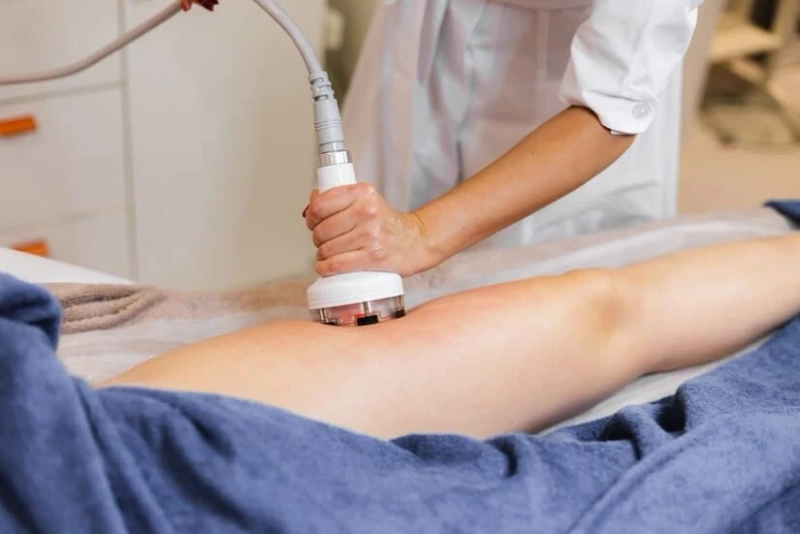
The treatment itself usually involves multiple sessions, each lasting about 20 to 30 minutes. During the procedure, a handheld device is used to deliver shockwaves to the penis, targeting the affected areas. Most patients report only mild sensations during the treatment, with no need for anesthesia.
After the sessions, patients are generally advised to avoid sexual activity for a short period to allow the body to respond to the therapy effectively. Many individuals begin to notice improvements in their symptoms after a series of treatments, typically ranging from six to eight sessions.
Potential Limitations and Considerations
While shockwave therapy for Peyronie’s disease shows significant promise, it is essential to consider some limitations. Not all patients may respond to the treatment, and individual results can vary based on the severity of the condition and overall health factors.
Additionally, while the therapy is generally safe, it may not be appropriate for individuals with certain medical conditions or those who have severe penile deformities. Consulting with a qualified healthcare provider is crucial for determining the best treatment options based on individual circumstances.
The Future of Shockwave Therapy for Peyronie’s Disease
As research continues to evolve, the future of shockwave therapy in the treatment of Peyronie’s disease looks promising. Ongoing clinical trials aim to further establish its efficacy, optimal treatment protocols, and long-term outcomes. As more healthcare providers become familiar with this innovative approach, it is likely that shockwave therapy will become a more widely accepted option for men dealing with Peyronie’s disease.
Moreover, as societal attitudes toward men's sexual health continue to shift, more men may feel empowered to seek help for Peyronie’s disease and explore effective treatment options like shockwave therapy. This shift could lead to greater acceptance and understanding of sexual health issues, ultimately benefiting many individuals and their partners.
Conclusion
In conclusion, shockwave therapy for Peyronie’s disease offers an innovative and promising treatment alternative for men grappling with the challenges associated with this condition. By targeting the underlying scar tissue, improving blood flow, and promoting tissue regeneration, shockwave therapy provides a non-invasive solution that can enhance quality of life. As research continues to support its efficacy, more men may find hope and relief through this cutting-edge approach.
If you are experiencing symptoms of Peyronie’s disease and are interested in exploring shockwave therapy, Dr SW Clinics is here to help. Our experienced professionals are dedicated to providing personalized care tailored to your needs. Don’t let Peyronie’s disease hold you back—take the first step toward a fulfilling sexual life today!