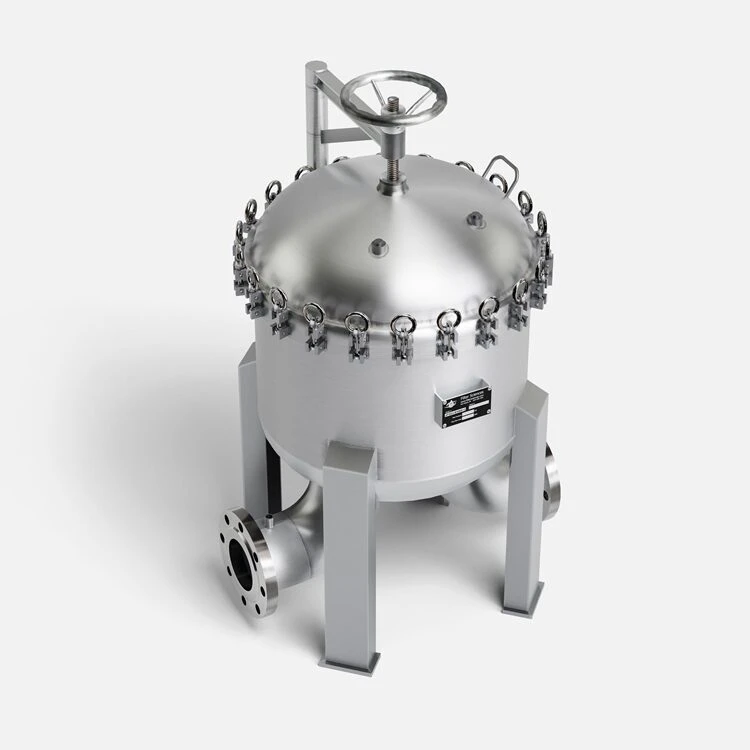
Most filtration setups don’t suddenly stop working. They start acting up in small ways that are easy to ignore at first. A little leak here, a pressure drop there. But over time, those “small” issues start costing money, time, and patience. If you’re seeing repeated problems, switching to stainless steel bag filter housing often becomes the practical move rather than a technical upgrade.
You’re fixing the Same Issues Again and Again
If maintenance feels repetitive, that’s usually not bad luck - it’s material fatigue. Cheaper housings don’t always hold up to pressure cycles, chemicals, or long run hours. Cracks, corrosion, and seal failures tend to show up faster than expected. A properly built stainless steel bag filter housing handles daily wear without constantly asking for attention.
Some common warning signs:
- Rust marks or surface damage around joints
- Gaskets needing replacement more often than planned
- Small leaks turning into regular shutdowns
When fixes become routine, reliability is already compromised.
Filtration Results Aren’t Consistent Anymore
If your output quality changes from batch to batch, housing stability could be the issue. Slight deformation under pressure can affect how the bag sits, which leads to bypassing. That’s when contaminants sneak through even though the filter bag itself is fine. With stainless steel bag filter housing, the structure stays rigid, helping the filtration process remain predictable.
Inconsistent results often show up before major failures, which is why they shouldn’t be brushed off.
Heat or Chemicals Are Pushing Limits
Processes involving hot fluids or aggressive chemicals are unforgiving. Over time, some materials weaken, soften, or react in ways that aren’t obvious until something goes wrong. Stainless steel bag filter housing is commonly chosen once operators realize their current system wasn’t designed for long-term exposure.
Signs your process is stressing the housing:
- Surface discoloration
- Seals breaking down faster than expected
- Pressure ratings becoming unreliable
These issues usually grow quietly before turning serious.
Cleaning Is Taking Too Much Effort
If cleaning feels like a workaround instead of a routine task, that’s a problem. Rough surfaces, tight corners, and residue buildup slow everything down. Many teams move to stainless steel bag filter housing once hygiene standards tighten or inspections become more frequent. Smooth interiors and easier access make cleaning simpler and more consistent.
This is especially important when cross-contamination isn’t an option.
Growth Is Exposing Weak Points
A system that worked fine at lower flow rates might struggle once production increases. Higher volumes mean more pressure, more stress, and less tolerance for weak components. Upgrading to stainless steel bag filter housing often solves issues that only appear once operations scale.
Long-Term Costs Are Adding Up
At some point, the math becomes obvious. Downtime, spare parts, and repeated labor cost more than expected. While the initial price is higher, stainless steel bag filter housing tends to last longer and perform more steadily, which balances things out over time.
If several of these signs sound familiar, it’s usually your process telling you it’s outgrown its current filtration setup - not something to ignore.


















Sign in to leave a comment.