




For athletes at every level—from weekend warriors to elite professionals—injuries are an unavoidable reality. Torn ligaments, strained muscles, and damaged cartilage can sideline even the most dedicated competitors for months, sometimes ending careers prematurely. Traditional recovery protocols often involve rest, physical therapy, and in severe cases, surgery. However, these approaches primarily manage symptoms and promote scar tissue formation rather than true tissue regeneration. Enter stem cell therapy, a revolutionary approach that's changing the game for sports medicine. By harnessing the body's innate healing power, this advanced treatment offers the potential for faster, more complete recovery from common athletic injuries. This article explores how sports medicine clinics, including those specializing in stem cell therapy, are leveraging this technology to get athletes back in the game stronger than ever.
The Limitations of Traditional Sports Injury Treatments
To appreciate the value of stem cell therapy, it's important to understand the shortcomings of conventional treatments for common sports injuries:
Common Athletic Injuries and Their Conventional Treatments
- Tendon Injuries (Tendinopathies): Conditions like Achilles tendinitis, rotator cuff tears, and tennis elbow. Treatments typically include rest, NSAIDs, corticosteroid injections, and physical therapy. While these can reduce inflammation and pain, they often fail to address the underlying degenerative changes in the tendon tissue.
- Ligament Sprains and Tears: ACL, MCL, and ankle sprains are common. Severe tears often require surgical reconstruction, which involves a long and arduous rehabilitation process. The resulting scar tissue is biomechanically inferior to the original ligament.
- Cartilage Damage: Articular cartilage injuries in knees, hips, and shoulders. Cartilage has limited blood supply and poor innate healing capacity. Surgery (like microfracture) attempts to stimulate healing but often produces fibrocartilage—a weaker substitute for the original hyaline cartilage.
The fundamental issue is that these traditional methods focus on symptom management and mechanical stabilization, not biological repair. They don't replace the damaged tissue with healthy, functional tissue.
How Stem Cell Therapy Works for Sports Injuries
Stem cell therapy introduces a paradigm shift from managing damage to promoting regeneration. The treatment utilizes Mesenchymal Stem Cells (MSCs), typically harvested from the athlete's own bone marrow or adipose tissue. These cells are powerful agents of repair with several key functions:
The Regenerative Mechanism
- Targeted Differentiation: When injected into an injured tendon, ligament, or joint, MSCs can differentiate into the specific cell types needed for repair—tenocytes (tendon cells), chondrocytes (cartilage cells), or fibroblasts (ligament cells).
- Powerful Signaling: More importantly, MSCs act as "directors" of the healing process. They release a sophisticated cocktail of growth factors and anti-inflammatory cytokines that:
- Reduce Inflammation: Calm the excessive inflammatory response that causes pain and further tissue damage.
- Recruit Native Cells: Attract the body's own repair cells to the injury site.
- Stimulate Angiogenesis: Promote the formation of new blood vessels to improve blood supply to the healing tissue.
- Modulate the Immune System: Help create an optimal environment for regeneration rather than scar formation.
This comprehensive approach addresses the injury at a cellular level, aiming to restore the tissue's original structure and strength.
Applications in Common Sports Injuries
1. Rotator Cuff Tears
The rotator cuff is particularly vulnerable in throwing athletes and weightlifters. Stem cell injections can be used for partial tears or as an adjunct to surgical repair for full tears. The cells help regenerate tendon tissue, potentially leading to a stronger repair and lower re-tear rates compared to surgery alone. Specialized clinics like American Stem Cell Health have extensive experience in treating complex shoulder conditions with regenerative techniques.
2. Knee Ligament Injuries (ACL, MCL)
For ACL injuries, stem cells can be injected into the graft site during reconstruction surgery or used for conservative management of partial tears. The therapy supports the remodeling process, helping the new ligament integrate better and mature into a stronger, more ligament-like tissue.
3. Tendinopathies (Tennis Elbow, Golfer's Elbow, Jumper's Knee)
Chronic tendinopathies are characterized by failed healing responses. Stem cell therapy directly addresses this by jumpstarting the regenerative process. It can break the cycle of degeneration and pain, offering hope to athletes who have not responded to other treatments.
4. Osteoarthritis in Athletes
Years of high-impact sports often lead to early-onset osteoarthritis. Stem cell injections into affected joints can help regenerate cartilage, reduce inflammation, and alleviate pain, potentially extending an athlete's career by years.
The Treatment Process for Athletes
The procedure is minimally invasive and typically involves:
- Comprehensive Evaluation: Assessment of the injury via physical exam and MRI to determine candidacy.
- Stem Cell Harvesting: A small sample of bone marrow is drawn from the hip or fat tissue from the abdomen.
- Processing and Concentration: The sample is processed in an on-site lab to isolate and concentrate the MSCs.
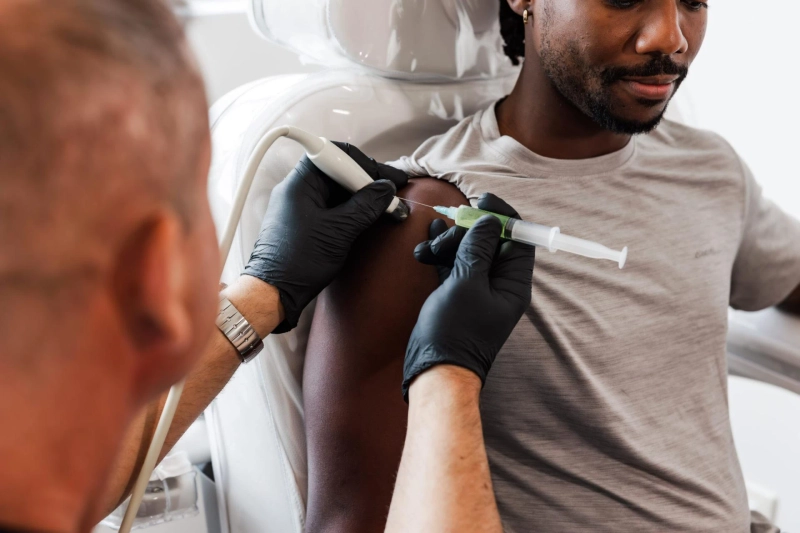
- Precise Injection: Using ultrasound guidance, the stem cell concentrate is injected directly into the injured tissue.
Downtime is minimal. Athletes may need to rest for a few days before beginning a guided rehabilitation program.
Benefits for the Athletic Population
- Accelerated Healing: By promoting true tissue regeneration, recovery timelines can be significantly shortened.
- Superior Tissue Quality: The goal is to regenerate functional tissue, not scar tissue, leading to better long-term strength and durability.
- Reduced Pain and Inflammation: The anti-inflammatory effects provide rapid pain relief.
- Potential to Avoid Surgery: For many injuries, stem cell therapy can provide a non-surgical solution with excellent outcomes.
- Performance Preservation: By restoring tissue to a more native state, athletes can return to their previous level of performance.
The Future is Now in Sports Medicine
Stem cell therapy represents the cutting edge of sports medicine. It aligns with the athlete's goal of not just returning to play, but returning at peak performance. As research continues to validate its efficacy, this regenerative approach is poised to become a standard of care for managing sports injuries. For athletes looking for the most advanced healing technology available, consulting with a specialist in regenerative medicine is the first step toward a faster, stronger comeback.