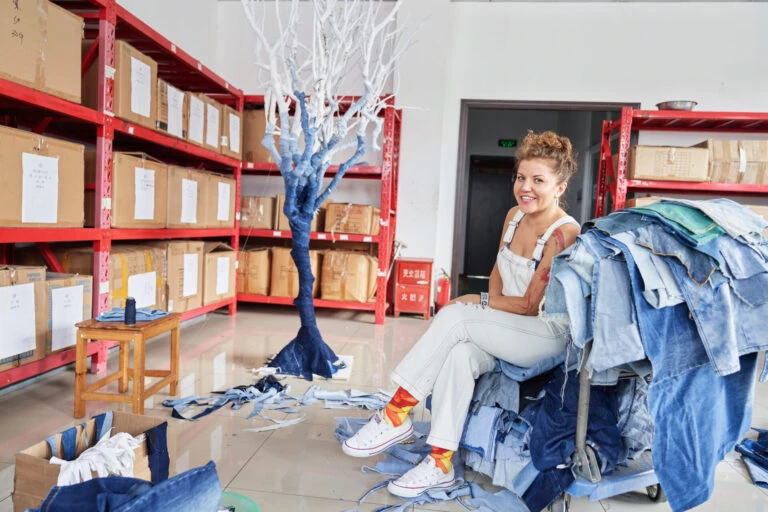

Sustainable fashion in New Zealand isn’t just a trend—it’s a movement stitched together with purpose, responsibility, and creativity. As awareness around climate change and ethical consumption grows, New Zealanders are increasingly rethinking what they wear and why they wear it. Fashion here is no longer only about looking good; it’s about doing good too.
Why Sustainable Fashion Matters More Than Ever
Let’s face it—fast fashion has a dirty secret. Behind cheap prices and ever-changing trends lies massive environmental damage and unfair labor practices. Sustainable fashion flips the script by focusing on people, planet, and long-term impact.
Environmental Impact of Fast Fashion
The fashion industry is one of the largest polluters globally. Excessive water use, chemical dyes, and textile waste clog landfills at an alarming rate. In contrast, sustainable fashion in New Zealand prioritizes reducing waste, lowering carbon footprints, and choosing earth-friendly materials.
Social Responsibility in the Fashion Industry
Ethical fashion also means fair wages, safe working conditions, and transparency. Consumers in New Zealand are becoming more conscious, asking questions like, “Who made my clothes?” and “Under what conditions?”
New Zealand’s Unique Approach to Sustainable Fashion
New Zealand has a strong connection to nature, and that’s reflected in its fashion philosophy. Sustainability here isn’t an afterthought—it’s woven into the design process from the start.
Local Materials and Ethical Sourcing
Designers often rely on locally sourced or responsibly imported materials, supporting artisans and reducing transportation emissions. It’s fashion with a lighter footprint.
Slow Fashion Movement in New Zealand
Slow fashion encourages fewer, better-quality pieces instead of overflowing wardrobes. Think of it like building a capsule wardrobe that ages gracefully—just like a good friendship.
Upcycling and Circular Fashion
Upcycling turns discarded materials into fresh designs, giving old fabrics a second life. Circular fashion ensures garments stay in use for as long as possible rather than ending up in landfills.
Zero-Waste Design Philosophy
Some designers even create patterns that leave zero fabric waste. It’s like solving a puzzle where every piece matters.
Key Principles of Sustainable Fashion
Sustainable fashion isn’t complicated, but it is intentional.
Eco-Friendly Fabrics
Organic cotton, hemp, linen, and recycled fibers are popular choices. These materials require fewer resources and are kinder to the planet.
Ethical Production Practices
Transparency in manufacturing builds trust. Ethical brands openly share how and where their products are made.
Longevity Over Trends
Instead of chasing trends, sustainable fashion focuses on timeless designs that last season after season.
How Consumers in New Zealand Are Driving Change
The real power lies with consumers. Every purchase is a vote for the kind of world we want.
Mindful Buying Habits
Buying less but better is becoming the norm. New Zealand shoppers are choosing quality over quantity.
Supporting Ethical Brands
When consumers support sustainable brands, they encourage the entire industry to evolve.
Role of Upcycled Clothing in Sustainable Fashion
Upcycled fashion is like giving clothes a second chance—and who doesn’t love a good comeback story?
What Is Upcycled Fashion?
Upcycling involves transforming old or unused garments into new, stylish pieces without breaking them down completely.
Benefits of Choosing Upcycled Clothing
- Reduces textile waste
- Saves resources
- Creates unique, one-of-a-kind designs
Sustainable Fashion Brands Making a Difference
Across New Zealand and beyond, brands are stepping up.
Emerging Ethical Labels
Local designers are experimenting with biodegradable fabrics and small-batch production, proving sustainability can be stylish.
Global Brands with Local Impact
International sustainable brands are also resonating with New Zealand consumers by aligning with ethical values.
How USEDem Aligns with Sustainable Fashion Values
Platforms like USEDem play a vital role in promoting sustainable fashion by focusing on upcycled and conscious clothing.
Commitment to Upcycling and Ethical Design
USEDem emphasizes creativity through upcycling, reducing waste while delivering fashion that feels personal and purposeful.
Why USEDem Is Relevant for New Zealand Consumers
For New Zealanders seeking sustainable fashion options, USEDem represents a global mindset that aligns perfectly with local values—ethical, eco-conscious, and design-driven.
Challenges Facing Sustainable Fashion in New Zealand
No movement is without hurdles.
Cost and Accessibility
Sustainable fashion can sometimes cost more upfront, though it often saves money long-term due to durability.
Consumer Awareness
Education remains key. The more people understand sustainability, the faster adoption grows.
The Future of Sustainable Fashion in New Zealand
The future looks promising—and stylish.
Innovation and Technology
From recycled fibers to digital fashion sampling, innovation is making sustainability more accessible.
Community-Led Change
Workshops, thrift culture, and online platforms are building communities around conscious fashion.
How You Can Start Your Sustainable Fashion Journey
You don’t need a perfect wardrobe to make a difference.
Simple Steps to Make a Difference
- Buy less, choose well
- Support ethical brands
- Repair and reuse
Building a Conscious Wardrobe
Think of your wardrobe as a long-term investment, not a short-term thrill.
Conclusion
Sustainable fashion in New Zealand is more than a style statement—it’s a lifestyle choice rooted in respect for the planet and people. With growing awareness, innovative brands, and platforms like USEDem leading the way, the shift toward conscious clothing is gaining unstoppable momentum. Every mindful choice, no matter how small, contributes to a more sustainable future.
FAQs
1. What is sustainable fashion in New Zealand?
Sustainable fashion in New Zealand focuses on ethical production, eco-friendly materials, and reducing environmental impact.
2. Why is upcycled clothing important?
Upcycled clothing reduces waste, conserves resources, and offers unique fashion pieces.
3. Is sustainable fashion expensive?
While initial costs may be higher, sustainable clothing often lasts longer, making it cost-effective over time.
4. How can I support sustainable fashion brands?
Buy mindfully, research brands, and choose platforms that promote ethical and upcycled fashion.
5. Can international platforms support New Zealand’s sustainable fashion goals?
Yes, global platforms like USEDem align with New Zealand values by promoting ethical and upcycled fashion worldwide.



























Sign in to leave a comment.