




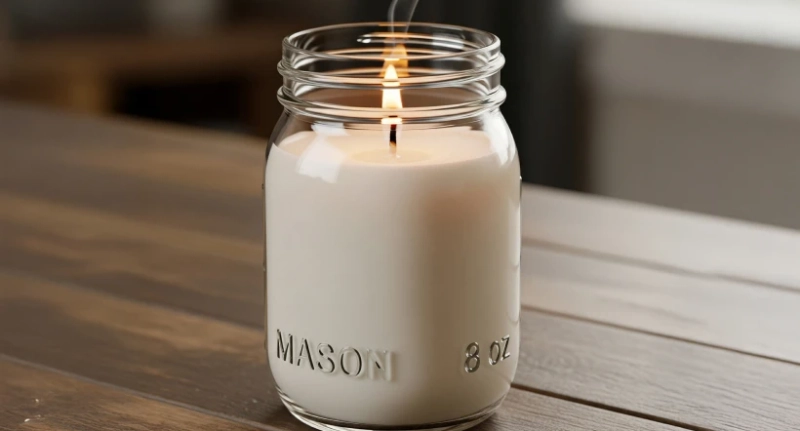
Every candle maker, whether just starting or running an established brand, faces a common set of challenges that can make or break their business. From production issues to customer satisfaction concerns, the candle industry is filled with obstacles that require smart solutions. Enter the 8-oz mason jar, a seemingly simple container that addresses nearly every major pain point candle makers encounter. Here's how this versatile format solves the biggest problems in candle making.
Problem 1: Tunneling and Poor Burn Performance
One of the most frustrating issues for both candle makers and customers is tunneling—when a candle burns down the center, leaving wasted wax along the sides. This problem not only wastes product but also damages brand reputation when customers feel they're not getting their money's worth.
How the 8-oz Mason Jar Solves It:
The 8-oz mason jar has a diameter of approximately 2.75 to 3 inches, which is the sweet spot for achieving a full melt pool with properly sized wicks. This width allows candle makers to use medium-sized wicks (such as CD-10 to CD-14 for soy wax or ECO-10 to ECO-14 for other wax types) that create complete wax pools without being oversized.
The container's straight walls and consistent diameter from top to bottom ensure even heat distribution throughout the burn. Unlike tapered containers or irregular shapes that can create hot spots or cool zones, the 8-oz mason jar's uniform design promotes consistent burning from the first light to the last.
Additionally, the height-to-width ratio of the 8-oz mason jar (approximately 3.5 inches tall by 3 inches wide) creates optimal conditions for proper flame height and oxygen flow. This ratio prevents the flame from becoming too large or too small as the candle burns down, maintaining consistent performance throughout its lifespan.
Problem 2: Inconsistent Scent Throw
Achieving strong, consistent scent throw is one of the most challenging aspects of candle making. Too little fragrance and customers are disappointed; too much and you risk overwhelming spaces or creating headaches. The container itself plays a crucial role in fragrance performance.
How the 8-oz Mason Jar Solves It:
The 8-oz mason jar's dimensions create an ideal environment for fragrance diffusion. The opening is wide enough to allow scent molecules to disperse effectively into the surrounding air, but not so wide that the fragrance dissipates too quickly or unevenly.
The jar's volume accommodates approximately 6-7 ounces of wax, which is the perfect amount for medium-sized rooms (150-250 square feet). This sizing allows candle makers to use optimal fragrance loads (typically 6-10% fragrance oil) without overpowering smaller spaces or underperforming in larger ones.
The glass material of the 8-oz mason jar also contributes to scent throw. Glass doesn't absorb fragrance oils like some porous materials might, ensuring that all the scent goes into the air rather than being lost to the container. The thick glass walls also help maintain a consistent temperature during burning, which is crucial for proper fragrance release.
Furthermore, the standard mouth opening of the 8-oz mason jar (approximately 2.75 inches) allows for easy testing and adjustment during the development phase. Makers can quickly assess cold throw and hot throw performance without the variables introduced by unusual container shapes or sizes.
Problem 3: High Production and Inventory Costs
Managing costs while maintaining quality is a constant balancing act for candle makers. Expensive containers can eat into profit margins, while cheap alternatives may compromise product quality and brand perception.
How the 8-oz Mason Jar Solves It:
The 8-oz mason jar is one of the most cost-effective containers available due to its widespread use and standardized production. Bulk purchasing options make these jars accessible even for small-batch makers, with prices ranging from $0.75 to $2.00 per jar depending on order quantity and supplier.
The standardization of the 8-oz mason jar means that complementary supplies lids, wicks, labels, and boxes, are readily available from multiple suppliers at competitive prices. This creates a robust market that keeps costs down and ensures makers aren't locked into single-supplier relationships.
Inventory management becomes significantly simpler with the 8-oz mason jar. Rather than stocking multiple container sizes and shapes, makers can focus on one format and create variety through different wax colors, scent combinations, and label designs. This reduces storage space requirements and minimizes the risk of having unsold inventory in less popular container styles.
The jar's durability also reduces loss from breakage during production, storage, and shipping. Unlike delicate vessels or containers with weak points, the 8-oz mason jar's thick glass construction withstands normal handling and minor impacts without cracking or chipping.
Problem 4: Shipping Challenges and Costs
Shipping candles presents unique challenges—they're fragile, relatively heavy, and can be damaged by temperature extremes. High shipping costs can price products out of competitive markets, while inadequate packaging leads to breakage and customer complaints.
How the 8-oz Mason Jar Solves It:
A filled 8-oz mason jar typically weighs between 12-16 ounces, keeping it under the one-pound threshold that often triggers higher shipping rates. This weight makes the format economical for both domestic and international shipping, especially when compared to larger candle formats.
The compact dimensions of the 8-oz mason jar allow for efficient packing configurations. Multiple jars can fit securely in standard shipping boxes with minimal void fill, reducing both material costs and dimensional weight charges. The uniform size means packaging can be standardized, speeding up fulfillment processes.
The sturdy construction of the 8-oz mason jar significantly reduces breakage rates during transit. The thick glass and lack of protruding elements (like handles or decorative ridges) mean these jars can withstand the rigors of shipping better than more delicate alternatives. Many makers report breakage rates under 1% when using appropriate packaging materials.
Temperature stability is another advantage. The glass composition of the 8-oz mason jar protects candles from minor temperature fluctuations during shipping. While extreme heat can still affect any candle, the jar's thermal properties provide more protection than thin-walled containers or alternative materials.
Problem 5: Limited Market Appeal and Positioning Flexibility
Candle makers often struggle to position their products to appeal to diverse customer segments. A container that works for one demographic may alienate another, limiting market reach and growth potential.
How the 8-oz Mason Jar Solves It:
The 8-oz mason jar possesses remarkable aesthetic versatility that transcends style boundaries. Its classic, utilitarian design fits seamlessly into farmhouse kitchens, modern minimalist spaces, bohemian bedrooms, industrial lofts, and traditional homes. This adaptability allows a single product to appeal to diverse customer bases without requiring different container options.
The transparent glass showcases the candle's contents—wax color, texture, embedded elements like dried flowers or crystals—making it ideal for makers who want to highlight these features. Alternatively, the smooth surface accepts labels of any style, from rustic kraft paper to sleek modern designs, allowing brands to pivot their aesthetic without changing containers.
The price point of 8-oz mason jar candles ($12-$25 retail) positions them in the accessible luxury category. They're affordable enough for impulse purchases and experimentation, yet substantial enough to feel like quality gifts. This pricing flexibility allows makers to target both budget-conscious consumers and those willing to pay premium prices for artisan products.
The format also appeals across age demographics. Younger consumers appreciate the Instagram-worthy aesthetic and sustainability aspects, while older generations connect with the mason jar's traditional associations and practical reusability. This multi-generational appeal expands market reach significantly.
Problem 6: Customer Retention and Repeat Purchases
Getting customers to make initial purchases is challenging, but encouraging repeat business is even harder. Long-burning candles may satisfy customers but reduce purchase frequency, while low-quality products damage brand loyalty.
How the 8-oz Mason Jar Solves It:
The burn time of an 8-oz mason jar candle (40-50 hours with proper wick sizing) hits an ideal balance. It's long enough that customers feel they're getting good value, but short enough that they return for new scents within 4-8 weeks if burning regularly. This timeframe maintains engagement without causing purchase fatigue.
The format encourages collecting behavior. The manageable size and price point make it feasible for customers to own multiple candles simultaneously—different scents for different rooms or moods. Social media has amplified this trend, with consumers showcasing coordinated collections of 8-oz mason jar candles, driving aspirational purchasing.
Seasonal releases work particularly well in the 8-oz mason jar format. Customers feel comfortable buying seasonal scents knowing they'll finish the candle before the season ends, unlike larger formats that might still be burning when the scent feels out of place. This encourages multiple purchases per year rather than one large candle that lasts indefinitely.
The reusability factor also strengthens customer relationships. When customers repurpose their empty 8-oz mason jars as drinking glasses, storage containers, or planters, they maintain a physical connection to your brand even after the candle is gone. This ongoing presence keeps your brand top-of-mind for future purchases.
Problem 7: Sustainability Concerns and Waste
Modern consumers increasingly demand sustainable products, but truly eco-friendly packaging options can be expensive, limited, or compromise product quality. Makers face pressure to reduce environmental impact without sacrificing performance or profitability.
How the 8-oz Mason Jar Solves It:
Glass is infinitely recyclable without loss of quality, making the 8-oz mason jar one of the most environmentally responsible container choices. Unlike plastic alternatives that degrade with each recycling cycle, glass maintains its integrity, allowing true circular economy participation.
The reusability factor transforms the 8-oz mason jar from single-use packaging into a multi-use household item. Customers regularly repurpose these jars for storage, drinking, crafting, and organizing. This extended lifecycle significantly reduces waste and provides additional value that justifies the purchase price.
Many makers have implemented refill programs specifically designed for the 8-oz mason jar format. The standardized size makes these programs logistically feasible—customers return empty jars for discounted refills, creating a closed-loop system that reduces material consumption while fostering loyalty.
The durability of the 8-oz mason jar means fewer resources spent on replacement packaging. A jar that survives production, shipping, and customer use without damage requires no additional materials or energy for replacements, reducing overall environmental impact.
The local availability of 8-oz mason jars from multiple suppliers also reduces transportation emissions compared to specialty containers that must be shipped from limited sources. Many makers can source these jars regionally, significantly reducing their carbon footprint.
Problem 8: Product Photography and Marketing
Challenges
In the digital age, compelling product photography is essential for sales, but not all containers photograph well. Oddly shaped vessels, reflective surfaces, or containers that hide product features can make marketing difficult and expensive.
How the 8-oz Mason Jar Solves It:
The 8-oz mason jar is inherently photogenic. Its classic silhouette is instantly recognizable and appealing, requiring minimal styling to look professional. The compact size makes it easy to incorporate into lifestyle shots, flat lays, and product grids without dominating the frame.
The transparent glass showcases product features beautifully—wax color, texture, layering, and embedded elements all photograph clearly. This transparency builds trust with online shoppers who want to see exactly what they're purchasing. Unlike opaque containers that require supplementary photos showing contents, the 8-oz mason jar displays everything in a single image.
The uniform shape and size create consistency across product lines, strengthening brand identity. When all products use the same 8-oz mason jar format, visual coherence is automatic. Product grids look organized and professional, while variety comes from labels, wax colors, and styling rather than conflicting container shapes.
Lighting challenges are minimal with the 8-oz mason jar. The glass diffuses light naturally without creating harsh reflections or dark spots that require expensive lighting equipment to manage. Even basic smartphone photography can produce acceptable results, reducing marketing costs for small makers.
The format also performs well in user-generated content. When customers share photos of their purchases on social media, the recognizable 8-oz mason jar shape reinforces brand identity even without visible labels. This free marketing creates consistency across platforms and increases brand recognition.
Conclusion: The Complete Solution
The 8-oz mason jar isn't just a container, it's a comprehensive solution to the candle industry's most persistent challenges. From technical performance issues like tunneling and scent throw to business concerns like costs, shipping, and marketing, this simple format addresses problems that have plagued candle makers for generations.
Its success stems from the convergence of practical functionality, economic viability, aesthetic appeal, and environmental responsibility. In an industry where numerous factors must align for success, the 8-oz mason jar provides a stable foundation that allows makers to focus on what truly matters: creating exceptional candles that customers love.
Whether you're launching your first candle line or optimizing an established brand, understanding how the 8-oz mason jar solves core industry problems can transform your approach to product development, production, and marketing. Sometimes the best innovation isn't inventing something new—it's recognizing the perfect solution that's been available all along.