




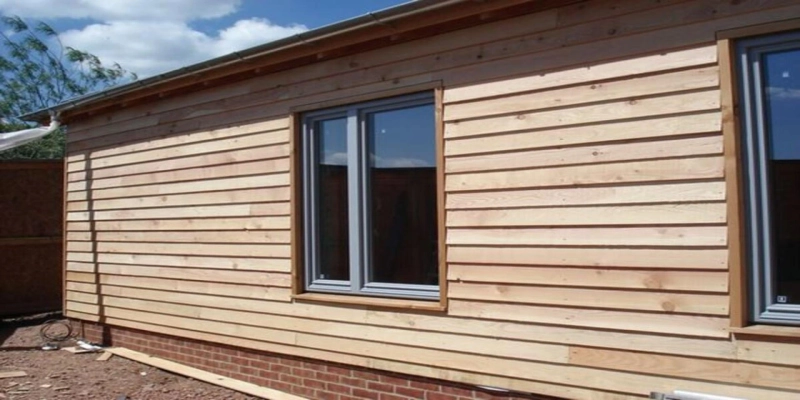
Timber cladding, a popular choice in both residential and commercial construction, offers a distinctive aesthetic and functional appeal. This article explores the advantages and disadvantages of timber cladding, highlighting its benefits as well as potential drawbacks.
Advantages of Timber Cladding
1. Natural Aesthetic Appeal: Timber cladding enhances the visual appeal of buildings with its natural warmth and texture. It creates a welcoming and organic appearance that blends well with various architectural styles, from traditional to contemporary.
2. Sustainability: Timber is a renewable resource, making timber cladding an environmentally friendly choice compared to non-renewable alternatives like brick or concrete. Responsible forestry practices ensure that timber used for cladding is sourced sustainably, minimizing environmental impact.
3. Insulation Properties: Timber has natural insulating properties, providing thermal efficiency when used as cladding. This can contribute to reduced heating and cooling costs over the building\'s lifespan, enhancing energy efficiency.
4. Versatility: Timber cladding comes in various profiles, finishes, and colors, offering architects and designers flexibility in achieving desired aesthetics. It can be stained, painted, or left untreated to weather naturally, providing customization options.
5. Lightweight and Easy to Install: Compared to masonry materials, timber cladding is lightweight, which simplifies handling and installation. This can lead to faster construction times and reduced labor costs.
6. Durability with Proper Maintenance: High-quality timber cladding, when properly maintained, can be durable and long-lasting. Regular treatments such as staining or oiling help protect against moisture, UV rays, and insect damage, ensuring longevity.
7. Natural Resistance to Noise: Timber has acoustic properties that can help reduce noise transmission, improving the comfort of indoor spaces.
8. Biophilic Benefits: Exposure to natural materials like timber has been linked to improved well-being and productivity, contributing to a healthier indoor environment.
Disadvantages of Timber Cladding
1. Initial Cost: Timber cladding may have a higher initial cost compared to some alternatives like vinyl or fiber cement. This cost can vary based on the type of timber selected and the complexity of installation.
2. Maintenance Requirements: While timber cladding can be durable, it requires regular maintenance to preserve its appearance and performance. This includes periodic cleaning, refinishing, and treatment to protect against moisture and pests.
3. Vulnerability to Moisture and Rot: Improper installation or lack of maintenance can lead to moisture ingress, which may cause timber cladding to warp, crack, or rot over time. Proper detailing and treatment are essential to mitigate these risks.
4. Fire Resistance: While some timbers offer inherent fire resistance, many require treatment to improve fire performance. This additional treatment adds to the cost and maintenance requirements of timber cladding.
5. Susceptibility to Insects: Certain types of timber are prone to insect infestations, such as termites or wood-boring beetles. Regular inspections and treatments are necessary to prevent damage.
6. Color Changes and Fading: Exposure to sunlight and weathering can cause timber cladding to change color over time. This natural weathering process may be desirable for some designs but can be a drawback if a uniform appearance is desired.
7. Dimensional Stability: Timber can expand or contract with changes in humidity and temperature, which may affect its dimensional stability over time. Proper installation techniques and detailing can help minimize these issues.
8. Environmental Concerns: While timber is renewable, concerns exist about deforestation and habitat loss associated with unsustainable forestry practices. Certification systems like FSC (Forest Stewardship Council) help ensure responsible sourcing.
Conclusion
Timber cladding offers a compelling blend of aesthetic appeal, sustainability, and insulation properties, making it a popular choice in building design. However, it comes with considerations such as maintenance requirements, initial costs, and susceptibility to environmental factors. By weighing these advantages and disadvantages, architects, builders, and homeowners can make informed decisions about whether timber cladding is the right choice for their projects. Ultimately, proper selection, installation, and maintenance are crucial to maximizing the benefits and longevity of timber cladding in construction.