



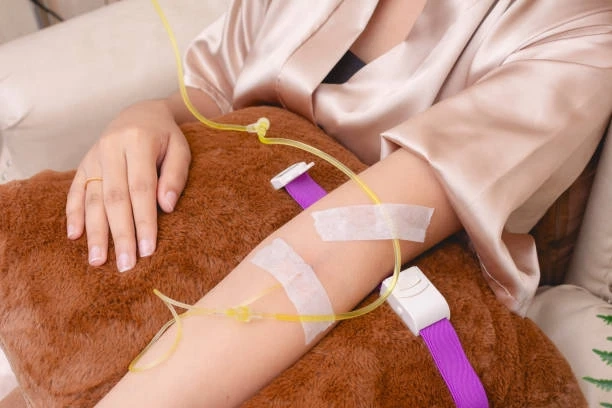
Intravenous Gluta drip therapy, where glutathione is delivered directly into the bloodstream, has become a major trend in wellness and aesthetic medicine. Marketed for skin brightening, detox, and anti‑aging, this treatment is featured widely on social media and in beauty clinics. But what does science actually say about its effectiveness and safety? Let’s break down the latest insights.
What Is Glutathione IV Therapy?
Glutathione is a naturally occurring antioxidant in the body that plays a key role in combating oxidative stress and regulating pigmentation. In IV therapy, glutathione is injected into the bloodstream with the goal of delivering higher bioavailability than oral or topical forms. Supporters claim this can lead to brighter, more even skin.
However, the clinical foundation for these cosmetic claims remains limited.
The Growing Trend: Why It’s Popular
Over the past several years, Gluta drips have spread from traditional wellness clinics into aesthetic practices worldwide, driven largely by:
- Social media influence promoting “quick skin brightening.”
- Popularity among celebrities and influencers.
- Perceived benefits such as instant radiance and glow.
Despite its trendiness, scientific evidence supporting IV Glutathione for skin lightening is very limited, and mostly based on small, short‑term studies.
Clinical Evidence: What Studies Show
Limited Efficacy for Skin Lightening
There is only one notable placebo‑controlled clinical trial investigating IV glutathione for skin tone improvement. In that study:
- Some participants receiving glutathione showed a trend toward lighter skin compared to placebo, but the results were not compelling or sustained.
- Improvements largely disappeared after treatment stopped, and many subjects experienced side effects.
Multiple reviews conclude that evidence for IV glutathione’s cosmetic effect is minimal, inconsistent, and not strong enough to justify routine use.
Safety Concerns and Regulatory Views
Serious Risks Reported
Although glutathione itself is a natural antioxidant, IV administration bypasses the body’s natural controls, and that carries risk. Reported concerns include:
- Liver and kidney dysfunction in some patients.
- Severe allergic reactions, including anaphylaxis.
- Lack of standardized dosing protocols — meaning clinics vary widely in how much and how often it’s given.
Regulatory Advisory and Warnings
In several countries, health authorities have issued warnings against using injectable glutathione for cosmetic use, stating that no regulatory approvals exist for this indication and that safety data are insufficient.
This reflects the fact that IV glutathione is primarily approved only for very specific medical uses, such as reducing side effects of certain chemotherapy drugs — not cosmetic skin lightening.
Comparison With Other Forms of Glutathione Use
Research suggests that oral and topical glutathione may have more consistent outcomes for skin goals than IV delivery:
- Oral supplementation in some controlled trials has been linked with modest decreases in melanin indices.
- Topical glutathione products have demonstrated positive effects on hyperpigmentation in certain clinical settings.
These routes also carry fewer systemic safety concerns than intravenous therapy.
Insights From Users and Real‑World Trends
Anecdotal reports online often reflect mixed experiences:
- Some people say they experienced enhanced brightness or glow after sessions, with effects fading over time.
- Others report little change in pigmentation even after multiple treatments, and warn about cost and maintenance requirements.
It’s important to weigh these subjective accounts against the objective limitations of clinical evidence.
Key Takeaways for Patients and Consumers
👩⚕️ Evidence Is Limited
Clinical support for IV glutathione as a reliable skin lightening or anti‑aging therapy is minimal and inconclusive.
⚠️ Safety Must Come First
Serious risks like liver stress and allergic reactions have been reported, and regulatory warnings highlight the absence of standardized safety data. BusinessMirror
📊 Effects Are Often Temporary
Even when benefits are reported, they tend to fade once treatment stops.
💡 Alternatives Exist
Oral and topical glutathione, plus traditional skincare ingredients like vitamin C, retinoids, and sunscreen, have more evidence‑backed profiles for skin improvement.
Conclusion
Gluta Drip IV therapy remains a popular and trendy option in the beauty and wellness world, but clinical and regulatory insights show the evidence is limited and safety concerns are significant. Anyone considering this therapy should consult a qualified healthcare professional, prioritize evidence‑based alternatives for skin improvement, and be wary of unregulated practices.