




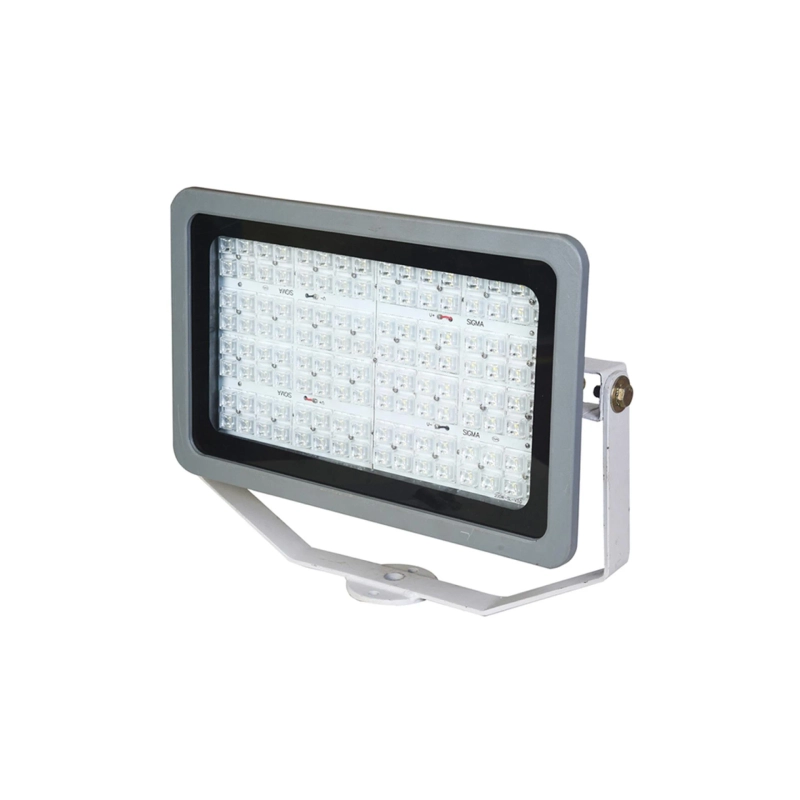
In recent years, LED lighting has taken India by storm and revolutionized how we illuminate our homes, offices, and public spaces. With their long lifespan, energy-saving capabilities, and vibrant illumination, it's no wonder that LED lights have become the go-to choice for millions nationwide. (Information Credit: Sigma Search Lights Ltd)
But behind this shining success story lies an arduous journey filled with obstacles and challenges Indian manufacturers face. From government regulations to technological advancements, they have encountered numerous roadblocks. Join us as we delve into the evolution of LED lighting in India and explore how manufacturers overcome these hurdles to pave a brighter future.
So grab your virtual hard hat and embark on a fascinating exploration through the triumphs and tribulations of Indian LED manufacturers. Get ready to discover how innovation is transforming light bulbs from mere commodities into sustainable beacons of hope!
Challenges Faced by Indian LED Manufacturers
The growth of the LED lighting industry in India has been rapid and promising. However, it has its fair share of challenges for manufacturers in the country. One of the significant obstacles faced by Indian LED manufacturers is intense competition from domestic and international players.
With increasing demand for energy-efficient lighting solutions, several companies have entered the market, leading to a saturation of options available to consumers. This makes it challenging for Indian manufacturers to stand out and differentiate their products from competitors.
Another significant challenge faced by Indian LED manufacturers is price sensitivity among consumers. While LEDs offer long-term cost savings due to their energy efficiency, they are still considered relatively expensive compared to traditional lighting options such as incandescent bulbs or CFLs. This price disparity often needs to be addressed for potential customers to invest in LED lighting.
Moreover, there are logistical hurdles that can hinder the manufacturing process. Sourcing raw materials and components required for production can sometimes take time due to limited availability or high costs. Additionally, ensuring quality control throughout manufacturing becomes crucial but can pose challenges if managed efficiently.
Furthermore, government regulations and policies related to product certifications and standards add complexities for manufacturers. Compliance with these regulations requires additional time and resources, impacting overall productivity.
Despite these challenges, Indian LED manufacturers have proactively found innovative solutions. They have focused on research and development efforts to enhance product quality while reducing costs through economies of scale.
Collaborations with international partners have also played a vital role in accessing advanced technology and expertise needed for improved manufacturing processes.
Government Regulations and Policies Impacting the Industry
Regarding the LED lighting industry in India, government regulations and policies play a crucial role in shaping its growth and development. The Indian government has recognized the potential of this sector and has implemented various initiatives to promote energy efficiency and sustainability through LED lighting.
A critical policy that has significantly impacted the industry is the Energy Conservation Building Code (ECBC), which mandates energy-efficient lighting solutions for commercial buildings. This policy ensures that new construction adheres to specific energy-saving guidelines, driving demand for LED lights.
Additionally, there are various other programs initiated by the government, such as the Unnat Jyoti by Affordable LEDs for All (UJALA) scheme, where consumers can purchase affordable LED bulbs at subsidized rates. This encourages people to switch from traditional incandescent bulbs and supports domestic manufacturers by creating a more extensive customer base.
Furthermore, under the Ministry of Power, the Bureau of Energy Efficiency (BEE) has introduced star-rating labels for LED products based on their energy efficiency levels. This labelling system helps consumers make informed choices while purchasing LED lights, promoting competition among manufacturers to produce more efficient products.
Moreover, several tax incentives have been provided by the government to support domestic manufacturing of LED lights. These include exemptions from customs duty on imported components used in manufacturing LEDs and reduced excise duty rates on finished LED products. Such measures aim to boost local production capacity and reduce dependence on imports.
While these regulations and policies have undoubtedly positively impacted the promotion of energy-efficient lighting solutions in India, challenges still exist. Implementation issues, lack of awareness among consumers about these schemes, and counterfeit products flooding the market - all pose obstacles that need to be addressed collectively by manufacturers and regulatory bodies alike.
Technological Advancements and Innovations in LED Lighting
Technological advancements have played a significant role in the evolution of LED lighting, revolutionizing how we illuminate our spaces. Over the years, Indian manufacturers have been at the forefront of integrating innovative technologies to enhance the performance and efficiency of LED lights.
One notable innovation is the development of innovative LED lighting systems. These intelligent solutions allow users to control their lights remotely through mobile applications or voice commands. With dimming options and colour-changing capabilities, bright LEDs offer customizable lighting experiences that cater to individual preferences.
Another breakthrough in LED technology is the introduction of organic light-emitting diodes (OLEDs). Unlike traditional LEDs, OLEDs are made from organic materials that emit light when an electric current passes through them. This flexible and ultra-thin lighting solution has opened up new possibilities for designers and architects to create unique lighting installations.
Furthermore, advancements in thermal management techniques have addressed one of the key challenges faced by LED manufacturers – heat dissipation. By incorporating efficient heat sinks and thermal interface materials into their designs, manufacturers have significantly improved the lifespan and performance of LED lights.
Researchers are also exploring nanotechnology as a means to enhance LED efficiency further. Nanoparticles can improve light extraction efficiency from LEDs, resulting in brighter illumination while reducing energy consumption.
Additionally, miniaturization has been another focus area for technological advancements in LED lighting. Manufacturers continually strive to make smaller yet more powerful LEDs that can be seamlessly integrated into various applications, such as automotive headlights or wearable devices.
The continuous innovations in LED technology offer improved functionality and contribute towards sustainability efforts. Energy-efficient features like motion sensors and daylight harvesting enable optimal power usage without compromising illumination quality.
As Indian manufacturers embrace these technological advances and drive innovation within the industry, it paves the way for energy-efficient and sustainable lighting solutions to become commonplace across residential, commercial, and industrial sectors.
Sustainability and Energy Efficiency Benefits of LED Lighting
Sustainability and energy efficiency are two crucial aspects that have led to the widespread adoption of LED lighting in India. The benefits offered by LED lights in terms of sustainability and energy conservation are significant.
LED lights consume much less energy compared to traditional incandescent bulbs. This translates into lower electricity bills for consumers and reduced strain on the power grid. With rising concerns about climate change and depleting natural resources, this energy efficiency characteristic of LED lighting is a significant advantage.
LED lights have a longer lifespan than conventional bulbs. They can last up to 25 times longer, reducing the need for frequent replacements. This saves money and helps reduce waste generated from discarded light bulbs.
Furthermore, LEDs do not contain harmful substances like mercury, commonly found in fluorescent lamps. As a result, they are environmentally friendly and pose no threat when disposed of properly.
In addition to their sustainability benefits, LED lights offer improved light quality with better colour rendering capabilities. They provide brighter illumination while consuming less power compared to other lighting technologies.
Given these advantages, it's no wonder that more Indian households and businesses are embracing LED lighting solutions as they seek cost savings and environmental responsibility.
As technology continues to advance rapidly in this industry, we can expect even more significant strides towards sustainability with further improvements in energy efficiency and eco-friendly manufacturing processes.
Steps Taken by Indian Manufacturers to Overcome Obstacles
In their quest to overcome the obstacles faced in the LED lighting industry, Indian manufacturers have implemented several strategic steps. One such step is investing in research and development (R&D) initiatives. By focusing on R&D, manufacturers can develop innovative solutions that address specific challenges and improve the overall quality of LED products.
Additionally, manufacturers collaborate with technology partners to leverage their expertise and access cutting-edge technologies. This collaboration allows them to stay updated with the latest developments in LED lighting, enabling them to produce high-quality products that meet international standards.
Furthermore, Indian manufacturers are placing a strong emphasis on automation and process optimization. Streamlining production processes and adopting automated manufacturing techniques can increase efficiency while reducing costs. This not only helps in meeting the growing demand but also ensures consistent product quality.
Another crucial step these manufacturers take is enhancing their supply chain management systems. They work closely with suppliers to ensure a steady flow of raw materials and components required for LED production. This proactive approach minimizes delays and disruptions caused by supply chain issues.
Moreover, Indian manufacturers actively participate in trade shows, exhibitions, and industry conferences domestically and internationally. These events provide valuable networking opportunities where they can showcase their capabilities, gain insights from industry experts, forge partnerships, and explore new market avenues.
Lastly, yet importantly, these manufacturers focus on expanding their distribution networks across different regions within India and globally. By establishing robust sales channels and strengthening customer relationships through effective after-sales support services, they aim to increase market penetration while ensuring customer satisfaction.
Through these concerted efforts, Indian LED light manufacturers have shown resilience amidst challenges while striving towards growth & success!
Future Outlook for the LED Lighting Industry in India
As we look towards the future, the outlook for the LED lighting industry in India appears promising. Despite the obstacles Indian manufacturers face, an undeniable momentum drives this sector forward. The government's push towards energy efficiency and sustainability, coupled with technological advancements and innovations, has created a favourable environment for growth.
The demand for LED lighting solutions is expected to continue rising as more consumers become aware of their benefits. With increased affordability and availability, LEDs are becoming increasingly popular across various residential, commercial, industrial, and outdoor lighting sectors.
Moreover, Indian LED manufacturers have proactively overcome challenges by focusing on research and development to improve product quality and performance. Local players also embrace automation and adopt advanced manufacturing techniques to enhance productivity and reduce costs.
Additionally, collaborations with international companies have allowed Indian manufacturers like Sigma Search Lights to gain knowledge transfer and access new markets globally. This exchange of expertise will further propel the industry's growth in India.
Furthermore, government initiatives like "Make in India" encourage domestic production of LED lights through incentives such as tax exemptions or reduced duties on raw materials. These policies aim to attract foreign investments while simultaneously empowering local businesses.