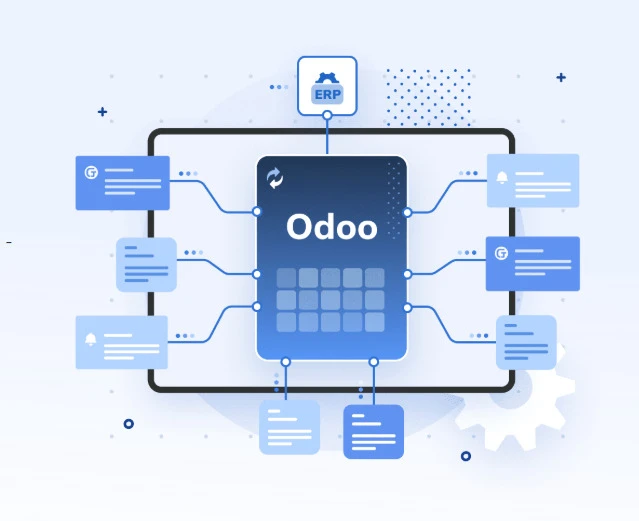

Enterprise Resource Planning (ERP) has evolved dramatically over the past few decades, transforming from simple inventory and accounting systems to comprehensive solutions that integrate every facet of a business. As organizations strive to remain competitive in an increasingly complex global market, the demand for ERP software that is flexible, scalable, and capable of supporting digital transformation initiatives has never been higher. Among the leaders in this space, Odoo ERP software stands out as a game-changer, shaping the future of enterprise management. In this article, we explore why Odoo is at the forefront of ERP innovation and what the future holds for businesses adopting this powerful platform.
The Evolution of ERP Systems
ERP systems were originally designed to automate basic business processes such as accounting, payroll, and inventory management. Early ERP solutions were often rigid, expensive, and required significant IT resources to implement and maintain. Companies faced challenges with integration, scalability, and customization, limiting the potential impact of these systems on business performance.
However, the landscape has shifted dramatically. Today’s ERP systems are cloud-based, modular, and designed for adaptability. Modern ERPs like Odoo provide organizations with tools to manage everything from customer relationship management (CRM) and human resources to supply chain operations and project management. This shift reflects a broader trend toward intelligent business software that not only records transactions but also provides actionable insights.
Why ERP is Critical for Modern Businesses
ERP software serves as the backbone of business operations, offering a centralized system where data flows seamlessly between departments. The benefits are clear:
- Operational Efficiency: ERP automates routine tasks, reducing manual errors and freeing employees to focus on strategic initiatives.
- Real-Time Data Access: With centralized data, decision-makers gain real-time insights, enabling faster and more informed choices.
- Improved Collaboration: Departments can share information effortlessly, reducing silos and enhancing teamwork.
- Scalability: Modern ERP systems grow with your business, accommodating new users, processes, and business units without major disruptions.
- Compliance and Security: ERP software ensures data integrity, regulatory compliance, and robust security protocols, essential for industries handling sensitive information.
Odoo ERP Software: A Leader in Modern ERP Solutions
While there are numerous ERP solutions on the market, Odoo ERP software distinguishes itself through its combination of flexibility, user-friendliness, and affordability. Its modular structure allows businesses to implement only the applications they need, such as accounting, inventory, CRM, e-commerce, or manufacturing, and then expand functionality as they grow. This modularity minimizes implementation time and costs, providing a significant advantage over traditional monolithic ERP systems.
Odoo’s open-source architecture also provides unparalleled customization capabilities. Organizations can tailor the software to their specific workflows without relying entirely on third-party vendors. For businesses with unique operational needs, this level of flexibility is invaluable.
Furthermore, Odoo continuously evolves, incorporating emerging technologies such as artificial intelligence (AI), machine learning, and automation. These features enable predictive analytics, smarter inventory management, and personalized customer experiences—all essential for businesses navigating the digital era.
Key Features Driving Odoo ERP Software Adoption
Several features contribute to the growing adoption of Odoo ERP software:
- Comprehensive Modules: Odoo offers a suite of over 30 core applications covering all essential business functions. This modular approach allows organizations to adopt the system gradually, reducing implementation risks.
- User-Friendly Interface: The intuitive design of Odoo ensures that employees at all levels can navigate the system efficiently, reducing training time and increasing adoption rates.
- Cloud and On-Premise Deployment: Odoo supports both cloud-based and on-premise deployments, giving businesses the flexibility to choose the model that best fits their IT strategy.
- Integration Capabilities: Odoo easily integrates with third-party applications, enabling seamless communication between the ERP system and other critical business tools such as e-commerce platforms, payment gateways, or marketing software.
- Cost-Effective Pricing: Compared to traditional ERP solutions, Odoo provides an affordable alternative without compromising functionality, making it accessible for small and medium-sized enterprises (SMEs) as well as large corporations.
The Role of Digital Transformation in ERP Evolution
The future of ERP is closely tied to digital transformation. Businesses today are not only seeking efficiency but also agility, innovation, and the ability to leverage data as a strategic asset. Odoo ERP software supports these goals by offering:
- AI-Driven Insights: AI modules can analyze trends in sales, inventory, and customer behavior, helping companies make proactive decisions.
- Automation of Repetitive Tasks: Automated workflows in Odoo streamline processes like invoice generation, order management, and lead tracking, saving time and reducing errors.
- Omnichannel Capabilities: Businesses can integrate sales channels, marketing campaigns, and customer service into a unified platform, providing a seamless customer experience.
- Mobile Accessibility: With mobile-friendly applications, managers and employees can access critical business information on the go, enabling faster response times and improved operational oversight.
Odoo ERP Software and Small to Medium Enterprises (SMEs)
While large corporations often dominate discussions around ERP, SMEs are increasingly turning to Odoo for its affordability and adaptability. SMEs face unique challenges, such as limited budgets, fewer IT resources, and rapidly changing market conditions. Odoo’s modular system allows these businesses to implement core functions first—such as accounting, sales, and inventory management—and expand as their needs evolve.
Moreover, Odoo’s community-driven ecosystem provides SMEs with access to a wealth of plugins, third-party integrations, and expert support from global partners. This community support lowers the barrier to entry, enabling smaller businesses to leverage the same advanced ERP capabilities that were once exclusive to enterprise-level organizations.
Industry-Specific Adaptations
Another key strength of Odoo ERP software is its ability to adapt to industry-specific requirements. Whether a company operates in manufacturing, retail, healthcare, or e-commerce, Odoo provides tailored modules that address unique operational challenges. Examples include:
- Manufacturing: Bill of materials management, production planning, and quality control.
- Retail: Point-of-sale integration, inventory optimization, and loyalty program management.
- Healthcare: Patient management, compliance tracking, and appointment scheduling.
- E-commerce: Seamless integration with online stores, automated order processing, and marketing tools.
By offering specialized solutions, Odoo enables organizations to improve efficiency while meeting the unique demands of their sector.
Predicting the Future of ERP with Odoo
As businesses continue to embrace digital transformation, the role of ERP systems will only grow in importance. The future of ERP is likely to feature:
- Increased AI and Analytics Integration: Predictive analytics, intelligent forecasting, and automated decision-making will become standard components of ERP systems.
- Greater Cloud Adoption: Cloud-based ERPs will dominate, offering scalability, cost savings, and remote accessibility.
- Enhanced User Experience: Intuitive interfaces, mobile-first design, and personalized dashboards will drive user adoption.
- IoT and ERP Convergence: Internet of Things (IoT) devices will feed real-time data into ERP systems, enabling more responsive and efficient operations.
- Sustainability and Compliance Features: ERP systems will increasingly support businesses in tracking sustainability metrics, regulatory compliance, and ESG (Environmental, Social, and Governance) initiatives.
Odoo ERP software is well-positioned to lead these trends. Its flexibility, modularity, and openness to innovation ensure that businesses adopting Odoo are not just keeping pace with the present—they are preparing for the future.
Conclusion
The future of Enterprise Resource Planning is bright, driven by the need for integrated, intelligent, and adaptive business management solutions. Odoo ERP software exemplifies the next generation of ERP systems, offering modular, cost-effective, and highly customizable solutions that cater to businesses of all sizes. By embracing Odoo, companies can enhance operational efficiency, improve decision-making, and position themselves for sustained growth in an increasingly competitive marketplace.
Businesses that invest in modern ERP solutions today are not just optimizing their operations—they are building the foundation for long-term success, resilience, and innovation. Odoo’s forward-thinking approach ensures that organizations are ready to meet the challenges of tomorrow, today.

























Sign in to leave a comment.