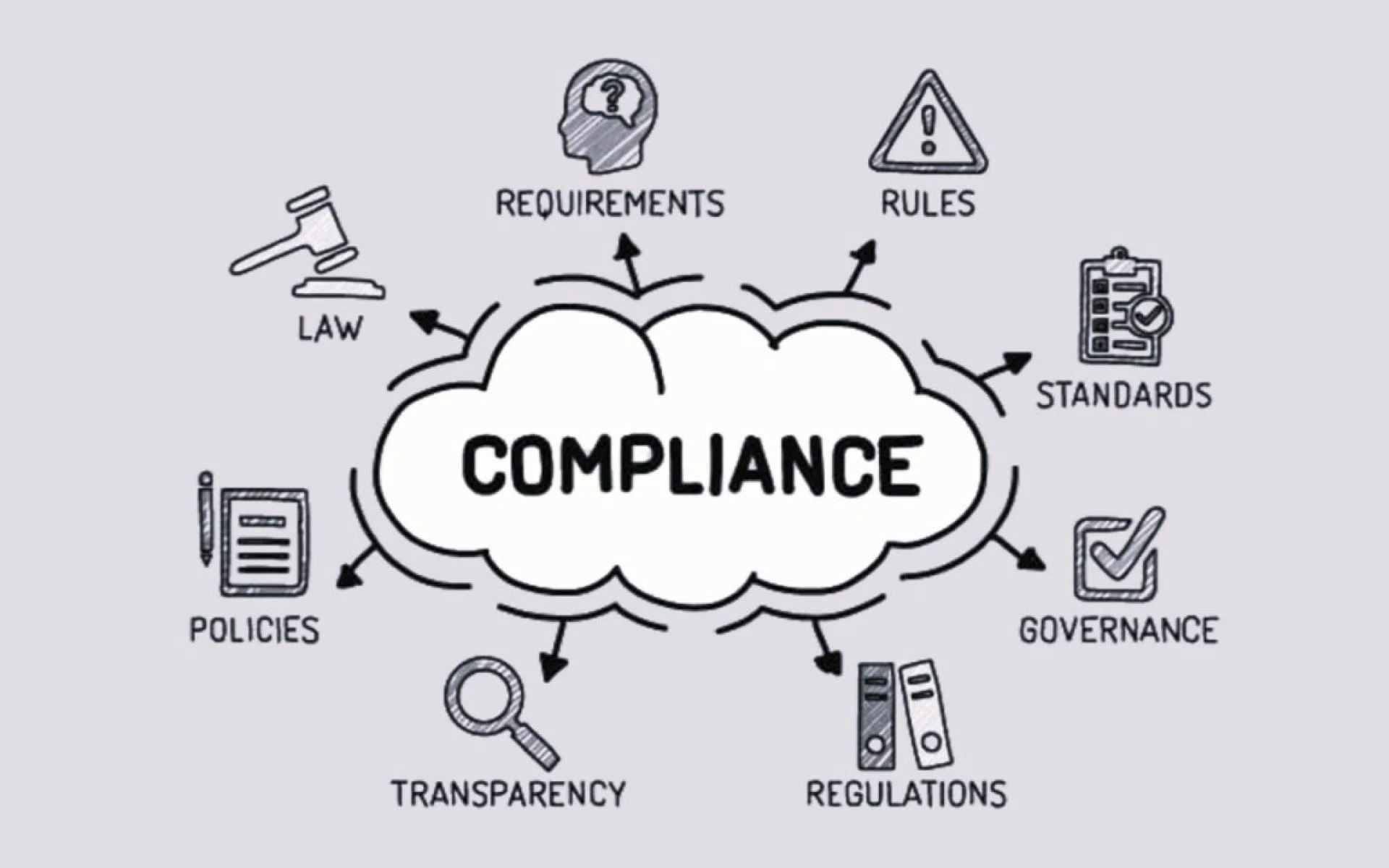

Compliance has moved far beyond routine filings and checklists. For Indian companies, regulatory adherence now shapes reputation, investment readiness, and long term stability. As laws grow more complex and enforcement becomes more active, businesses are rethinking how compliance is designed and implemented.
Structured compliance frameworks are emerging as a core element of corporate governance in India. They offer consistency, accountability, and visibility across business operations. Companies no longer view compliance as a reactive exercise. It is increasingly treated as a strategic function with board level attention.
This article examines why structured compliance frameworks are gaining importance and how they are reshaping governance practices across Indian enterprises.
From Informal Compliance to System Driven Governance
Many Indian companies once relied on fragmented compliance practices. Individual departments handled filings and regulatory obligations in isolation. Knowledge often sat with specific employees rather than within systems.
This approach worked in a simpler regulatory environment. Today, it creates risk. Laws overlap across sectors. Regulators share information. Penalties escalate quickly.
Structured frameworks replace ad hoc methods with defined processes. They centralise responsibility and create clear reporting lines. Compliance becomes predictable rather than personality driven.
Rising Regulatory Complexity in India
India has seen rapid regulatory expansion across corporate law, labour law, data protection, environmental norms, and sector specific regulation. Amendments and new rules arrive frequently.
Keeping pace through informal methods has become impractical. Missed updates lead to violations even where intent remains compliant.
Structured frameworks help companies map applicable laws, assign ownership, and track changes systematically. This reduces reliance on memory and improves accuracy.
Greater Enforcement and Accountability
Regulatory enforcement has become more assertive. Authorities now expect documented systems, not just technical compliance.
Directors and senior management face personal exposure for governance failures. Regulators often ask how compliance is monitored, not merely whether a form was filed.
Structured compliance frameworks provide evidence of due care. They show regulators and stakeholders that compliance forms part of organisational culture rather than an afterthought.
Investor and Lender Expectations
Investors increasingly assess governance quality before committing capital. Compliance failures affect valuation and deal timelines.
Private equity funds, institutional investors, and lenders review internal controls closely. Weak compliance frameworks raise concerns around risk management.
Companies with structured compliance systems inspire confidence. They signal maturity and readiness for growth. This is one reason why boards seek advice from compliance, governance and policy documents lawyers in India when formalising internal frameworks.
Board Level Oversight and Governance Culture
Compliance has moved into the boardroom. Boards now receive regular compliance reports and risk assessments.
Structured frameworks support this oversight. They define escalation mechanisms and reporting formats. Boards gain clarity on exposure and remedial action.
This visibility strengthens governance culture. Compliance becomes a shared responsibility rather than a delegated task.
Standardisation Across Business Units
Large organisations often operate across states and sectors. Compliance obligations vary by location and activity.
Without structure, practices differ widely between units. This inconsistency creates gaps and confusion.
Frameworks introduce standard policies and procedures while allowing local adaptation. This balance supports control without stifling operations.
Integration of Policies and Procedures
Policies form the backbone of compliance. Codes of conduct, whistle blower policies, and internal guidelines translate law into practical conduct.
Structured frameworks ensure policies remain updated and accessible. They link policies to training and enforcement mechanisms.
Disconnected policies lose relevance. Integrated frameworks ensure policies guide behaviour in real situations.
Role of Technology in Compliance Frameworks
Technology now plays a central role in compliance management. Digital tools track deadlines, generate alerts, and store records securely.
Structured frameworks leverage technology to improve accuracy and audit readiness. Manual tracking becomes unsustainable as scale increases.
Automation also reduces dependency on individuals. Knowledge remains within systems even when teams change.
Risk Based Compliance Approach
Not all risks carry equal weight. Structured frameworks allow companies to prioritise based on risk exposure.
High risk areas receive greater attention and resources. Low risk obligations follow streamlined processes.
This risk based approach improves efficiency and supports strategic decision making.
Training and Awareness as Core Elements
Compliance frameworks succeed only when employees understand them. Training forms a critical component.
Structured frameworks link training programmes to specific obligations and roles. Employees know what applies to them and why.
This clarity reduces accidental breaches and promotes accountability.
Managing Third Party and Vendor Risk
Compliance exposure often arises through third parties. Vendors, agents, and consultants act on behalf of companies.
Structured frameworks extend compliance expectations beyond internal teams. They include due diligence, contractual controls, and monitoring.
This holistic approach reduces reputational and legal risk linked to third party conduct.
Mergers, Acquisitions, and Compliance Readiness
Transactions expose compliance weaknesses quickly. Due diligence teams examine regulatory history, policies, and controls.
Companies with structured frameworks navigate transactions more smoothly. Documentation exists. Processes are clear.
Engaging a Regulatory and Compliance Due Diligence law firm in India helps businesses test and strengthen frameworks before scrutiny intensifies.
Sector Specific Compliance Demands
Different sectors face distinct regulatory landscapes. Financial services, manufacturing, technology, and healthcare each carry unique obligations.
Structured frameworks allow customisation within a common governance structure. This avoids duplication while ensuring relevance.
Sector awareness strengthens overall compliance maturity.
Cultural Shift Towards Preventive Compliance
The most significant change lies in mindset. Compliance is shifting from reactive correction to preventive governance.
Structured frameworks support early identification of issues. Remedial action occurs before violations escalate.
This approach saves cost and protects reputation.
Long Term Business Sustainability
Compliance failures disrupt operations and erode trust. Sustainable growth depends on stable governance foundations.
Structured compliance frameworks provide this foundation. They support resilience during regulatory change and business expansion.
Companies investing in compliance today protect value tomorrow.
Conclusion
Structured compliance frameworks are playing a growing role in Indian companies due to regulatory complexity, enforcement intensity, and stakeholder expectations. Informal methods no longer suffice in a dynamic legal environment.
Frameworks bring consistency, visibility, and accountability. They support board oversight, investor confidence, and operational discipline.
As Indian businesses scale and globalise, compliance becomes a strategic asset rather than an administrative burden. Companies that embrace structured frameworks position themselves for long term credibility and sustainable growth.
























Sign in to leave a comment.