
In today’s fast-paced, interconnected world, many businesses operate across multiple locations, such as retail chains, restaurant franchises, healthcare facilities, or hotel groups. While decentralized management structures may have worked in the past, the modern security landscape demands a more integrated approach—one that ensures the safety and security of assets, employees, and customers across all sites. This is where centralized chain security management comes into play.
Centralized security management involves consolidating security operations, protocols, and technologies under a single, unified control system. Instead of each location operating independently with its own security measures, centralized management allows for a more consistent, cohesive approach to handling threats, incidents, and risk mitigation strategies across all properties in the chain. The importance of centralized chain security management is especially evident for businesses with multiple locations that require efficient, real-time oversight and response to security challenges. This blog explores why centralized security is essential for large organizations and how it enhances safety, operational efficiency, and risk management.
Consistency in Security Policies and Procedures
One of the greatest advantages of centralized security management is the ability to implement consistent security policies and procedures across all locations in a chain. Whether you operate a national retail chain, a series of hotel properties, or a network of healthcare facilities, uniformity in security standards is essential to ensure that all sites follow the same high-level protocols. This includes everything from access control to emergency response plans and incident reporting.
When security policies are standardized, it ensures that employees across the chain are trained in the same procedures, minimizing confusion and ensuring smooth operations in case of a security threat. For instance, if an employee is transferred from one location to another, they can seamlessly adapt to the security protocols because the policies are identical across all sites. Similarly, customers will have a consistent experience, knowing that their safety is being handled with the same level of care no matter which location they visit. Centralized management also allows for the standardization of security technologies, such as surveillance cameras, alarm systems, and access controls, which ensures compatibility and reduces the risk of gaps in coverage across sites. This consistency helps businesses manage security with fewer errors, streamlined processes, and a unified response to incidents.
Real-Time Monitoring and Incident Response
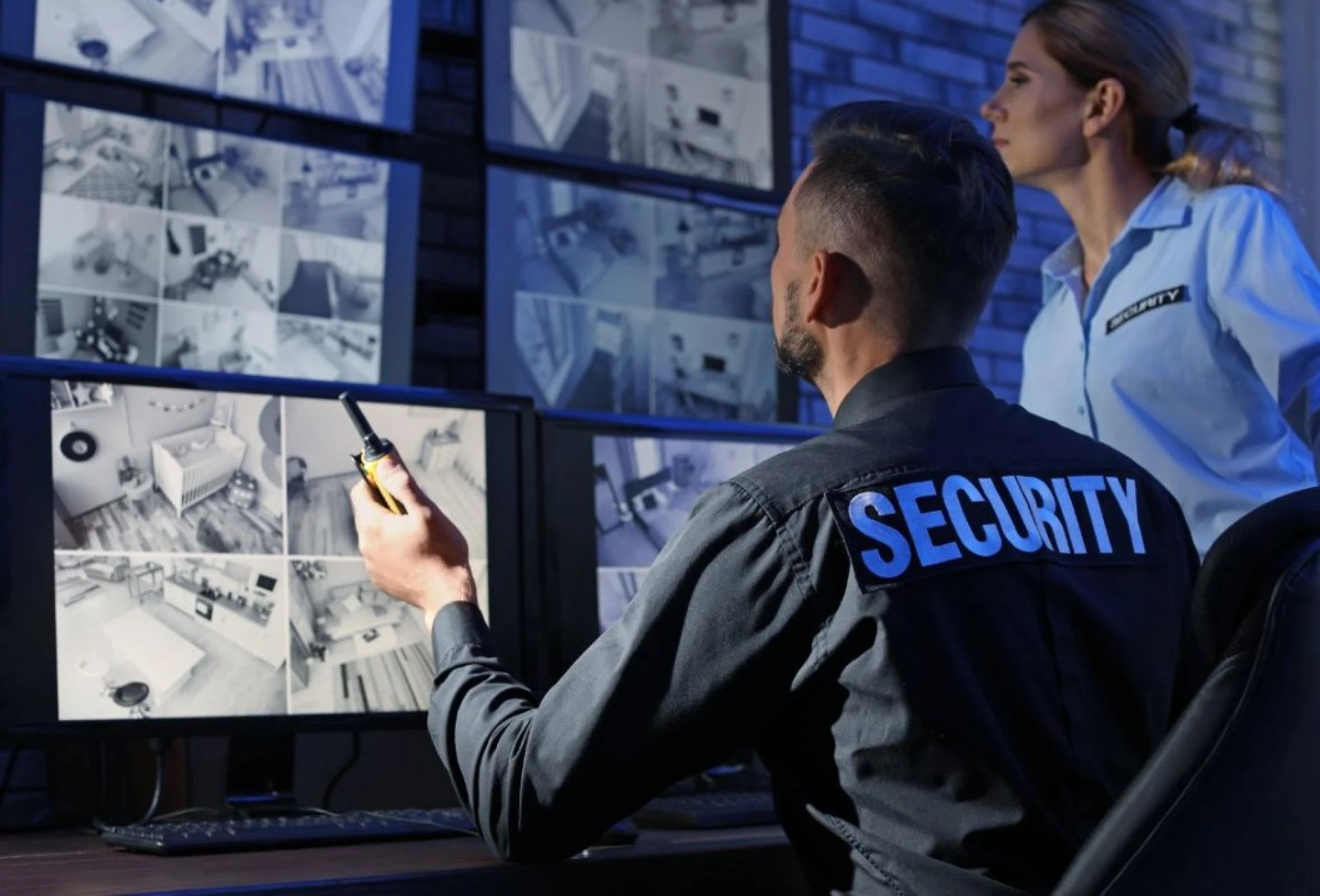
With centralized security management, security teams can monitor multiple locations in real-time from a single control center, enhancing the ability to respond quickly to incidents. This approach eliminates the need for site-specific security teams to work in isolation, which can often lead to delayed responses and uncoordinated actions in case of a crisis. Centralized monitoring systems allow security personnel to oversee activities at all locations simultaneously, providing them with a holistic view of potential threats and incidents.
For example, in a retail chain, if a security breach occurs at one store, security personnel in the control room can instantly view surveillance footage, access alarm systems, and assess the situation from all other stores. They can then quickly dispatch on-site security personnel, alert law enforcement, or trigger automated security responses such as locking doors or activating alarms. This level of oversight significantly improves incident response times, which can make a crucial difference in preventing further damage, loss, or injury. Real-time monitoring also allows for predictive security measures. By tracking patterns of suspicious activity across multiple locations, centralized security teams can identify emerging threats before they escalate into serious problems. This proactive approach reduces the risk of criminal activity and helps businesses stay one step ahead.
Efficient Resource Allocation and Cost Savings
Centralized chain security management can lead to more efficient allocation of resources, reducing both operational costs and security-related expenses. When security functions are centralized, businesses can standardize the acquisition of security technologies and services, resulting in volume discounts, more affordable maintenance contracts, and fewer overhead costs. Rather than purchasing individual security systems and services for each location, centralized management allows for bulk purchases and centralized service contracts, leading to substantial cost savings.
Furthermore, centralized security management makes it easier to allocate resources where they are most needed. For example, if one location is experiencing a higher-than-usual level of foot traffic or heightened risk due to a local issue (like a nearby construction project or increased criminal activity in the area), security personnel from other locations can be reassigned or additional surveillance equipment can be deployed as needed. This flexible, dynamic resource allocation improves the overall efficiency of the security program while optimizing the use of manpower and equipment.
Streamlined Incident Reporting and Documentation
A key advantage of centralized chain security management is the ability to streamline incident reporting and documentation. In large organizations with multiple locations, incidents such as thefts, break-ins, or medical emergencies may happen frequently. Without a centralized system, managing these reports can become cumbersome and disjointed, with each location maintaining its own set of records and reporting protocols.
Centralized management allows for uniform incident reporting systems, making it easier to document, track, and analyze security events across all locations. Every incident, from minor infractions to major security breaches, can be logged into a central database in real-time. This centralized system ensures that records are consistent, accurate, and easily accessible for future analysis, audits, or insurance claims.
Moreover, centralized reporting simplifies the process of identifying trends in security incidents. By reviewing aggregated data across locations, businesses can detect patterns or recurring security issues that might otherwise go unnoticed. This can help organizations address systemic vulnerabilities, improve security protocols, and refine their risk mitigation strategies.
Improved Communication Across Locations
Effective communication is critical in any organization, especially when it comes to security. In decentralized security management, communication between locations may be disjointed, leading to miscoordination, misunderstandings, and delayed responses. With centralized security management, communication between all sites becomes more streamlined, ensuring that information flows quickly and accurately between departments.
For example, if an active threat is identified at one location, the centralized security team can quickly disseminate alerts to other locations to increase vigilance or implement precautionary measures. Additionally, real-time communication allows for better coordination between security personnel and other departments, such as facilities management, human resources, or IT. This ensures that any security issues are addressed comprehensively, with all relevant parties involved in the response.
Compliance and Risk Management
In many industries, businesses are required to comply with a variety of regulatory standards related to security and risk management. These may include data protection laws, health and safety regulations, and local ordinances that govern the protection of employees and customers. Centralized security management makes it easier for businesses to stay compliant by enforcing consistent policies and procedures across all locations. With a centralized approach, businesses can more easily monitor compliance with industry standards, track audits, and ensure that all locations are meeting legal and regulatory requirements. In the event of an audit or investigation, having a centralized system of records and documentation ensures that the business can quickly provide the necessary information and demonstrate adherence to relevant regulations.
Moreover, centralized management enables better risk assessment and mitigation. By evaluating security threats, vulnerabilities, and incidents across all locations, businesses can identify systemic risks and implement preventative measures to reduce the likelihood of future problems. This reduces potential legal liabilities and protects the business from reputational damage.
Enhanced Customer Experience and Trust
Ultimately, the goal of security is not just to protect assets but to foster an environment where employees and customers feel safe and valued. Centralized security management helps ensure that customer-facing aspects of security, such as guest check-ins, surveillance, or access controls, are consistent and reliable across all locations. This can be particularly important in industries like hospitality, retail, or healthcare, where customers expect a certain level of safety and privacy.
When customers feel secure, they are more likely to return, recommend the business to others, and develop trust in the brand. A consistent, seamless security experience across all locations helps build that trust. Whether customers are shopping in a retail store, checking into a hotel, or visiting a healthcare facility, knowing that security is managed in a centralized and efficient manner helps enhance their overall experience.
Conclusion: The Future of Centralized Chain Security Management
As businesses grow and expand across multiple locations, the need for centralized chain security management becomes increasingly clear. A unified, integrated security system not only streamlines operations and reduces costs but also enhances the safety of employees, customers, and assets across all sites. By providing real-time monitoring, standardized policies, and better communication, centralized security management helps organizations respond swiftly to threats, maintain compliance, and ultimately foster a secure environment for everyone involved.
As technology continues to evolve, centralized security systems will likely become even more sophisticated, with the integration of AI, machine learning, and predictive analytics. These advancements will allow businesses to further enhance their security measures, reduce risks, and provide even better protection for their customers and employees. In an increasingly complex security landscape, businesses that adopt centralized management will be better positioned to meet emerging threats and protect what matters most.

























Sign in to leave a comment.