
What Is Aluminium Dross Recycling?
Have you ever considered what happens to the by-products generated during the extraction of valuable minerals? One of the most widely recyclable metals in our environment is aluminium scrap. Aluminium is produced from alumina through the Hall–Héroult process, commonly known as aluminium smelting. During this process, a significant by-product known as aluminium dross is generated.
Aluminium dross recycling plays a critical role in promoting circular economy practices and sustainable development. By adopting efficient recycling methodologies, valuable metal content can be recovered while reducing environmental harm. For organizations seeking expert guidance, waste management and recycling consultants can provide tailored solutions for effective dross processing.
Understanding Aluminium Dross
Aluminium dross is a mass of solid impurities that forms on the surface of molten aluminium during melting or refining operations. It occurs when molten aluminium reacts with atmospheric oxygen, creating an oxide film that floats to the surface and is mechanically removed. Dross typically contains a mixture of metallic aluminium and non-metallic compounds such as alumina (Al₂O₃), aluminium nitride, carbides, metal oxides, and salts used as fluxes in smelter plants.
On average, aluminium dross accounts for approximately 1–2% of total aluminium production and contains 30–70% recoverable aluminium by weight. For every tonne of aluminium produced, about 10–20 kg of dross is generated. Globally, annual aluminium production of around 65 million tonnes results in nearly 1 million tonnes of aluminium dross. In India alone, approximately 100,000 tonnes are produced each year. The environmental impact of unmanaged dross disposal is therefore a global concern that requires urgent attention.
Types and Formation Mechanism
Aluminium dross can be classified as either wet or dry, and more commonly as white dross or black dross, depending on its origin and composition.
White Dross
White dross is generated during primary aluminium smelting and contains a high proportion of metallic aluminium, typically ranging from 15% to 75%. It consists mainly of aluminium metal and alumina (Al and Al₂O₃), has relatively low salt content, and appears as a fine powder separated from molten aluminium. White dross is considered less hazardous compared to black dross.
Black Dross
Black dross is produced during secondary aluminium refining processes, particularly when recycled aluminium is melted using chloride salt fluxes. It contains lower metallic aluminium content, usually in the range of 12–18%, and significantly higher salt content, often exceeding 40%. Black dross is a mixture of aluminium oxides, slag, and salts, making it more hazardous and challenging to process.
Secondary or coarse-grain dross typically contains 5–20% metallic aluminium by weight and exhibits higher salt content and gas expansion than primary dross. Its bulk density ranges between 0.79 and 1.11 g/cm³. As metallic aluminium content increases, bulk density decreases due to aluminium’s lower specific gravity compared to its oxide form.
Aluminium Dross Recycling Process
Aluminium dross recycling focuses on recovering residual aluminium metal and converting the remaining material into usable by-products, such as aluminium oxide. Mechanical recycling is the most common approach. In hot dross processing, the dross is crushed and then separated into metal-rich and oxide-rich fractions, usually based on density differences. The metal-rich particles are remelted in a furnace to recover aluminium without chemically reducing aluminium oxides.
It is important to distinguish aluminium dross recycling from conventional aluminium recycling. Aluminium recycling involves remelting previously used aluminium products into new ingots, whereas aluminium dross recycling deals specifically with a by-product of the smelting process.
Environmental Importance of Recycling Aluminium Dross
Aluminium dross is classified as a hazardous waste due to its potential to release toxic substances that can contaminate soil and groundwater. Improper dumping poses serious risks to plants, living organisms, and the broader environment. Recycling aluminium dross is therefore not only an economic opportunity but also an environmental necessity.
Recovered aluminium oxide and other by-products can be used in various industrial applications, reducing the need for virgin raw materials. By recycling aluminium dross, industries can minimize waste, recover valuable resources, and maintain a sustainable balance between industrial development and environmental protection.
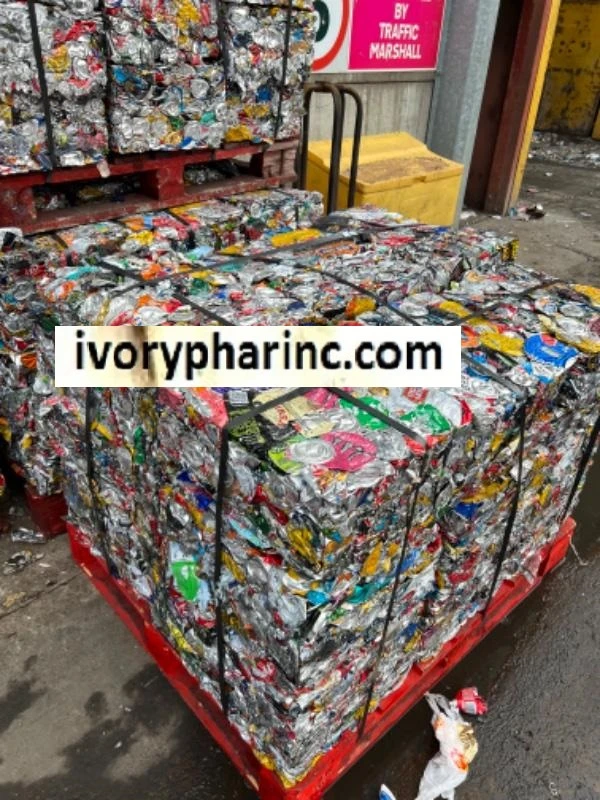
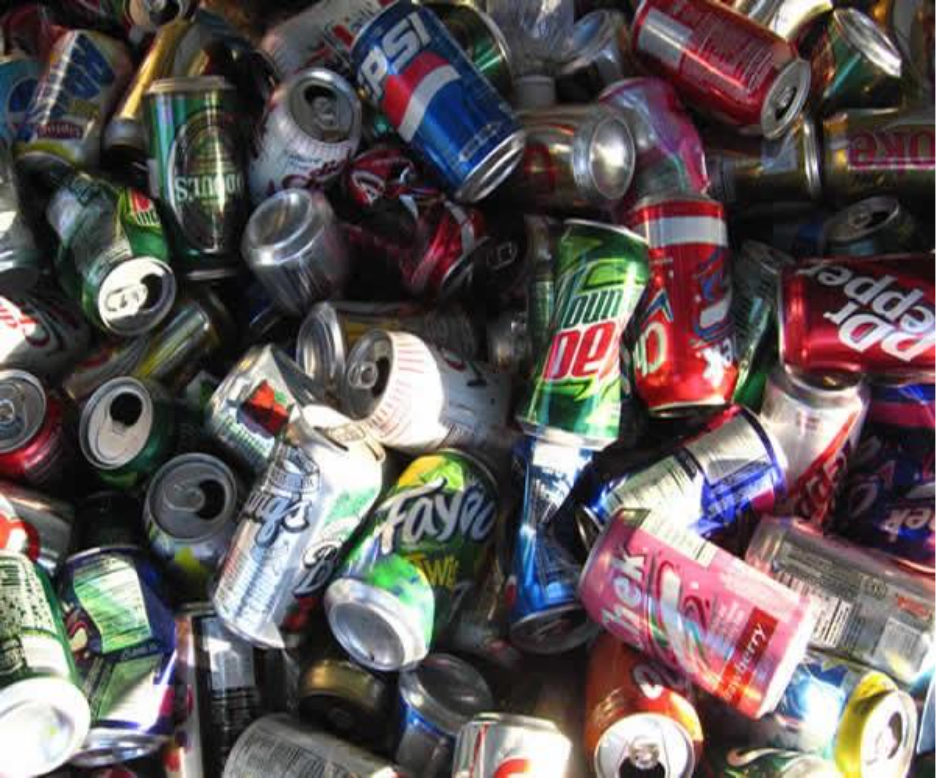
Aluminium dross recycling has proven to be one of the most effective methodologies for supporting sustainable metal production and advancing the circular economy. At Ivory Phar Inc ongoing of aluminum dross scrap and aluminium ubc cans scrap could be procured at our premises and we seek for potential buyers.
E-mail: sales(AT)ivorypharinc.com
Website: ivorypharinc.com
#aluminumdrossscrap #drossaluminum #aluminumdross #aluminiumdrossscrap #aluminiumubccanscrap #aluminumrecycling


























Sign in to leave a comment.