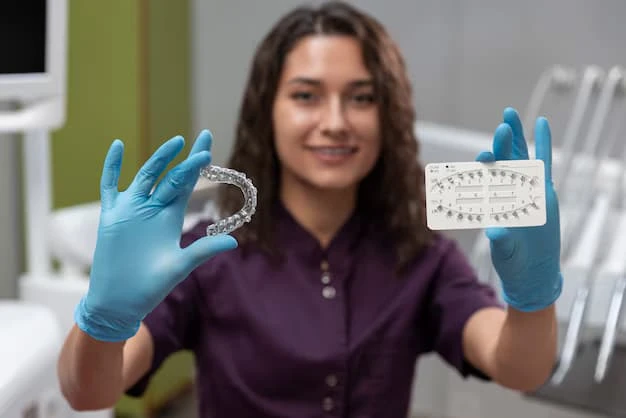

Orthodontic treatment doesn’t end when braces come off or aligners are finished. What happens next is just as important. Retainers play a central role in keeping teeth aligned and protecting the time and effort invested in orthodontic care. As orthodontics continues to evolve, so do retainers, both in how they’re made and how they’re used for long-term smile maintenance.
Understanding the latest advances in retainers helps patients make informed decisions and avoid unwanted shifting over time.
Why Retainers Matter More Than Ever
Teeth naturally want to move. Even after successful orthodontic treatment, the surrounding bone and soft tissues need time to stabilize. Without proper retention, teeth can slowly drift back toward their original positions.
Retainers are designed to hold teeth in place while the mouth adapts to its new alignment. This process isn’t temporary. Long-term smile maintenance depends on consistent retainer use, especially during the first few years after treatment.
As awareness grows around relapse, retainers are now viewed as a long-term solution rather than a short-term accessory.
How Retainers Have Evolved
Earlier retainers were often bulky, uncomfortable, and prone to breakage. Advances in materials and digital technology have led to designs that are more precise, durable, and easier to wear.
Today’s retainers are typically created using digital scans rather than physical molds. This allows for a more accurate fit and improved comfort. Better fit means better compliance, which directly supports long-term results.
Clear Retainers and Discreet Wear
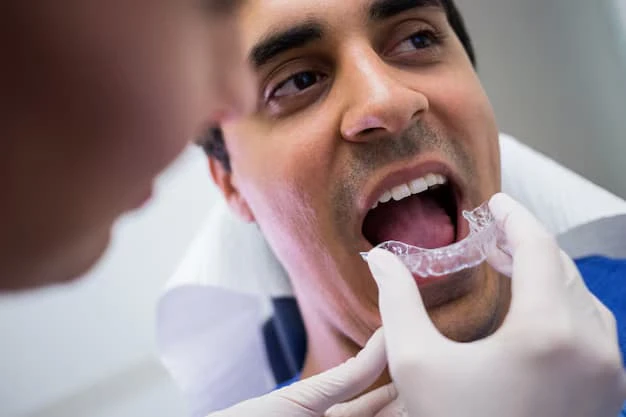
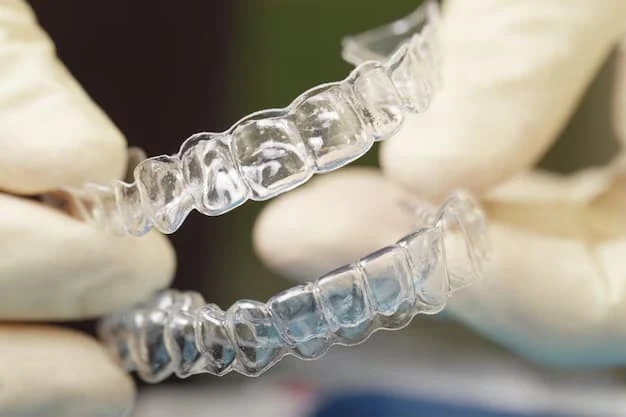
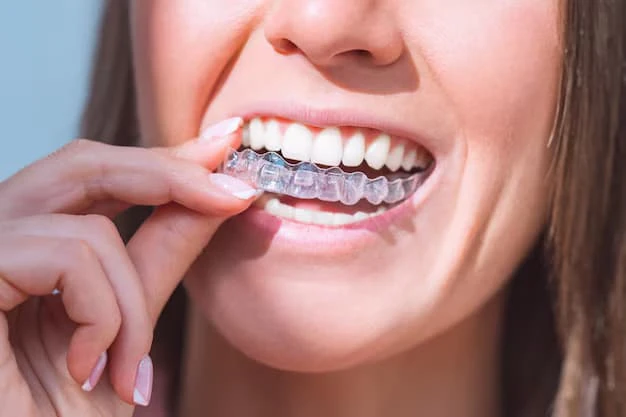
One of the most noticeable changes in retainers is appearance. Clear retainers have become widely used because they’re discreet and fit closely over the teeth.
These retainers are especially popular among adults and teens who want to maintain alignment without drawing attention. Their slim design makes them easier to wear overnight or during daily activities when recommended.
Clear retainers also make it easier for patients to commit to consistent use, which is essential for stability.
Improved Materials for Durability and Comfort
Modern retainers are made from advanced plastics designed to resist cracking and wear. These materials are smoother and thinner than older versions, reducing irritation to the gums and inner cheeks.
Durability matters because retainers are worn regularly and often for years. Stronger materials help reduce the need for frequent replacements while maintaining comfort over time.
This balance of strength and comfort supports better long-term adherence.
Digital Backups and Replacement Ease
Another advancement in retainers is the ability to store digital models of your teeth. Because retainers are now often designed from digital scans, replacements can be made more easily if one is lost or damaged.
Instead of starting from scratch, providers can recreate retainers using stored data. This reduces downtime without retention and helps protect alignment even when accidents happen.
This approach has made long-term smile maintenance more practical and less stressful.
Fixed Retainers and Stability
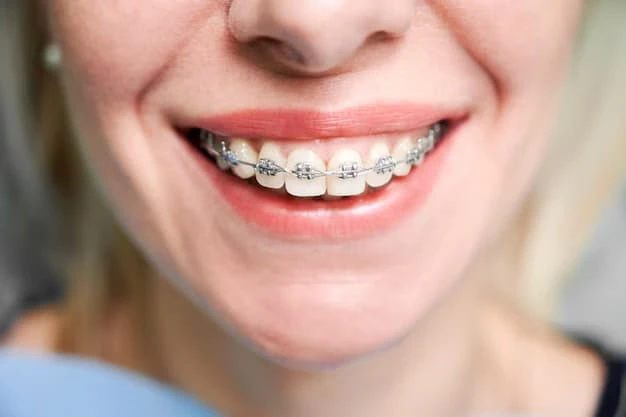
In some cases, orthodontic providers recommend fixed retainers. These are thin wires bonded to the back of the teeth, usually on the lower front teeth, where relapse is more common.
Fixed retainers work continuously without relying on patient compliance. While they require careful cleaning and regular monitoring, they can be an effective option for maintaining alignment in specific situations.
Many long-term retention plans now combine removable and fixed retainers for added stability.
Retainers and Oral Health Awareness
Retainers don’t just hold teeth in place; they also influence oral hygiene habits. Removable retainers allow patients to brush and floss normally, which helps maintain gum health.
At the same time, retainers must be cleaned properly to avoid the buildup of bacteria or odor. Advances in cleaning solutions and materials have made maintenance easier, supporting better hygiene and comfort.
Patients who understand how retainers interact with oral health are more likely to maintain both alignment and overall dental wellness.
Custom Retention Plans Are the New Standard
One major shift in orthodontic care is the move away from one-size-fits-all retention. Today, retainers are prescribed as part of a personalized plan based on age, bite, treatment history, and risk of relapse.
Some patients may need full-time wear initially, followed by nighttime use. Others may move faster to night-only retention. Clear guidance and follow-up help ensure retainers are used effectively.
This tailored approach improves outcomes and sets realistic expectations.
The Role of Consistency in Long-Term Results
Even the most advanced retainers can’t work without consistency. Long-term smile maintenance depends on wearing retainers as directed and replacing them when they show signs of wear.
Skipping nights or stopping use too early can allow teeth to shift gradually. These changes may be subtle at first, but can become more apparent over time.
Modern orthodontic guidance emphasizes retention as an ongoing habit rather than a temporary phase.
Retainers and Lifestyle Fit
Advances in retainer design also reflect modern lifestyles. Lightweight materials, slim profiles, and clear designs make retainers easier to integrate into daily routines.
Patients who travel frequently, play sports, or maintain busy schedules benefit from retainers that are easy to carry, clean, and wear discreetly. When retention fits into life smoothly, long-term compliance improves naturally.
Summary
Retainers have evolved significantly, becoming more comfortable, durable, and precise than ever before. These advances support not just alignment, but long-term smile maintenance that protects orthodontic results for years to come.
With improved materials, digital design, and personalized retention plans, retainers are now a central part of modern orthodontic care. When worn consistently and maintained properly, they help ensure that a straight smile stays that way, long after active treatment ends.


























Sign in to leave a comment.