




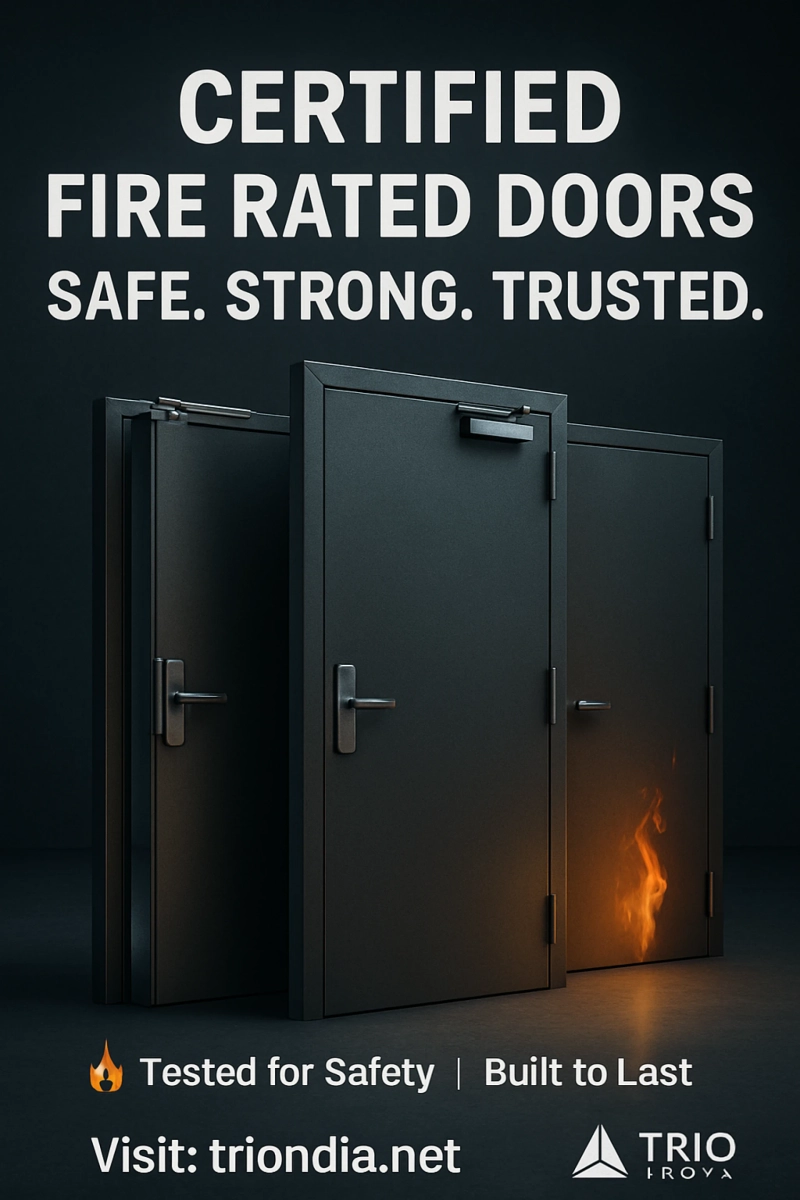
Fire safety is a critical concern for everyone, whether you’re managing a bustling office building, operating a retail establishment, or safeguarding your home. Although safety measures like smoke detectors and fire extinguishers are widely discussed, one essential safety feature often flies under the radar:
Fire door are more than just a part of the building’s structure; they are vital tools in controlling fire damage, enhancing occupant safety, and complying with fire safety regulations. Below, we’ll explore the benefits of fire doors and why they are indispensable in both residential and commercial settings.
What Are Fire Doors?
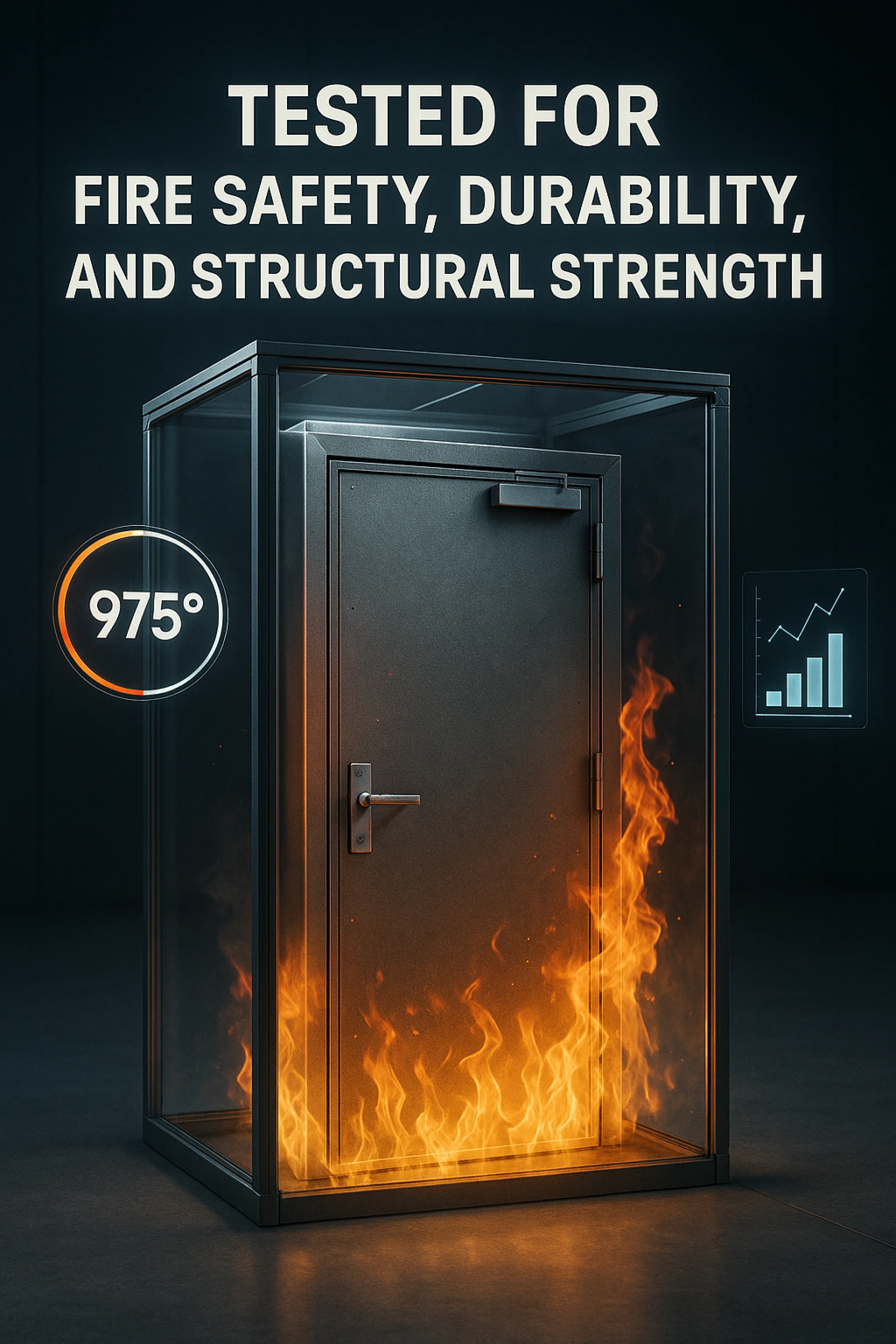
Before we look at their benefits, it’s important to understand what fire doors actually are. Fire doors are specially-designed doors constructed using fire-resistant materials such as steel, timber, and fire-rated glass. These doors are engineered to slow the spread of fire and smoke, providing precious time for evacuation and emergency response.
Fire doors come in various ratings, typically ranging from 30-minute to 120-minute fire resistance, indicating how long they can withstand fire before weakening.
The Top Benefits of Fire Doors
1. Life-Saving Protection
The primary and most vital benefit of fire doors is protecting lives. During a fire emergency, every second counts. Fire doors act as barriers to contain the spread of flames and toxic smoke, giving people enough time to evacuate safely.
Consider this scenario: in the unfortunate event of a fire in a commercial office building, employees on higher floors might struggle to evacuate immediately. Fire doors can contain the spread of the fire to its point of origin, ensuring that evacuation routes, such as stairwells and corridors, remain safe and smoke-free for longer.
2. Protecting Property and Assets
Fires don’t just endanger lives; they can also cause massive financial losses. Important documents, equipment, and inventory are vulnerable to damage when flames and smoke spread unchecked through a building. Fire doors can help minimize property damage by limiting the areas that the fire can reach.
For example, in a retail space with storage areas housing valuable inventory, strategically-placed fire doors can prevent flames from reaching these critical zones, reducing the overall financial impact of the disaster.
3. Compliance with Fire Safety Regulations
Fire doors are an integral part of legal compliance for building safety standards. Regulations differ by location, but most jurisdictions mandate the use of fire doors in commercial buildings, multi-family dwellings, and other high-risk properties. These regulations ensure that fire safety measures are in place to protect both occupants and first responders.
Failure to comply with these regulations can result in hefty fines, loss of insurance coverage, and even legal liability if a fire causes harm. Installing fire doors not only helps you meet legal requirements but also demonstrates a commitment to safety and responsibility.
4. Containing Smoke, Not Just Flames
One of the lesser-known yet critical advantages of fire doors is their ability to contain smoke. Many fire-related injuries and fatalities are caused by smoke inhalation rather than direct exposure to flames. Smoke spreads quickly, reducing visibility and making escape more difficult. Modern fire doors are typically designed with seals that expand when exposed to high heat, effectively blocking the passage of smoke through gaps around the door.
For instance, in a healthcare facility, maintaining air quality in certain zones during a fire can be life-saving for patients who may already have compromised respiratory systems. Smoke-contained fire doors can serve as a key line of defense in such scenarios.
5. Versatility in Application
Fire doors are suitable for a range of settings, from homes and small businesses to large industrial facilities. You’ll often find fire doors in stairwells, utility closets, garage entrances, and areas with high fire risk. For residential environments, installing fire doors between your garage and living areas can significantly reduce the risk of a home fire spreading uncontrolled.
Commercial and industrial facilities benefit even further. Warehouses with combustible materials or offices with high foot traffic can use fire doors to create fire zones, which are isolated areas designed to limit the reach of a potential fire.
6. Enhancing Fire Safety Training and Awareness
Installing fire doors isn’t just an infrastructural upgrade; it also reinforces a culture of safety awareness. Business owners and building managers often incorporate training sessions to educate occupants about the purpose and proper use of fire doors.'
For instance, ensuring that fire doors remain unobstructed and properly closed could be the difference between a minor fire and a catastrophic one. Employees and occupants who understand the importance of these doors are more likely to respect their intended purpose and follow best practices for fire safety.
Real-Life Example of Fire Door Impact
To appreciate the importance of fire doors, consider the Grenfell Tower fire in 2017 in London. Although the fire was catastrophic, fire doors installed in the building played a vital role in delaying the spread, allowing some residents significantly more time to evacuate. Events like this underscore how fire doors can determine life or death during emergencies.
Fire Doors in Residential vs. Commercial Settings
While fire doors are crucial in both residential and commercial settings, their applications can vary:
- Residential Settings:- These are commonly used to separate living areas from garages, kitchens, or boiler rooms. For multi-family apartment buildings, fire doors are mandatory in shared hallways and stairwells to protect all occupants.
- Commercial Settings:- Fire doors are essential in areas with high foot traffic, shared workspaces, or zones with sensitive materials. Office buildings, shopping malls, and educational institutions rely on fire doors to safeguard large numbers of people during emergencies.
Choosing the Right Fire Door
When selecting fire doors, it’s important to consult with professionals to ensure the doors meet legal specifications for your building type. Additionally, regular inspections and maintenance are necessary to keep fire doors functioning as intended.
Key Features to Look For:
- Fire resistance ratings (e.g., FD30 for 30 minutes or FD60 for 60 minutes)
- Smoke seals
- Self-closing mechanisms
- Proper installation by certified professionals
Wrap Up
Fire doors are not just another feature of a building. They’re vital safety tools that save lives, protect property, and ensure compliance with fire safety regulations. Investing in high-quality fire doors and maintaining them properly is one of the most practical decisions you can make for fire safety.
By placing fire doors at key points in your home or workplace, you’re investing not just in a physical barrier, but in peace of mind. For both residential and commercial spaces, fire doors are an essential safeguard against the unpredictable and dangerous nature of fire.