




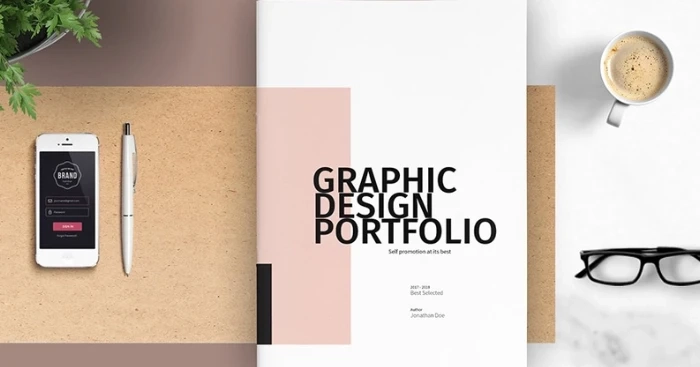
Graphic design templates have revolutionized the design industry, making it easy for both professional designers and amateurs to create stunning designs with little effort. These pre-designed layouts are readily available, easy to use, and cost-effective, saving time and money for many individuals and businesses. However, there are pros and cons to using graphic design templates and understanding them is essential to decide whether to use them or not. This article discusses the advantages and disadvantages of using graphic design templates.
Pros:
Saves time and effort: Using a graphic design template eliminates the need to create a design from scratch, which saves time and effort. These templates come pre-designed with well-thought-out color schemes, typography, and layouts, making it easy for anyone to customize and use them.Cost-effective: Designing a graphic design project from scratch can be costly, especially for small businesses and individuals. Graphic design templates are usually affordable and readily available, making it easy for businesses and individuals to create professional designs without breaking the bank.Consistent Branding: Consistent branding is essential to build a strong brand identity, and graphic design templates can help maintain it. Using the same template for different design projects creates a consistent brand image that customers can recognize.Accessible for non-designers: Graphic design templates have made it possible for non-designers to create professional-looking designs. These templates have made design accessible to anyone, regardless of their design knowledge and expertise.Inspiration: Using a graphic design template can also provide inspiration for design projects. By customizing and tweaking pre-designed templates, designers can create unique designs that align with their brand and stand out from the competition.Cons:
Lack of Originality: The biggest disadvantage of using graphic design templates is the lack of originality. Since these templates are readily available, many businesses and individuals might end up using the same design, resulting in a lack of uniqueness.Limitations: While graphic design templates provide an excellent starting point, they also have limitations. These templates come pre-designed, which means there are limitations to how much customization you can do. The templates might not always be the best fit for your project, and customizing them might not be possible.Dependency: Over-reliance on graphic design templates can create dependency. When a designer relies on templates for all their design projects, it can limit their creativity, leading to a lack of innovation.Inflexibility: While graphic design templates are a great starting point, they might not always work for all projects. In some cases, custom designs might be the best approach, and using templates might not provide the flexibility needed.Generic Designs: Graphic design templates are designed to cater to a wide audience, making them generic in nature. While these templates provide a great starting point, they might not always align with your brand's unique characteristics, leading to generic designs that do not stand out from the competition.Conclusion:
In conclusion, graphic design templates have their pros and cons. While they save time and effort, are cost-effective, provide consistent branding, and are accessible to non-designers, they also lack originality, have limitations, can create dependency, and may lead to generic designs. It's essential to understand the advantages and disadvantages of using graphic design templates to make informed decisions about their use. Designers should consider the type of project, the level of customization required, and the brand's unique characteristics.