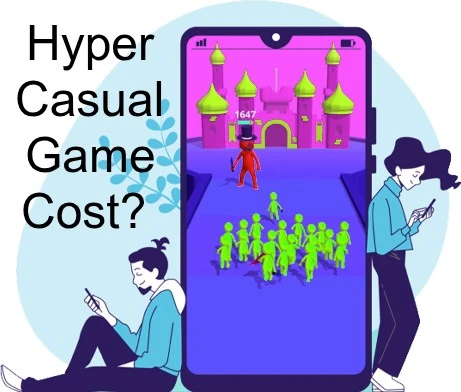

Hyper-casual games have taken the mobile gaming world by storm. Simple, addictive, and easy to play, these games often attract millions of users worldwide. But if you’re thinking about creating your own hyper-casual game, a key question arises: how much does it actually cost? In this guide, we break down the factors, processes, and budgets involved in developing a hyper-casual game so you can plan effectively.
1. Understanding Hyper-Casual Games
Before diving into costs, it’s essential to understand what sets hyper-casual games apart. Unlike complex games with rich graphics and elaborate storylines, hyper-casual games are characterized by:
- Minimalistic design and graphics
- One-tap or simple mechanics
- Short session lengths (2–5 minutes per play)
- High replayability and shareability
Because of their simplicity, hyper-casual games are faster and cheaper to develop compared to AAA or mid-core mobile games. However, the cost depends on multiple factors, including design, development, marketing, and post-launch support.
2. Factors Affecting the Cost of a Hyper-Casual Game
a) Game Design and Concept
The foundation of any game is its concept and design. This includes:
- Game mechanics
- Level design
- Visual style and animations
A simple hyper-casual game may require a small design team, while more polished visuals or unique mechanics may increase design costs.
Estimated cost: $1,000 – $5,000 for design.
b) Development Costs
Development involves coding the game, integrating mechanics, and ensuring smooth performance on multiple devices. Costs vary based on:
- Platform (iOS, Android, or cross-platform)
- Complexity of gameplay
- Use of game engines like Unity or Unreal Engine
For hyper-casual games, small teams or even freelancers can handle development
Estimated cost: $3,000 – $15,000.
c) Art and Animation
Even simple graphics require professional attention to ensure a polished look. This includes:
- Character and object design
- UI/UX elements
- Animations for smooth gameplay
Minimalistic art reduces costs, but highly appealing visuals can significantly boost user retention. Estimated cost: $1,000 – $8,000.
d) Sound and Music
Audio elements, although often overlooked, enhance user experience. This includes:
- Background music
- Sound effects
- Voiceovers (rare in hyper-casual games)
Estimated cost: $500 – $2,000.
e) Testing and Quality Assurance (QA)
Testing is critical to ensure your game runs smoothly across devices and screen sizes. QA involves:
- Bug fixing
- Performance optimization
- User experience testing
Estimated cost: $1,000 – $3,000.
f) Marketing and User Acquisition
Hyper-casual games rely heavily on viral marketing and ads. Initial development is only part of the cost—promoting your game can require a significant budget:
- Social media campaigns
- Influencer collaborations
- App store ads
Estimated cost: $2,000 – $20,000+, depending on scale.
g) Post-Launch Updates and Maintenance
Even after launch, your game needs:
- Bug fixes
- New levels or challenges
- Compatibility updates with new OS versions
Estimated cost: $500 – $2,000 per month.
3. Step-by-Step Breakdown of the Total Cost
Here’s a simplified breakdown for an average hyper-casual game:
StageEstimated Cost (USD)Game Concept & Design$1,000 – $5,000Development$3,000 – $15,000Art & Animation$1,000 – $8,000Sound & Music$500 – $2,000Testing & QA$1,000 – $3,000Marketing & User Acquisition$2,000 – $20,000+Post-Launch Updates$500 – $2,000/month
Total Estimated Cost: $8,000 – $55,000+, depending on complexity, quality, and marketing scale.
4. Tips to Reduce Hyper-Casual Game Development Costs
- Use pre-built assets: Platforms like Unity Asset Store offer graphics, sound, and code snippets.
- Start with an MVP (Minimum Viable Product): Launch a basic version and update based on user feedback.
- Outsource wisely: Freelancers or small studios can reduce costs compared to hiring a full-time team.
- Focus on virality: Hyper-casual games thrive on word-of-mouth, reducing heavy marketing budgets.
Conclusion
Creating a hyper-casual game can cost anywhere from $8,000 to $55,000 or more, depending on the quality, features, and marketing strategy. While these games are simpler than other mobile games, success relies on polished design, smooth gameplay, and effective marketing. By understanding each cost factor and planning your budget carefully, you can turn your idea into a viral hit in the mobile gaming market.
Hyper-casual game development is an exciting and accessible way for indie developers and small studios to make their mark—but careful budgeting is key to success. If you have a casual game idea, consider sharing it with a hyper-casual game development company. They can provide you with an estimated cost for your project and guide you through the development process.






















Sign in to leave a comment.