




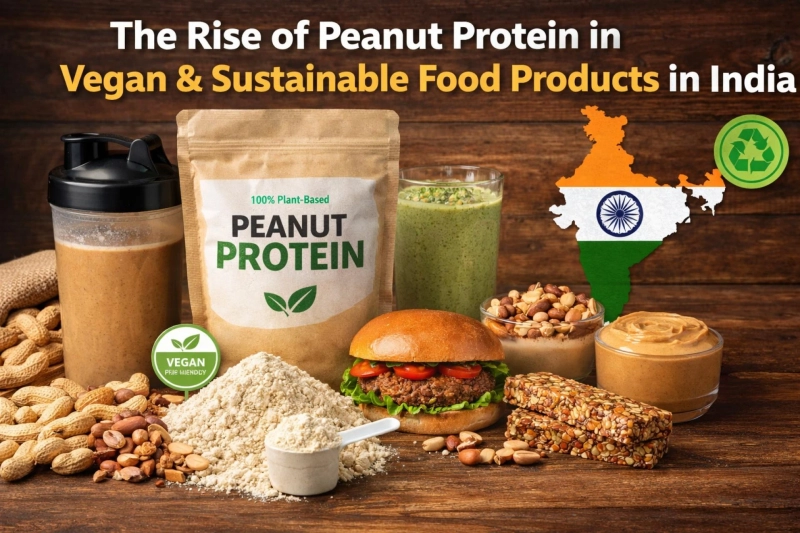
In recent years, peanut protein has moved from being a humble ingredient in traditional Indian diets to becoming a global player in the rapidly growing world of plant-based protein and sustainable food products. As more Indians embrace vegan lifestyles, seek healthier alternatives to dairy and animal proteins, and become conscious about environmental impact, peanut protein — especially in the form of peanut protein isolate — is attracting attention from nutritionists, food brands, and consumers alike.
Why Protein Matters in India
Protein is essential for nearly every bodily function — from building muscles and repairing tissue to supporting immune health and hormone production. However, many Indians following vegetarian or vegan diets struggle to meet their daily protein needs through conventional foods alone. Traditional sources like lentils, dairy, and eggs don’t always fit every lifestyle choice or dietary restriction. As a result, plant-based proteins have seen a dramatic rise in popularity.
In this context, peanut protein stands out not just for its nutritional promise but also for its cultural familiarity. Peanuts have been a staple in Indian kitchens for generations — used in chutneys, snacks, and curries — and now their protein potential is being harnessed in modern, sustainable forms.
From Traditional Legume to High-Performance Protein
Peanuts naturally contain a good amount of protein, healthy fats, and micronutrients. When processed into peanut protein isolate, the protein content is significantly concentrated — often exceeding 70% by weight — making it comparable with other plant protein isolates like pea or soy.
Brands emerging in the Indian market today are leveraging this plant protein to cater to athletes, vegans, and health-conscious consumers. For example, Plant Yum’s Peanut Protein Isolate offers a clean, unsweetened source of plant-based protein that can be easily added to shakes, rotis, or everyday meals. Similarly, companies like Vigourfuel and Pehlwaan Nutrition produce peanut protein products designed with high protein content and muscle-friendly amino acid profiles to support active lifestyles.
Vegan & Sustainable: Two Trends Converge
The rise of peanut protein in India isn’t just about health; it’s also about sustainability.
1. Plant-Based Diets on the Rise
Veganism and plant-based eating are no longer niche trends in urban India. Increasing awareness about animal welfare, lactose intolerance, and chronic health issues has led many to explore plant protein powders — from pea to rice to peanut protein. Products like Alpino’s Peanut Protein Powder highlight that peanut-derived protein can be both vegan and gut-friendly, appealing to those who often face digestive issues with dairy proteins.
Moreover, Reddit threads from Indian fitness communities show that users are actively discussing the taste, mixability, and performance of peanut protein compared to other vegan protein brands — underscoring a growing demand for clean, plant-based options among young adults and fitness enthusiasts.
2. Local Agricultural Strengths
India is one of the world’s largest peanut producers, with states like Gujarat, Andhra Pradesh, and Karnataka leading production due to favourable rainfall and soil conditions. Peanuts are abundant, affordable, and already embedded in the Indian agricultural ecosystem.
This local availability reduces the need for importing raw materials, cutting down transportation emissions and lowering the overall carbon footprint of peanut protein isolate compared to some imported plant proteins. Sustainability begins with sourcing, and using locally grown peanuts aligns with India’s broader goals for self-reliance (Atmanirbhar Bharat) and reduced environmental impact.
Nutrition That Fits Indian Lifestyles
One of the key drivers of peanut protein’s rise is its versatility and nutrition profile.
High Protein, Low Fuss
In traditional Indian diets, meeting daily protein requirements can be challenging, especially in vegetarian households. While lentils and legumes are protein-rich, their bioavailability and amino acid profiles vary. Peanut protein isolate offers a straightforward solution — a concentrated source of plant protein that can easily supplement meals without significant taste changes.
Easy to Incorporate
Unlike some protein supplements that only fit into shakes or smoothies, peanut protein is adaptable. Indian consumers have begun using peanut protein powder in ways that suit local eating habits — mixing it into dals, rotis, parathas, or even snack recipes. This flexibility makes it more appealing than some traditional protein isolates that are limited to gym-centric use.
Allergen and Digestive Considerations
While peanuts themselves can trigger allergies in some, peanut protein isolates used in products today are processed to improve digestibility and minimise issues like bloating. Many consumers who are lactose intolerant or sensitive to dairy find plant-based proteins more tolerable. However, anyone with a peanut allergy still needs to avoid these products and consult healthcare providers.
Sustainability Beyond the Plate
A critical part of the peanut protein story is its environmental sustainability. Compared to animal proteins like whey or casein, plant proteins typically require fewer resources like land and water and generate fewer greenhouse gas emissions. Peanut protein isolate, being derived from a crop that thrives in Indian conditions, often embodies these low-impact characteristics even more strongly.
Some specialised producers highlight that peanut protein sourced from oil-industry sidestreams (like defatted peanut meal) represents an upcycled ingredient — using what might otherwise be waste and transforming it into valuable nutrition. This not only reduces waste but also enhances the overall sustainability of the food supply chain.
Challenges and the Road Ahead
Even as interest grows, there are hurdles to wider adoption:
- Consumer Awareness: Many Indians still default to traditional dairy proteins or are unfamiliar with how to use peanut protein powder effectively.
- Taste and Texture: Some users compare peanut protein unfavourably to more established options, reporting issues with mixability or flavour — though newer formulations are improving rapidly.
- Price Sensitivity: Premium plant protein products can be more expensive than basic whey or dairy proteins, which may limit accessibility for price-conscious buyers.
However, as brands continue to innovate and Indian consumers become more health and environment conscious, peanut protein’s role in the country’s food landscape is poised to expand.
Conclusion
The rise of peanut protein in vegan and sustainable food products reflects broader shifts in how Indians think about nutrition, health, and environmental responsibility. From fitness enthusiasts seeking clean, plant-based protein to families looking for wholesome dietary boosts, peanut protein isolate and peanut protein powder are carving out a meaningful place in modern diets.
Rooted in a crop that Indians have grown and consumed for generations, peanut protein uniquely blends cultural familiarity, nutritional value, and sustainability — making it a compelling choice for the future of plant-based nutrition in India. Whether incorporated into traditional meals or enjoyed as part of a smoothie, this versatile protein source represents not just a trend, but a lasting evolution in how we fuel our bodies and protect our planet.
Originally posted at : https://brainsmithpe.medium.com/