




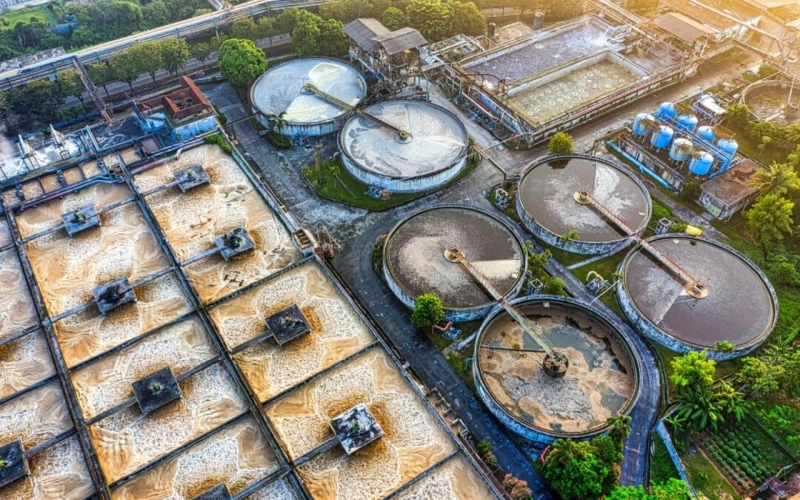
Water quality is a fundamental necessity for public health, and ensuring safe, clean drinking water is a top priority for municipalities worldwide. One of the most effective technologies employed in modern water-treatment systems is the Granular Activated Carbon (GAC) filtration system.
What is GAC and How Does It Work
Granular Activated Carbon is a porous, carbon-based material made from organic carbon-rich sources such as wood, nutshells, coal or coconut shells. Through a thermal activation process, the material develops an intricate network of micro-, meso- and macro-pores, dramatically increasing its internal surface area and enabling highly efficient adsorption of contaminants.
When water passes through a bed of GAC, organic molecules, chlorine, disinfection by-products (DBPs), volatile organic compounds (VOCs), pesticides, unpleasant tastes and odors are attracted to and held on the carbon’s pore surfaces — a process known as adsorption.
Benefits of GAC Filtration in Drinking Water Treatment
- Effective removal of contaminants: GAC filters excel in removing a variety of harmful compounds — including pesticides, VOCs, DBPs, chlorine residues — thereby improving water safety and taste.
- Improved taste and odour: By adsorbing chlorine and organics responsible for unpleasant smells or tastes, GAC enhances palatability and overall perception of water quality.
- Dual filtration + adsorption: Unlike simple sand filters, GAC provides both physical filtration (removing particulates) and chemical adsorption, making it a versatile medium for treatment plants.
- Scalability and adaptability: GAC systems can be integrated into municipal treatment plants of various sizes — from small community supplies to large-scale urban water works — and can complement other treatment steps like sedimentation, coagulation, or reverse osmosis.
- Sustainability potential: When derived from renewable sources (coconut shells, wood, nutshells), GAC offers an eco-friendlier alternative to coal-based media, aligning with broader environmental goals.
Implementation in Municipal Water Treatment Plants
In a typical municipal water-treatment setup using GAC: pre-treatment stages such as coagulation, sedimentation and disinfection are followed by passage through GAC beds (often packed-bed filters). This step is especially crucial for eliminating residual disinfectants, organic micropollutants, and compounds causing taste or odor problems.
Some systems also combine GAC with other technologies (e.g., reverse osmosis, UV disinfection) to ensure multiple layers of protection and tackle contaminants that GAC alone may not fully remove — such as certain heavy metals or microorganisms.
Why GAC Matters Today
With growing awareness of emerging pollutants — including chemical runoff from agriculture, industrial solvents, and disinfection by-products — municipalities face increasing pressure to upgrade water treatment systems. GAC filtration offers a cost-effective, reliable, and sustainable method to address these challenges.
Furthermore, modern concerns such as taste and odor issues, regulatory compliance, and long-term environmental sustainability make GAC-based systems an attractive choice for both developing and developed regions.
Conclusion
Granular Activated Carbon filtration systems represent a proven, adaptable and powerful tool in municipal water treatment — capable of removing a wide array of contaminants, improving water taste and odor, and functioning efficiently at scale. As water quality standards tighten and new pollutants emerge, GAC remains a cornerstone technology for ensuring safe, clean, and drinkable water for communities worldwide.