





Hip replacement surgery is no longer just the same procedure for everyone. Every person moves, sits, walks, and even squats differently in daily life, so surgery needs to fit your lifestyle. Today’s surgeons look closely at your posture, how your joints work, and your everyday activities before deciding the best approach and implant. This planning makes recovery smooth, reduces discomfort, and helps you get back to your normal life with confidence and ease.
Why Shift Beyond Metal and Ceramic?
Hip replacement success depends on more than implant material. The way an implant interacts with bone, muscle, and surrounding joints determines long-term comfort.
Bone density affects fixation strength. Body weight influences joint load. Activity level changes wear patterns. Age impacts healing capacity.
Indian daily habits such as floor sitting, squatting, climbing stairs, and long walking hours place additional demands on hip stability and range of motion. Personalized planning helps support these movements safely.
Hip function is also linked to knee and spine health. Ignoring knee arthritis or spinal stiffness can lead to imbalance after surgery. That is why specialists working with a knee hospital in Ahmedabad often evaluate all major joints together before finalizing hip replacement plans.
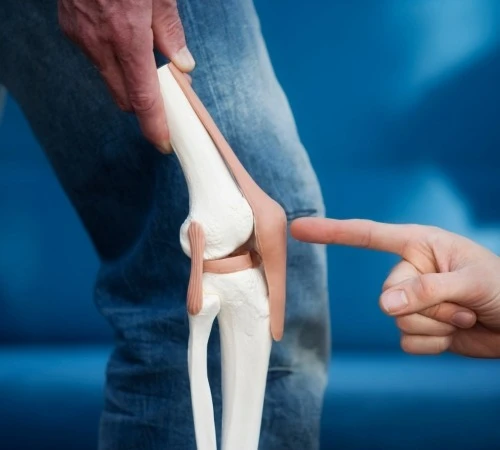
3D Printed Hip Replacement Technology
With 3D printing, surgeons can create a precise model of your hip before surgery. This helps them plan the exact size, position, and alignment of the implant for a safer and more comfortable recovery.
Role of 3D Imaging and Digital Templating
Advanced imaging allows surgeons to view hip anatomy in three dimensions. Digital templating helps predict implant size, orientation, and positioning before surgery begins.
Gait and Posture Assessment
Walking and posture analysis show how forces pass through the hip during daily movement. These insights help reduce uneven stress and discomfort after surgery.
Hip–Knee–Ankle Alignment Planning
Modern hip replacement planning treats the lower limb as one connected system. Adjustments at the hip consider knee and ankle mechanics to achieve smoother and more natural walking.
Expert Planning Matters
An experienced orthopedic doctor in Ahmedabad combines technology with clinical judgment to convert data into practical, patient-specific surgical decisions.
Key Aspects of Personalized Hip Replacement
Hip replacement is all about tailoring the surgery to your unique body, lifestyle, and movement needs. Every step—from implant choice to recovery planning—is designed to restore natural movement and make daily activities easier after surgery.
Surgical Technique Tailored to the Individual
Every hip replacement surgery is planned to suit your body, muscles, and joint condition. The surgeon chooses the right approach and makes adjustments during surgery to ensure stability, natural movement, and a faster, safer recovery.
Choosing the Right Surgical Approach
The surgical approach is selected based on body type, muscle condition, and joint stiffness. Some patients benefit from muscle-sparing techniques, while others require traditional exposure for safety and control.
Alignment-Based Positioning During Surgery
Implant positioning is adjusted according to spine and knee alignment. This helps prevent imbalance, discomfort, and uneven walking after surgery.
Intra-Operative Adjustments
During surgery, small real-time adjustments are made to fine-tune joint balance and movement quality.
Experience Over Machines
Technology supports precision, but a surgeon's experience remains the most important factor in achieving reliable outcomes.
Patient-Centric Pain Relief and Recovery After Hip Surgery
Pain control is customized based on patient tolerance and medical history. Anesthesia plans are adjusted to reduce discomfort and support early movement.
Rehabilitation is activity-specific. A working professional, a homemaker, and a senior patient all follow different recovery paths.
Recovery timelines are flexible, guided by movement quality rather than fixed schedules. Surgeon-guided rehabilitation ensures steady progress and early correction when needed.

How Reducing Hip Surgery Risks with Custom Care
Custom care focuses on planning surgery around the patient’s body structure, movement patterns, and lifestyle needs. This approach helps minimize complications and improve long-term hip stability and performance.
Lower Dislocation and Instability Risk
Joint alignment and careful soft tissue balancing improve overall hip stability. This reduces the chances of dislocation and helps the joint move more naturally after surgery.
Reduced Implant Wear
Accurate implant positioning allows stress to distribute evenly across the joint surface. This minimizes uneven wear and supports a longer implant lifespan.
Fewer Revision Surgeries
Early, patient-specific planning helps prevent alignment errors and mechanical issues that may lead to future revision surgery.
Long-Term Monitoring
Regular follow-up with an orthopedic doctor in Ahmedabad supports long-term joint health. Continuous monitoring is especially important for patients with complex conditions or higher surgical risk.
Benefits of Modern Hip Replacement Surgery
Younger and Active Patients
Modern hip replacement allows younger and active patients to return to daily movement with greater confidence. Implant selection and alignment support natural walking, sitting, and bending, while reducing unnecessary activity restrictions over the long term.
Patients with Knee Arthritis
When hip replacement planning is coordinated with joint specialists from a knee hospital in Ahmedabad, overall limb alignment improves. This balanced approach reduces stress on both the hip and knee, leading to smoother walking and better long-term joint comfort.
Obese or Diabetic Patients
Patients with obesity or diabetes benefit from customized surgical and recovery strategies. Careful planning helps reduce surgical stress, lowers complication risk, and supports safer, more controlled rehabilitation.
Patients with Failed Previous Joint Surgeries
Require revision planning to address issues left unresolved by earlier procedures. Tailored alignment, implant choice, and soft tissue balance help improve comfort, stability, and functional outcomes in complex cases.
Conclusion
Successful hip replacement surgery depends on thoughtful planning rather than implants alone. Personalized care improves comfort, movement, and long-term joint durability by focusing on alignment, lifestyle, and recovery needs. At Dr. Meet Mehta, this patient-first approach helps individuals return to daily activities with confidence and stability. Modern hip replacement achieves the best results when surgery is planned around the person, not just the joint.