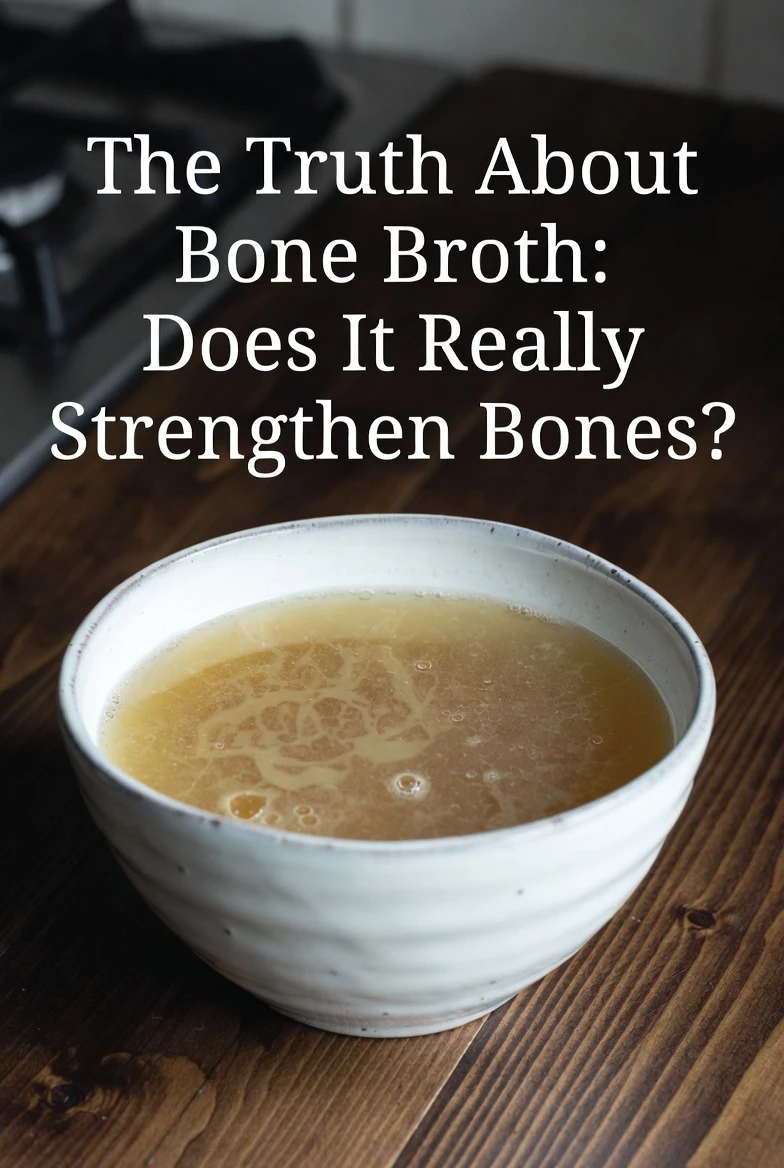
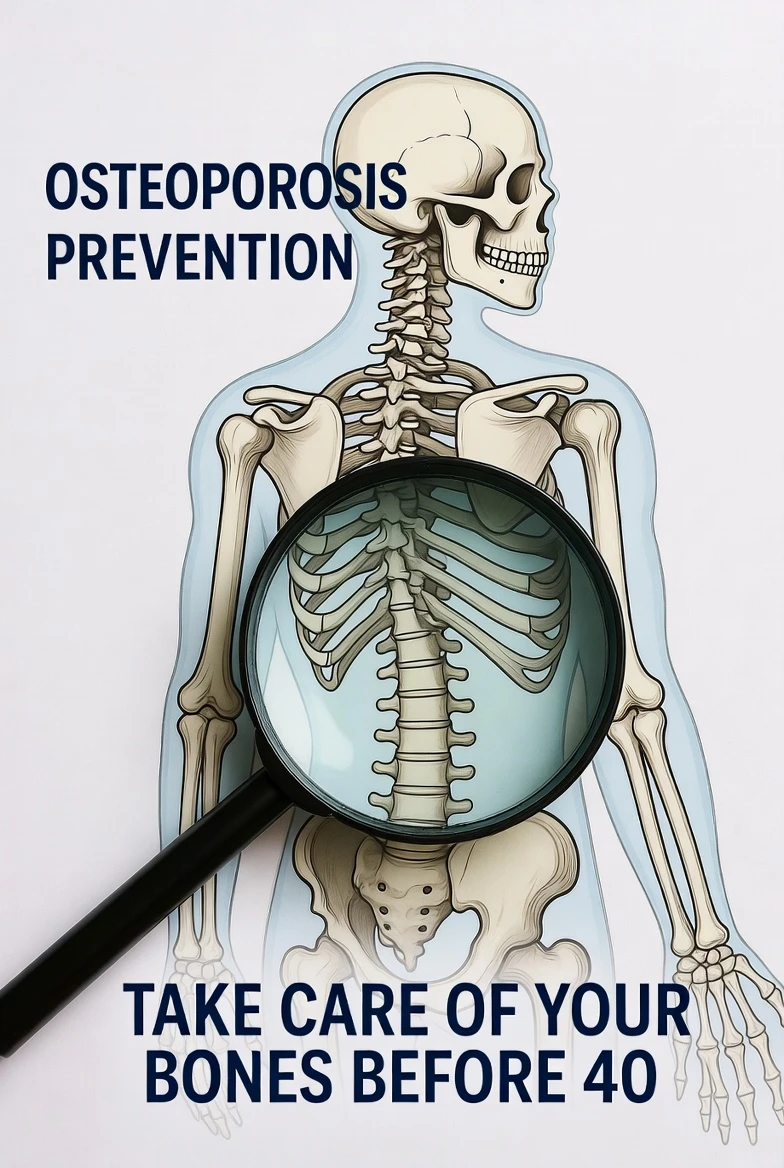
Walk into any health food store or browse wellness blogs, and you'll find bone broth touted as a miracle elixir for bone health. From celebrity endorsements to trendy cafes serving steaming cups of this ancient remedy, bone broth has captured the attention of health-conscious individuals worldwide. But does this savory beverage truly deliver on its promise to strengthen bones, or is it another overhyped wellness trend?
As someone concerned about bone health, you deserve evidence-based answers. This comprehensive guide cuts through the marketing hype to reveal what science actually says about bone broth and bone strength. Whether you're dealing with osteoporosis, osteopenia, or simply want to maintain healthy bones as you age, understanding the facts will help you make informed decisions about your diet and health.
What Exactly Is Bone Broth?
Before diving into its health claims, let's clarify what bone broth actually is. Bone broth is created by simmering animal bones—typically from beef, lamb, chicken, turkey, or pork—in water for twelve to twenty-four hours. This extended cooking process extracts nutrients, minerals, and proteins from the bones, creating a nutrient-rich liquid.
Unlike regular stock or broth that cooks for just a few hours, bone broth's lengthy preparation time is designed to break down collagen and extract minerals from the bones. Many recipes include acidic ingredients like vinegar or lemon juice to help dissolve the minerals and draw out more nutrients.
The resulting liquid is rich in protein, particularly collagen, and contains various amino acids and trace minerals. But here's where things get interesting—and where popular claims diverge from scientific reality.
The Great Calcium Misconception
Perhaps the most persistent myth about bone broth is that it's an excellent source of calcium for building strong bones. After all, bones are approximately forty percent calcium, so it seems logical that boiling them would create a calcium-rich liquid.
What the Research Actually Shows
Recent USDA data reveals that calcium in bone broth ranges from just nine to fourteen milligrams per cup. To put this in perspective, one cup of milk contains approximately three hundred milligrams of calcium—that's roughly thirty times more than bone broth.
Studies examining calcium and magnesium levels in bone broth found these minerals present at only low tenths of a milligram per serving. Even broths from health-focused brands showed similarly disappointing calcium levels.
A landmark study from 1934 by researchers at King's College Hospital in London examined various types of bone broth and found calcium content ranging from just 5.2 to 28.6 milligrams per serving. Nearly a century later, modern analysis confirms these findings—bone broth simply isn't a significant source of calcium.
Why Is Calcium Content So Low?
You might wonder why bones don't release more calcium during cooking. The answer lies in bone structure. While bones contain substantial calcium, it's tightly bound within the bone matrix in a crystalline form called hydroxyapatite. Even with acidic ingredients and extended cooking times, only minimal amounts of calcium dissolve into the broth.
Factors affecting mineral extraction include temperature, surface area, agitation, and the microstructure of bone tissue, making it difficult to standardize mineral content in broths. Additionally, different bone types—such as long bones versus ribs—extract minerals differently.
For anyone hoping to meet their daily calcium needs through bone broth alone, you'd need to consume enormous quantities. The recommended daily calcium intake for adults is approximately one thousand milligrams, which would require drinking more than seventy cups of bone broth per day—clearly impractical and unpalatable.
What Bone Broth Does Contain: The Real Nutrients
While bone broth falls short on calcium, dismissing it entirely would be premature. The beverage does contain several beneficial nutrients that support overall health.
Protein and Amino Acids
Bone broth provides approximately eight to ten grams of protein per cup, compared to just two to six grams in regular broths or stocks. This protein is primarily collagen, which breaks down into gelatin during cooking.
Bone broth contains amino acids including glutamine, glycine, proline, histidine, and arginine, which serve various functions in the body. Glycine, for instance, has been studied for its calming effects on the nervous system and potential sleep benefits.
Trace Minerals
While calcium and magnesium are disappointingly low, bone broth does contain trace amounts of other minerals such as phosphorus, potassium, zinc, and iron. However, quantities vary significantly based on preparation methods and bone sources used.
Glucosamine and Chondroitin
Bone broth made with cartilage-containing bones and connective tissue provides glucosamine and chondroitin, compounds commonly sold as supplements for joint health. These glycosaminoglycans may help support cartilage maintenance and reduce joint discomfort in some individuals.
The Collagen Connection: Where Bone Broth Shines
While bone broth won't flood your body with calcium, its collagen content deserves serious consideration for bone health—though not for the reasons you might expect.
Collagen as the Bone Scaffold
Bone is built on a scaffold of collagen, making collagen the most important bone-building component in broth. Collagen comprises twenty-five to thirty-five percent of total body protein and provides the flexible framework upon which minerals like calcium deposit.
Think of your bones as reinforced concrete: calcium provides the hardness (like concrete), while collagen provides flexibility and structure (like steel rebar). Without adequate collagen, bones become brittle despite high mineral content.
Does Consuming Collagen Help?
When you consume collagen from bone broth, your digestive system breaks it down into individual amino acids, particularly glycine and proline. Your body then uses these amino acids as building blocks to synthesize new collagen throughout your body.
Recent research on collagen supplementation provides encouraging insights. A four-year study of postmenopausal women taking specific bioactive collagen peptides showed a 5.79 percent increase in spine bone density and a 4.21 percent increase in hip bone density.
Multiple randomized controlled trials found that combining collagen peptides with calcium and vitamin D supplementation led to greater improvements in bone mineral density compared to calcium and vitamin D alone.
However, there's a critical distinction: these studies used concentrated collagen peptide supplements, not bone broth. Research indicates that bone broth is unlikely to provide sufficient concentrations of collagen precursors comparable to those in supplements.
To match the collagen doses used in successful clinical studies, you'd need to consume multiple cups of high-quality bone broth daily—possible, but less practical than targeted supplementation.
The Anti-Inflammatory Advantage
Perhaps bone broth's most scientifically supported benefit relates to inflammation reduction, which indirectly supports bone health.
Research on a mouse model of ulcerative colitis found that prophylactic administration of bone broth reduced inflammatory markers and decreased disease symptoms. Animal studies have demonstrated that bone broth has anti-inflammatory properties that decrease symptoms of ulcerative colitis.
Chronic inflammation is an enemy of bone health. Inflammatory conditions accelerate bone breakdown and interfere with bone formation. While more human research is needed, bone broth's amino acids—particularly glycine and arginine—have demonstrated anti-inflammatory effects that could theoretically benefit bone metabolism.
Gut Health and Bone Connection
Emerging research reveals fascinating connections between gut health and bone density, an area where bone broth may offer indirect benefits.
Studies document that bone broth components enhance gut health, alleviate intestinal barrier inflammation, and improve nutrient absorption. The gelatin in bone broth may help protect and heal the intestinal lining, potentially improving your body's ability to absorb bone-building nutrients from all foods.
A 2021 mouse study concluded that amino acids in bone broth have anti-inflammatory properties that may reduce gut damage due to ulcerative colitis.
A healthy gut means better absorption of calcium, vitamin D, magnesium, and other nutrients essential for bone health. If bone broth supports gut integrity, it could indirectly enhance bone nutrition—though this connection requires more human studies to confirm.
What Really Builds Strong Bones?
Understanding what bone broth can't do highlights what you should focus on for optimal bone health.
Essential Nutrients for Bone Strength
Calcium: Despite bone broth's shortcomings, calcium remains crucial. Good calcium sources include dairy products, leafy greens, fatty fish, nuts, fortified foods like orange juice, plant milks, and tofu.
Vitamin D: Vitamin D helps the body absorb calcium and deposit it into bones, with needs increasing with age. Sunlight exposure, fatty fish, fortified foods, and supplements can help maintain adequate levels.
Protein: Dietary protein is one of the most important nutritional considerations as it affects bone mineral density, trabecular and cortical microstructure, and bone strength. When calcium intake is sufficient, higher protein intake associates with lower fracture risk.
Magnesium: This mineral is essential for bone health, and deficiency increases osteoporosis risk. Studies show magnesium supplements help increase bone mineral density and decrease fracture risk in older women.
Vitamin K: Necessary for proteins involved in bone formation and maintenance, with low intake linked to higher fracture risk.
Vitamin C: Vitamin C helps with collagen synthesis, the protein that forms the structure of bones, cartilage, and connective tissues.
Dietary Patterns That Protect Bones
Reduced fracture risk associates with consuming at least five servings per day of fruits and vegetables, regular tea drinking, and adherence to a Mediterranean diet. These eating patterns provide fiber, polyphenols, and fermented dairy products that may benefit bone health through effects on gut microbiota.
Diets high in ultra-processed foods, added sugars, and excessive salt can harm bone health and increase osteoporosis risk.
Beyond Diet: Lifestyle Factors
Nutrition is just one piece of the bone health puzzle. Regular weight-bearing exercise, avoiding smoking and excessive alcohol, maintaining healthy body weight, and getting adequate sleep all contribute significantly to bone strength.
Should You Drink Bone Broth?
Given the mixed evidence, should bone broth have a place in your bone health strategy?
The Practical Verdict
Bone broth can be a nutritious addition to your diet, but it shouldn't be your primary bone health intervention. It provides quality protein, may support gut and joint health, and contains beneficial amino acids with anti-inflammatory properties. However, relying on it as a calcium source or expecting dramatic bone-strengthening effects would be misguided.
Research on bone broth's benefits for inflammation reduction, gut health improvement, and anti-aging effects remains inadequate to support definitive claims.
How to Incorporate Bone Broth Wisely
If you enjoy bone broth and want to include it in your routine:
- Use it as part of a comprehensive bone health strategy, not as your sole intervention
- Choose high-quality sources made from organic, grass-fed animal bones when possible
- Include vegetables in your broth preparation—research shows vegetable matter significantly increases mineral content
- Be mindful of sodium content—some commercial varieties contain excessive salt
- Watch for lead contamination—some studies have found elevated lead levels in bone broths, particularly those made from bones of animals raised conventionally
- Consider supplementing with targeted nutrients like calcium, vitamin D, and possibly collagen peptides if you have specific bone health concerns
When Bone Broth Isn't Enough
For individuals with diagnosed osteoporosis, osteopenia, or significant fracture risk, bone broth alone will not provide adequate intervention. Consulting with healthcare providers, including a bone specialist in Kolkata or your local area, remains essential for proper diagnosis, monitoring, and treatment.
Osteoporosis affects fifty percent of women and twenty percent of men after age fifty, with fractures associated with significant morbidity, increased mortality, and altered quality of life. This serious condition requires evidence-based medical management.
Real-World Success: The Bone Broth Diet Study
One recent study provides interesting context for bone broth's practical applications. An open-label clinical trial investigating the Bone Broth Diet found decreases of 4.8 kilograms and 2.6 kilograms in body weight after two three-week periods, corresponding to five percent and 2.7 percent reductions respectively.
These improvements corresponded with decreases in fasting blood glucose, waist circumference, and sagittal abdominal diameter. Participants also experienced decreased hunger and cravings without reduced meal satisfaction.
However, this study combined bone broth with portion control, low carbohydrate and high protein meals, intermittent fasting, and exercise. The bone broth was one component of a comprehensive lifestyle intervention, not a magic bullet.
Notably, achieving and maintaining healthy body weight benefits bone health, as both underweight and obesity can negatively impact bone density and fracture risk.
The Bottom Line: Separating Hype from Help
After examining the scientific evidence, here's what we can confidently say about bone broth and bone health:
What Bone Broth Is NOT:
- A significant calcium source for building bones
- A replacement for comprehensive osteoporosis treatment
- A miracle cure for bone loss or fractures
- Necessarily superior to a balanced diet rich in whole foods
What Bone Broth MAY Be:
- A good source of protein and collagen building blocks
- Potentially beneficial for gut health, which indirectly supports nutrient absorption
- Helpful for joint comfort due to glucosamine and chondroitin content
- Part of an anti-inflammatory dietary pattern
- A warming, satisfying addition to a bone-healthy lifestyle
The truth about bone broth lies somewhere between the marketing hype and complete dismissal. It's a traditional food with some genuine nutritional benefits, but it's not the bone-strengthening superfood that popular culture often portrays.
For optimal bone health, focus on proven strategies: adequate calcium and vitamin D intake, sufficient protein consumption, regular weight-bearing exercise, maintaining healthy body weight, and avoiding smoking and excessive alcohol. If you enjoy bone broth, by all means include it—just don't expect it to single-handedly reverse bone loss or prevent osteoporosis.
Expert Care for Your Bones
While dietary interventions like bone broth can support overall health, individuals concerned about bone density should seek professional evaluation. A bone specialist in Kolkata can perform bone density scans, assess fracture risk, and develop personalized treatment plans based on your specific needs and risk factors.
Early detection and intervention for conditions like osteoporosis significantly improve outcomes and reduce fracture risk. Don't wait until a fracture occurs to prioritize your bone health.
Remember, your bones are living tissue that continuously remodel throughout your life. The choices you make today—from the foods you eat to the activities you pursue—directly impact your skeletal strength for decades to come. Make those choices count by basing them on solid evidence rather than wellness trends alone.























Sign in to leave a comment.