




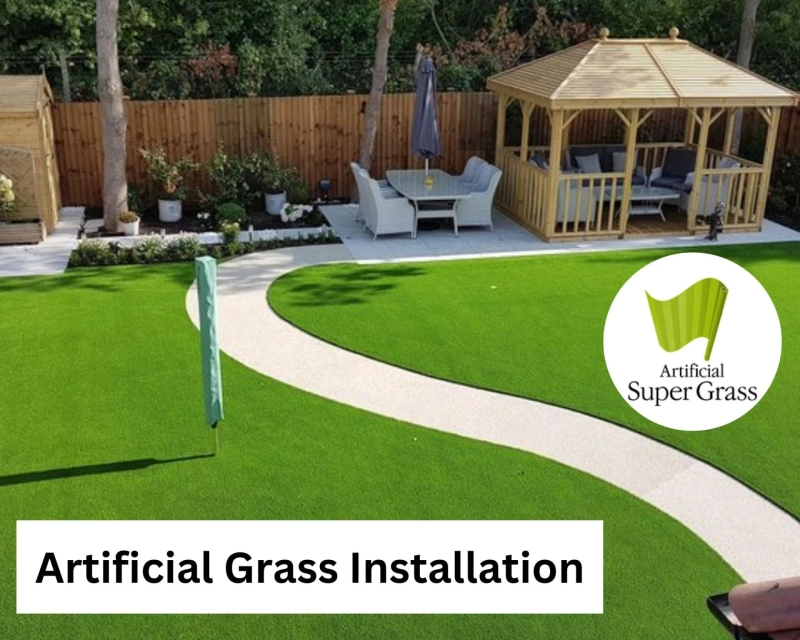
Installing Artificial Grass
Artificial grass, also known as synthetic turf, has gained immense popularity among homeowners as a low-maintenance alternative to natural grass. It offers a year-round green lawn without the hassle of constant upkeep. If you're looking to enhance the aesthetics of your outdoor space or are tired of never-ending lawn maintenance, installing artificial grass can be an excellent choice. In this comprehensive guide, we will take you through the step-by-step process of installing artificial grass, ensuring a flawless and durable result.
Why Opt for Artificial Grass?
Artificial grass offers numerous advantages, making it an appealing choice for homeowners. Firstly, it requires minimal maintenance compared to natural grass. Say goodbye to the endless cycle of mowing, watering, and fertilizing. Artificial grass stays lush and green without the need for constant attention.
Secondly, artificial grass is highly durable and long-lasting. It can withstand heavy foot traffic, children's play, and pet activities without showing signs of wear and tear. Additionally, it is weather-resistant, making it suitable for areas with extreme climates.
Furthermore, artificial grass is environmentally friendly. It eliminates the need for harmful pesticides and fertilizers, reducing your ecological impact. It also conserves water as it doesn't require regular watering like natural grass.
Step 1: Preparing the Area
Before installing artificial grass, it's crucial to prepare the area properly. Start by clearing the site of any existing vegetation, rocks, or debris. Ensure that the ground is level and free of bumps or irregularities. Use a rake or shovel to smooth out the surface, creating a suitable foundation.
Step 2: Measuring and Ordering the Artificial Grass
Accurate measurements are vital to ensure you order the right amount of artificial grass for your project. Measure the length and width of the area and multiply the two measurements to determine the square footage. Consider any additional wastage or shaping requirements when placing your order.
Step 3: Clearing the Existing Lawn
If you have an existing lawn, clearing it is necessary before proceeding with the installation. Use a turf cutter or shovel to remove the turf and roots. Dispose of the lawn responsibly or repurpose it if possible.
Step 4: Installing the Base
A stable and well-drained base is essential for the longevity of your artificial grass. Begin by excavating the area to a depth of approximately 3 to 4 inches. Next, lay a geotextile membrane to prevent weed growth. Fill the excavated area with a layer of crushed stone or aggregate, compacting it with a plate compactor for a solid base.
Step 5: Laying the Artificial Grass
Now it's time to lay the artificial grass. Unroll the grass and position it over the prepared area, ensuring proper alignment. Use a sharp utility knife to trim any excess grass. Leave a small gap between each piece for seamless joining later.
Step 6: Securing and Seaming the Grass
Secure the artificial grass by nailing it to the perimeter using galvanized nails or staples. Avoid placing nails in the center to prevent tripping hazards. In case you have multiple pieces of grass, join them together using adhesive and seaming tape.
Step 7: Adding Infill
Infill provides stability and resilience to your artificial grass. Spread a layer of infill material, such as silica sand or rubber granules, evenly across the surface. Use a brush or power broom to work the infill into the grass fibers, ensuring uniform distribution.
Step 8: Brushing and Grooming the Grass
To achieve a natural look, brush the grass fibers with a stiff broom or power brush. This process helps the grass blades stand upright, giving your lawn a more realistic appearance. Regularly groom the grass to prevent matting and maintain its lushness.
Step 9: Final Touches and Maintenance
Inspect the installed artificial grass for any visible imperfections or loose edges. Trim and tidy up any irregularities. Finally, lightly water the grass to settle the infill and remove any residue.
Conclusion
By installing artificial grass, you can transform your outdoor space into a beautiful and hassle-free area. With its low maintenance requirements and exceptional durability, it offers a convenient alternative to natural grass. Follow the step-by-step instructions provided in this guide to ensure a successful installation and enjoy a lush green lawn throughout the year.
FAQs
1. How long does artificial grass last? Artificial grass can last up to 15 years or more, depending on its quality and maintenance.
2. Can artificial grass be installed on uneven ground? Yes, artificial grass can be installed on uneven ground. However, proper preparation and leveling of the area are crucial for optimal results.
3. Is artificial grass safe for pets? Yes, artificial grass is safe for pets. It is designed to be durable and resistant to pet activities. It also allows for easy cleaning and drainage.
4. Can I install artificial grass myself, or should I hire a professional? While it's possible to install artificial grass yourself, it can be a labor-intensive process. Hiring a professional ensures a proper and efficient installation.
5. How do I clean artificial grass? Cleaning artificial grass is simple. Remove debris or pet waste and rinse it with water. For stubborn stains, a mild detergent solution can be used.
In conclusion, installing artificial grass provides a practical and aesthetically pleasing solution for homeowners seeking a beautiful lawn without the hassle of maintenance. By following the outlined steps and guidelines in this article, you can successfully install artificial grass and enjoy a lush and green outdoor space for years to come. Get in touch with us at Artificial Super Grass to explore more!