
Speed measuring instruments are essential tools in various industries, from automotive to scientific research. These devices play a critical role in ensuring safety, optimizing performance, and conducting precise measurements. This article delves into the different types of speed measuring instruments, their applications, benefits, and how to choose the right one for your needs.
What is a Speed Measuring Instrument?
A speed measuring instrument is a device used to determine the speed of an object. These instruments can measure speed in different units, such as meters per second (m/s), kilometers per hour (km/h), or miles per hour (mph). The basic principle behind speed measurement is to capture the time it takes for an object to travel a known distance.
Types of Speed Measuring Instruments
Mechanical Speedometers
Mechanical speedometers are one of the oldest types of speed measuring instruments, commonly found in older vehicles. They work based on a rotating cable connected to the vehicle\'s transmission. As the vehicle moves, the cable rotates, driving a magnet that spins inside a metal cup. This action creates a magnetic field that deflects the speedometer needle, indicating the vehicle\'s speed.
Digital Speedometers
Digital speedometers have largely replaced mechanical speedometers in modern vehicles. These devices use electronic sensors to measure the rotation of the vehicle\'s wheels or transmission. The data is then processed and displayed on an electronic screen. Digital speedometers are known for their accuracy and ease of reading.
Laser Speed Guns
Laser speed guns are commonly used by law enforcement to measure the speed of vehicles. These devices emit a laser beam that bounces off the target vehicle and returns to the gun. By calculating the time it takes for the laser to return, the speed gun can determine the vehicle\'s speed. Laser speed guns are highly accurate and can measure speeds from a distance.
Doppler Radar Devices
Doppler radar devices are used in various applications, including meteorology and traffic enforcement. These devices emit radio waves that bounce off moving objects. The change in frequency of the returning waves (Doppler effect) is used to calculate the object\'s speed. Doppler radar devices are effective for measuring speed over long distances and through various environmental conditions.
Applications of Speed Measuring Devices
Automotive Industry
In the automotive industry, speed measuring instruments are essential for monitoring vehicle speed, ensuring compliance with speed limits, and improving safety. They are used in both consumer vehicles and professional racing.
Sports and Athletics
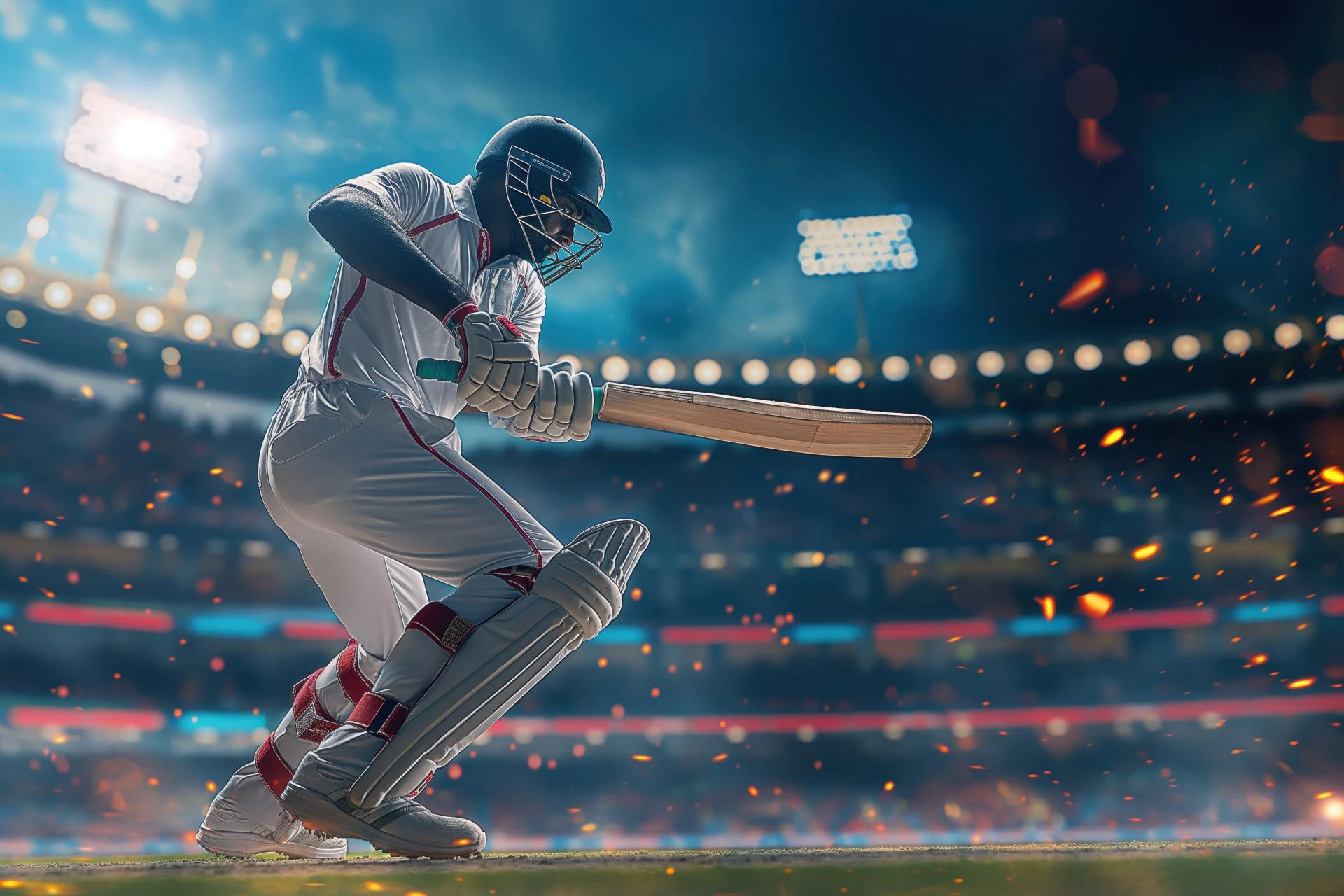
Speed measurement is crucial in sports and athletics to time races and track performance. Devices like laser speed guns and radar devices are used to measure the speed of athletes, balls, and other objects in motion.
Industrial Applications
In industrial settings, speed measuring devices are used to monitor the speed of machinery and conveyor belts. This helps in maintaining optimal performance, preventing wear and tear, and ensuring safety.
Scientific Research
Scientists use speed measuring instruments in various experiments and studies to collect accurate data. These devices help in understanding the dynamics of moving objects, whether in physics experiments or biological studies.
Benefits of Using Speed Measurement Devices
Accuracy and Precision
Speed measuring instruments provide accurate and precise measurements, which are crucial in many applications. Accurate speed measurement ensures compliance with regulations and improves safety.
Safety Improvements
In automotive and industrial applications, speed measuring devices help in maintaining safe operating conditions. They ensure that vehicles and machinery are not operating at unsafe speeds, reducing the risk of accidents.
Performance Monitoring and Optimization
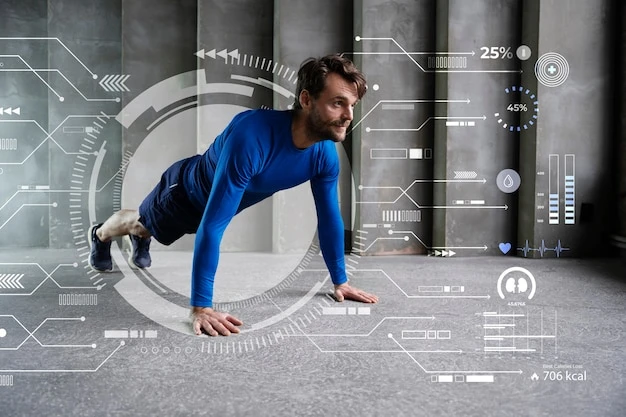
By measuring speed, it is possible to monitor and optimize the performance of vehicles, athletes, and machinery. This leads to improved efficiency, better performance, and extended lifespan of equipment.
Data Collection and Analysis
Speed measurement devices facilitate data collection and analysis, which is vital in scientific research and industrial applications. The data obtained can be used to make informed decisions, improve processes, and advance knowledge.
How to Choose the Right Speed Measuring Instrument
Choosing the right speed measuring instrument depends on several factors, including the specific application, required accuracy, and environmental conditions. Here are some tips to help you make the right choice:
Consider the Application
Identify the specific application for which you need the speed measuring instrument. Different applications require different types of devices. For example, a digital speedometer might be suitable for a vehicle, while a laser speed gun is ideal for law enforcement.
Accuracy and Precision
Determine the level of accuracy and precision required for your measurements. Some applications, such as scientific research, demand highly accurate devices, while others, like basic speed monitoring, may not require the same level of precision.
Environmental Conditions
Consider the environmental conditions in which the device will be used. Some speed measuring instruments, like Doppler radar devices, are effective in various conditions, while others may be sensitive to factors like weather or distance.
Budget
Finally, consider your budget. Speed measuring instruments vary in cost, so it\'s important to find a device that meets your needs without exceeding your budget.
Maintaining and Calibrating Your Speed Measuring Device
Regular maintenance and calibration are essential to ensure the accuracy and longevity of your speed measuring device. Here are some tips for maintaining and calibrating your device:
Regular Maintenance
Perform regular maintenance checks to keep your device in good working condition. This includes cleaning the device, checking for any signs of wear and tear, and replacing any damaged parts.
Calibration
Calibrate your speed measuring instrument periodically to ensure its accuracy. Calibration involves comparing the device\'s measurements with a known standard and making any necessary adjustments. Many manufacturers provide calibration services, or you can use a certified calibration laboratory.
Future Trends in Speed Measurement Technology
The field of speed measurement technology is continually evolving, with new advancements and innovations on the horizon. Some emerging trends include:
Integration with IoT
The integration of speed measuring devices with the Internet of Things (IoT) allows for real-time monitoring and data analysis. This can lead to improved accuracy, better performance monitoring, and enhanced safety.
Advanced Sensors
Advancements in sensor technology are leading to the development of more accurate and reliable speed measuring instruments. These sensors can provide more precise measurements and work effectively in various environmental conditions.
AI and Machine Learning
The use of artificial intelligence (AI) and machine learning in speed measurement technology can improve data analysis and prediction. These technologies can help in identifying patterns, making informed decisions, and optimizing performance.
By understanding the different types of speed measuring instruments, their applications, and benefits, you can make an informed decision about the right device for your needs. Whether you\'re in the automotive industry, sports, industrial settings, or scientific research, a speed measuring instrument can provide the accuracy and precision you need to achieve your goals.




















Sign in to leave a comment.