
One of the crucial phases during a home transaction is the inspection phase. Buyers need to be sure that the home they want to buy is 100% safe and habitable. Alternatively, sellers need to ensure that the house is a good prospect for buyers, meaning that it shouldn’t have defects or contain toxic substances.
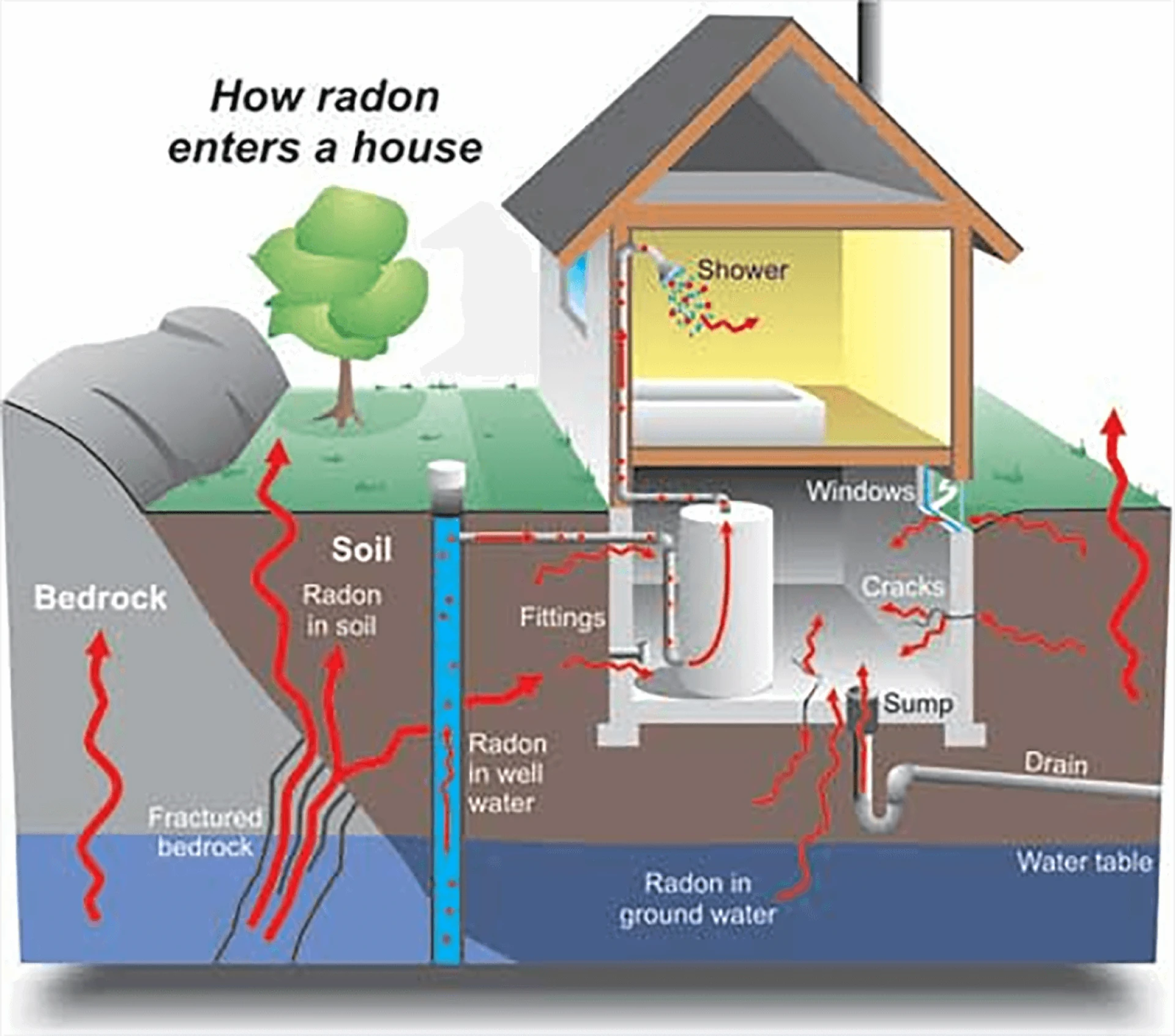
One common toxic substance commonly found in homes is Radon. This gas has deleterious effects on health, and it is nearly impossible to detect through conventional means like smell. This blog contains things you should know about radon as a buyer or a seller.
What is radon?
Radon is a radioactive element. It is a product of the natural decay of other radioactive elements like uranium and thorium. It occurs naturally as a gas and is odorless, colorless, and tasteless, meaning it is nearly impossible for homeowners to detect it at first. Radon is present everywhere, but the concentration outdoors is too low to be of concern. The problem arises when it is found in high amounts indoors. Here in Utah, 1 in 3 homes have high radon levels. The gas enters the house through the soil and cracks in the foundation and walls.
Radon is a carcinogen and radioactive and causes a wide range of conditions such as lung cancer, allergies, and asthmatic attacks. Other symptoms of radon poisoning include wheezing, chest pain, loss of appetite, etc. Severe radon exposure is the leading cause of lung cancer apart from smoking, and it considerably increases the chance of smokers developing cancer.
What should sellers do about radon levels?
Some states ( like Utah) require that the seller should disclose to the buyer about the radon levels and the presence of a mitigation system if present. This means as a seller, the state determines whether you should tell the prospective buyer about the radon levels. Nonetheless, we encourage all sellers to have a radon and mitigation system in Utah homes before accepting bids from buyers. Having all the right things in place will increase your likelihood of securing a sale.
How to detect radon before you buy a house?
Since you can’t detect radon during your personal inspection of the home, you need a professional radon inspection in Utah. If the seller says nothing about radon, you should. Note that your mortgage lender may not pay for radon testing. The home inspector will check for radon, along with other things like the structural integrity of the foundation, HVAC, etc. Radon is present everywhere, the results will always come back positive. However, the main reason for concern would be the amount detected. The maximum limit recommended by the Environmental Protection Agency (EPA) is 4 pCi/L (picocuries per liter). If the home concentration exceeds this level, you will need a radon mitigation system.
What is radon mitigation?
Radon mitigation refers to reducing harmful radon levels in a home or building to make it safe and habitable for the occupants. A mitigation system includes the process or steps needed to achieve this objective.
Should you buy a house with radon?
You can buy a house with radon. Radon gas installation in Utah is cost-effective and reliable. You can negotiate an agreement with the seller to determine who pays for the mitigation services.
Who pays for radon mitigation?
Sellers are not obligated to provide radon mitigation in Utah. However, they would benefit from having one or knowing the radon levels before accepting bids. As with other aspects of business, radon mitigation costs can be negotiated by both parties. The outcome of the negotiation can lead to different scenarios for both parties that include;
The buyer pays for mitigation after closing the deal.
The seller pays for the mitigation.
Seller provides a credit or allowance for radon mitigation.
The buyer or seller may choose the mitigation company as agreed upon.
What to do if you detect radon in a newly bought house?
What happens if you find radon in your newly bought home? Do you sue the seller or do you pay for radon mitigation and forget about it? If the seller didn’t inform you about the radon concentration in your home, or the inspector did not test for it, you will have to find a mitigation company yourself. Thankfully, radon mitigation in Utah is cost-effective and reliable.










Sign in to leave a comment.