




The SAFe-Agilist Exam evaluates your understanding of Lean-Agile principles, teamwork, leadership and the implementation of the Scaled Agile Framework. Candidates often underestimate the depth of knowledge expected in this certification. Reviewing the right topics helps you approach the exam confidently and ensures you understand how SAFe supports organizational agility. A clear study direction is essential because the exam measures both conceptual understanding and the ability to apply Lean-Agile practices in real situations.
Understanding the SAFe Framework
Before taking the exam, start with the foundation of the Scaled Agile Framework. Review the structure of SAFe, including teams, Agile Release Trains and portfolio alignment. Know how these layers connect and how they support continuous delivery. Understanding the purpose of SAFe and the challenges it solves prepares you for scenario questions that test your grasp of scaled practices.
Review Core Lean-Agile Principles
The Lean-Agile principles form the backbone of the certification. Review topics such as economic decision-making, transparency, decentralized control and flow optimization. These principles guide how organizations manage complexity and change. Many exam questions require you to identify which principle applies in a given situation, making a strong understanding essential.
Roles and Responsibilities in SAFe
The exam assesses your knowledge of the responsibilities within a SAFe environment. Study the roles of Agile teams, Product Owners, Scrum Masters, Release Train Engineers and Lean-Agile leaders. You should understand how each role contributes to team success and program alignment. Knowing these details helps you answer questions involving decision-making and leadership.
Agile Release Trains and Program Execution
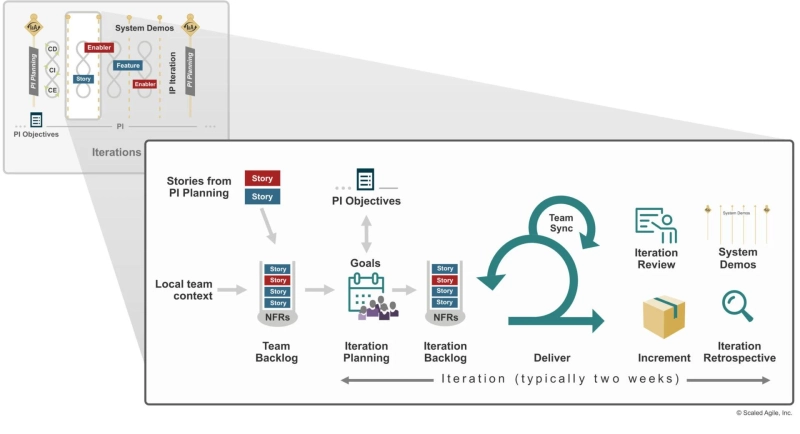
Agile Release Trains are central to SAFe. Review how ARTs plan work, deliver features and support continuous improvement. Learn how PI Planning works, the purpose of iteration goals and how teams commit to program objectives. This knowledge helps you understand how large groups coordinate work across multiple teams.
Continuous Delivery and DevOps
The SAFe-Agilist Exam includes topics related to continuous delivery and DevOps culture. Review practices such as automation, pipeline flow, quality assurance and deployment strategies. A strong understanding of these concepts helps you connect technical practices with business outcomes. This is important because the exam includes questions that blend process knowledge with practical application.
Exam Preparation Tips
Before the exam, revise core concepts and practice with Scaled Agile Certification Exams Questions. Focus on topics that test practical understanding rather than memorization. Review diagrams, value stream maps and the structure of SAFe to build confidence. A clear and steady approach helps you stay focused during the exam and answer questions based on real understanding.
Business Agility and Customer Focus
Review how SAFe supports business agility by improving responsiveness and customer value. Understand how Lean Portfolio Management connects strategy with execution. The exam often includes questions about prioritization, benefits realization and decision-making. Knowing how customer needs influence planning helps you respond accurately to these scenarios.
Leadership in a SAFe Environment
Leadership plays a major role in SAFe. Study the qualities of Lean-Agile leaders, including coaching, empowerment and the ability to support continuous learning. You should understand how leadership influences team culture and operational success. These points often appear in exam questions focused on team alignment and strategic direction.
Conclusion
Preparing for the SAFe-Agilist Exam requires review of the framework, core principles, leadership practices and the structure of program execution. When you study these key areas, you strengthen your ability to apply Lean-Agile thinking in real scenarios. A focused and well-organized study plan ensures you understand the full scope of the certification and approach the exam with confidence.