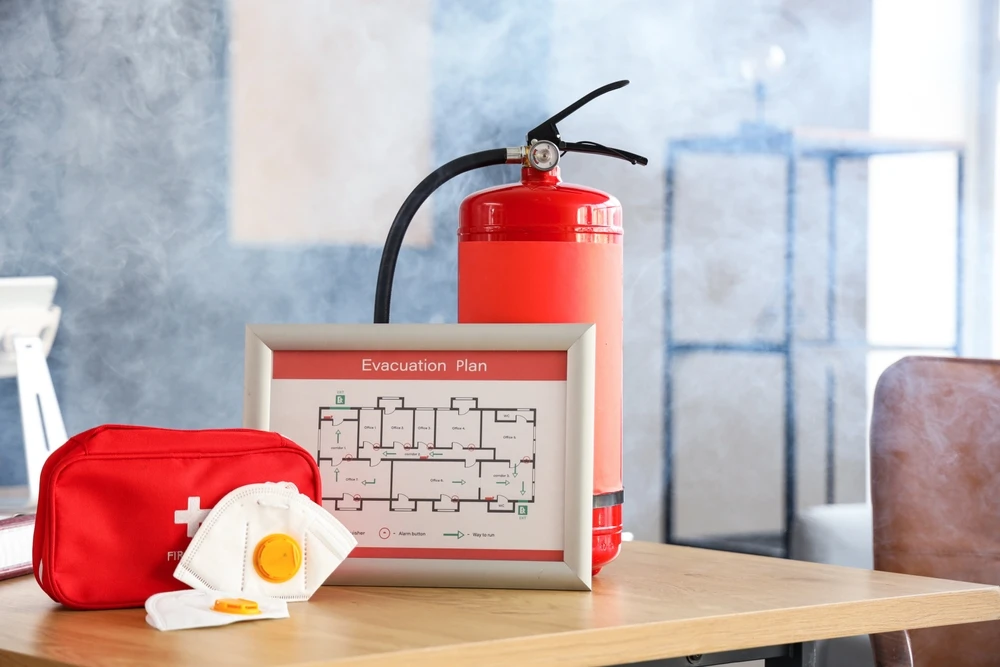

Accidents happen when you least expect them. Whether it's a minor injury like a paper cut or something more serious like a heart attack, knowing how to respond quickly can make all the difference. That's why first aid training is an essential part of workplace safety training. By equipping your employees with these critical skills, you not only reduce the risk of further injury but also help ensure a safer, more confident workplace.
Here we will walk through the top 5 first aid skills that every workplace should include in its safety training program. These skills are simple yet life-saving, and they ensure your team is prepared for emergencies, no matter how big or small.
1. CPR (Cardiopulmonary Resuscitation)
When someone’s heart stops beating, every second counts. CPR is one of the most important first aid skills employees can learn. Sudden cardiac arrest can happen anywhere—at the office, factory, or even on a construction site. If no one is trained to perform CPR, the person’s chances of survival decrease dramatically.
Why it’s Crucial for Workplace Safety:
Learning CPR can save a life. Employees who are trained to perform CPR can buy valuable time while waiting for emergency medical help to arrive. This skill should be a fundamental part of any workplace safety training program, particularly in high-risk industries like construction, manufacturing, and healthcare.
What Employees Learn in CPR Training:
- How to recognize when someone is unresponsive and not breathing
- How to perform chest compressions correctly
- How to use an Automated External Defibrillator (AED), if available
2. Treating Cuts, Scrapes, and Minor Bleeding
Accidents happen, and minor injuries like cuts, scrapes, and abrasions are common in many workplaces. While these injuries might seem small, improper treatment can lead to infections, and untreated bleeding can worsen quickly.
Why it’s Crucial for Workplace Safety:
Knowing how to stop bleeding and properly clean and dress a wound is vital for all employees. With the right first aid training, employees can prevent small injuries from turning into major issues. In environments where workers deal with tools, machinery, or even office equipment, these basic skills can reduce the risk of infections and long-term complications.
What Employees Learn in First Aid Training:
- How to apply pressure to stop bleeding
- How to clean a wound and dress it correctly to prevent infection
- Recognizing when medical help is necessary for more serious cuts or scrapes
3. Handling Burns Effectively
Burns, both minor and serious, are common in workplaces with kitchens, labs, or manufacturing environments. Whether caused by a hot surface, chemicals, or electrical equipment, burns need to be treated quickly to prevent further damage and reduce pain.
Why it’s Crucial for Workplace Safety:
In workplaces where burns are a risk—like in kitchens, factories, or labs—employees should be trained in the correct way to handle burns. Improper treatment of burns can make the injury worse, leading to more pain and complications.
What Employees Learn in First Aid Training:
- How to treat minor burns with cool running water (not ice)
- The importance of not applying creams or ointments to burns
- How to recognize when a burn is severe enough to require medical attention
4. Responding to Choking Incidents
Choking is a life-threatening emergency that can occur suddenly, whether someone is eating, talking, or even laughing. When someone is choking, their airway is blocked, and they can't breathe. First aid training teaches employees the right techniques to clear the airway and restore breathing.
Why it’s Crucial for Workplace Safety:
In any workplace, but especially in offices or cafeterias, choking can happen at any time. If someone starts choking, the ability to act quickly can save their life. Training employees to perform the Heimlich maneuver (abdominal thrusts) is essential for creating a safer work environment.
What Employees Learn in First Aid Training:
- How to perform abdominal thrusts (the Heimlich maneuver)
- How to perform the Heimlich on a person who is unconscious
- How to check if the person’s airway is clear after performing the maneuver
5. Recognizing and Responding to Allergic Reactions
Food allergies, insect bites, and chemical sensitivities are common triggers for allergic reactions in the workplace. In some cases, allergic reactions can escalate quickly into anaphylaxis, a severe reaction that can cause difficulty breathing and even death. That’s why knowing how to recognize and respond to allergic reactions is essential.
Why it’s Crucial for Workplace Safety:
If your workplace involves food service, chemicals, or close interactions with the public, employees must be trained to recognize signs of an allergic reaction and know how to respond. Quick action can prevent an allergic reaction from becoming a life-threatening emergency.
What Employees Learn in First Aid Training:
- How to recognize symptoms of an allergic reaction (hives, swelling, difficulty breathing)
- How to use an epinephrine auto-injector (EpiPen)
- When to call emergency services for help
Why Include First Aid Training in Workplace Safety Programs?
When it comes to workplace safety training, first aid skills are crucial. Not only do these skills save lives, but they also create a culture of preparedness in the workplace. Employees who feel trained and equipped to handle emergencies are more confident, and they are more likely to take proactive steps to keep themselves and their coworkers safe.
By including first aid training as part of your workplace safety program, you’re ensuring that your team knows how to respond in critical situations. Whether it’s performing CPR, handling a minor injury, or responding to an allergic reaction, these first aid skills can prevent minor issues from becoming major problems.
Conclusion
Every workplace is bound to experience injuries or emergencies at some point. By teaching employees these five essential first aid skills, you’re not only helping them respond quickly to accidents, but you’re also creating a safer, more confident work environment. When employees feel empowered with the right knowledge and skills, it promotes a culture of safety and well-being.
Ready to improve your workplace safety? Enroll your team in first aid training today and ensure they’re prepared to handle emergencies when it matters most.

















Sign in to leave a comment.