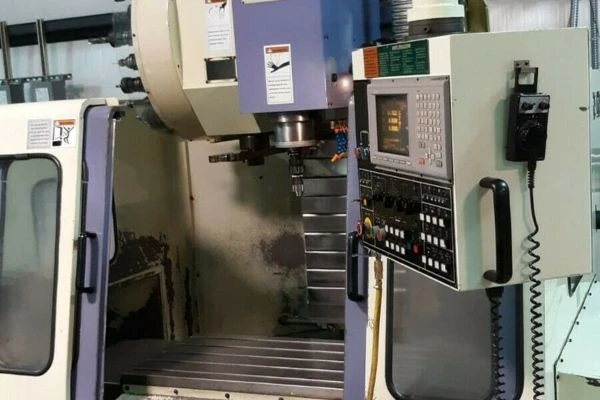

There’s something deeply satisfying about watching a CNC machine execute a program you wrote — the hum of the spindle, the smooth sweep of the toolpath, the perfect chip formation. But as every machinist knows, getting to that point takes more than just punching in some G-codes and hoping for the best. It takes finesse, foresight, and a little bit of hard-earned wisdom.
Whether you’re just starting out or have logged thousands of hours behind the control panel, here are seven CNC programming tips that can save your time, tools, and sanity — all from the trenches of real-world machining.
1. Always Simulate Before You Cut
Imagine this: You’ve spent hours writing a complex program, loaded up an expensive piece of material, hit cycle start… and suddenly your spindle plows straight through a clamp. Every machinist has a war story like that.
The fix? Simulate every program. Most modern CAM software comes with simulation features, and there’s no excuse not to use them. It lets you spot tool crashes, clearance issues, and program logic mistakes before they turn into scrap — or worse, machine damage.
Pro Tip: Even a basic backplot on your CNC controller can reveal a lot. Use it religiously.
2. Understand the Machine You’re Programming For
Not all CNC machines are created equal. A program that runs flawlessly on one machine may cause alarms or poor finishes on another. Know your machine’s capabilities: acceleration rates, max feed, spindle limits, and quirks (yes, machines have personalities too).
Think of it like writing music for an instrument — you wouldn’t hand a violinist a score written for a piano.
3. Optimize Your Toolpaths for Efficiency, Not Just Motion
It’s easy to get focused on simply getting the part done, but efficient toolpathing is where the real magic happens. Try to reduce non-cutting movements, minimize retracts, and nest operations to reduce tool changes when possible.
A five-minute part cut down to three minutes over 500 pieces? That’s nearly 17 hours saved. Efficiency is profit.
Real Talk: Don’t be afraid to break the “rules” if it saves time and your finish quality holds. Practical results > textbook perfection.
4. Know Your Tools — Inside and Out
Tooling is a world unto itself, and the best programmers are borderline obsessive about it. Feed rates, chip loads, cutter engagement — it all matters. The wrong tool choice or speed/feed setting can lead to chatter, premature wear, or even tool breakage.
Keep a tooling database. Learn from your shop’s tooling reps. And most importantly, test and tweak your settings based on real results, not just manufacturer recommendations.
5. Write for the Operator, Not Just the Machine
Your program might be technically perfect, but if the operator can’t follow it, you’re asking for trouble. Use comments generously. Label tool numbers clearly. Note setups and offsets.
Good communication on the shop floor often starts with your code. A well-annotated program is like leaving a trail of breadcrumbs — it’s your way of saying, “Hey, I’ve got your back.”
6. Think Ahead — Setup Matters
Programming doesn’t start at the keyboard; it starts at the vise. A smart setup can simplify your code, reduce the chance of errors, and make inspection a breeze. Before you even begin writing a program, ask: How will this be fixtured? Where will my zero be? What’s the most logical sequence of operations?
Plan for repeatability, especially in production work. You’ll thank yourself later.
7. Never Stop Learning
The CNC world moves fast. New tooling tech, software updates, better strategies — it’s a constant evolution. Make it a habit to read industry blogs, attend webinars, experiment with new techniques, or just talk shop with peers. Every day is a chance to pick up a new trick or avoid a costly mistake.
And let’s face it — part of what makes this trade so addictive is the endless learning curve.
Final Thoughts
Great CNC programming is a mix of science, craftsmanship, and intuition. It’s about more than just knowing the codes — it’s about understanding the machine, the material, the workflow, and the people on the floor.
So whether you’re dialing in a high-precision aerospace component or cranking out a run of fixtures, remember these tips. They’re born from busted tools, late-night reworks, and hard-earned lessons — but they’ll save you more than a few headaches along the way.
Happy programming, machinist. Keep those chips flying.






















Sign in to leave a comment.