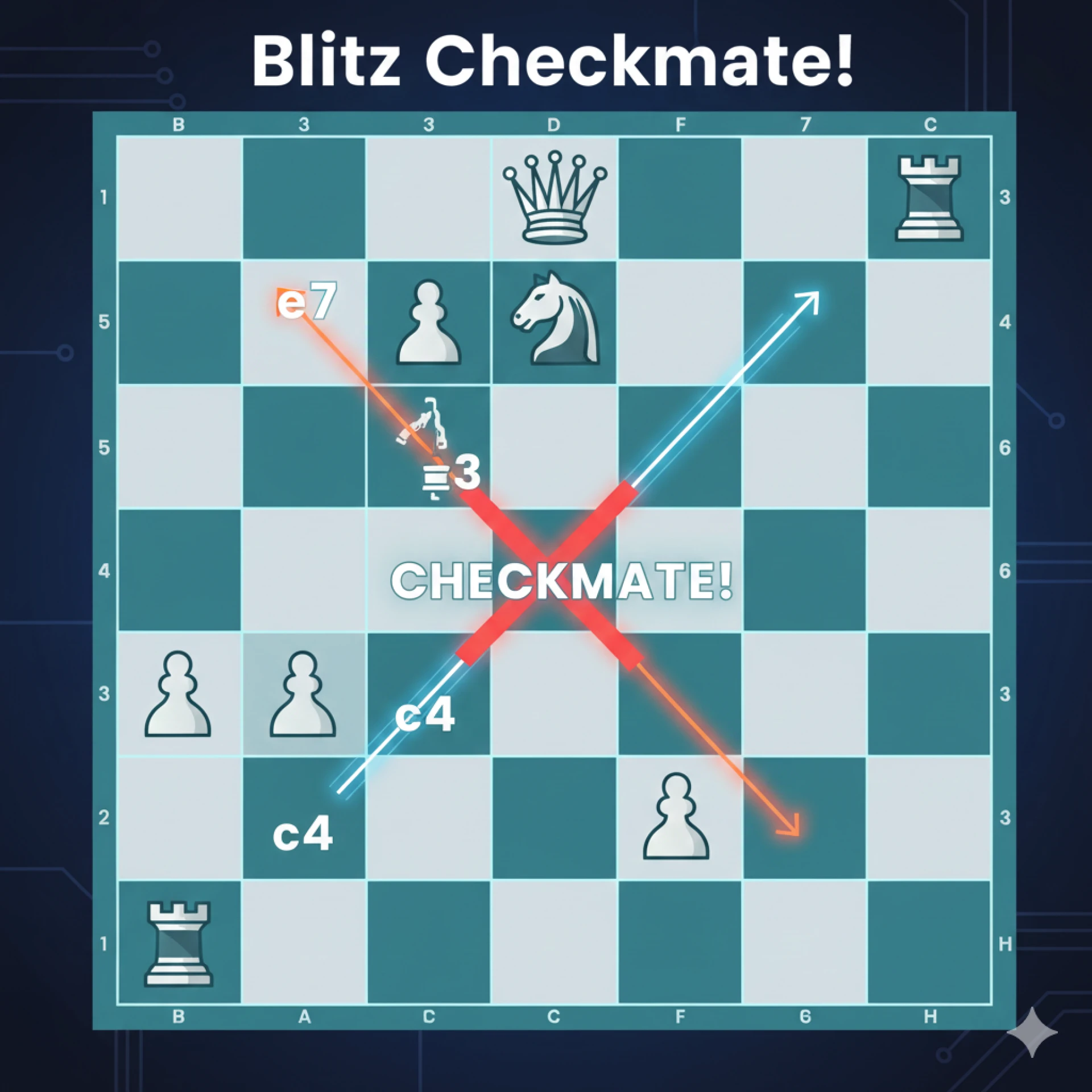

If you've ever been caught off guard by a lightning-fast checkmate while playing online, you're not alone. Quick checkmates have become surprisingly common in the digital chess world, especially with the rise of blitz and bullet formats where every second counts. Players rush their moves, make impulsive decisions, and often fall victim to classic traps they never saw coming.
In this article, we'll explore the fastest checkmate tricks that dominate online chess platforms and teach you how to execute them—and more importantly, how to defend against them.
Why Fast Checkmates Happen Online
When you play chess online, the pace changes everything. Unlike over-the-board games where you have time to think, online blitz and bullet games push players to make decisions in seconds. This leads to rushed moves, overlooked threats, and tactical blunders.
Many beginners ignore basic opening principles. They push random pawns, bring their queen out too early, or forget to develop their pieces. Worse yet, most casual players have zero knowledge about classic traps, making them easy targets for experienced opponents who know these rapid checkmate patterns.
The combination of time pressure and lack of preparation creates the perfect storm for devastating early defeats.
Fool's Mate: The Quickest Checkmate Possible
What It Is
Fool's Mate is the fastest possible checkmate in chess—delivered in just two moves. It happens when White makes the catastrophic mistake of weakening the dark squares around their king with moves like f3 and g4, allowing Black's queen to swoop in with Qh4#.
While this quick chess mate is incredibly rare at higher levels, it appears more often than you'd think in beginner games online.
Why Players Fall for It Online
New players love experimenting with random pawn pushes without understanding the consequences. They see the flank pawns and think, "Why not?" Unfortunately, moving f and g pawns early creates fatal weaknesses that skilled opponents exploit instantly.
Key Takeaway
Never weaken the squares around your king in the opening. Those pawns are your king's shield—removing them invites disaster.
Scholar's Mate: The Most Popular Fast Checkmate
How the Trick Works
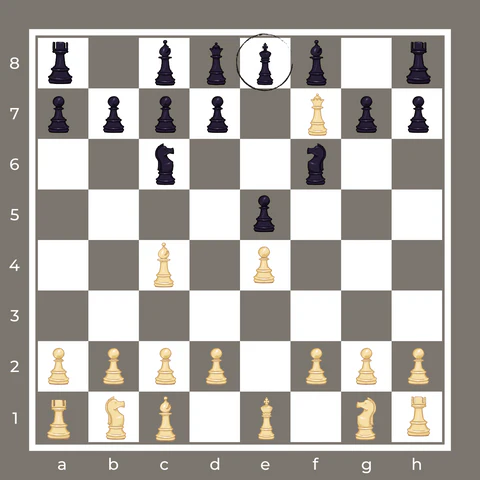
Scholar's Mate is arguably the most famous early checkmate trap in chess. It targets the vulnerable f7 square for Black (or f2 for White) using a simple queen and bishop battery. The classic pattern goes: 1.e4 e5 2.Bc4 Nc6 3.Qh5 Nf6?? 4.Qxf7#.
The f7 pawn is only defended by the king in the starting position, making it the weakest point on the board. When attackers coordinate their queen and bishop, checkmate arrives in four moves.
Why It's So Common in Online Games
Scholar's Mate works because it's easy to learn and execute, especially in bullet chess where opponents have mere seconds to spot the threat. Many players focus on developing their own pieces and completely miss the incoming attack.
How to Avoid It
The defense is simple: develop your knights and bishops early, keep an eye on your weak squares, and never ignore direct threats to your king. If you see Qh5 or Qf3 early, respond immediately with defensive moves like g6 or Nf6.
The Blitz Trap Checkmate
Overview
Blitz traps are deadly combinations that thrive in fast-paced games where players skip proper development. These aren't named patterns but rather spontaneous tactical sequences that catch unprepared opponents.
Pattern
The typical scenario involves a king stuck in the center while the opponent coordinates their queen with minor pieces (knights or bishops) to deliver a sudden checkmate. The victim usually spent too much time moving pawns or chasing material instead of castling.
Important Lesson
When you play chess online in blitz formats, castle early—preferably within the first 7-10 moves. Getting your king to safety dramatically reduces the chance of surprise checkmates. This simple habit will save you from countless beginner chess tactics that punish unsafe kings.
Legal's Trap Mate: A Powerful Surprise Weapon
How It Works
Legal's Trap is a brilliant tactical sequence where you sacrifice your queen to deliver checkmate with your knights and bishop. The basic pattern involves offering your queen as bait while your minor pieces swarm the enemy king.
The classic position arises from the Italian Game when your opponent greedily captures your queen, only to face Nxf7+ followed by Nd5, creating an unstoppable mating attack.
Why It Works Online
Players online get tunnel vision when they see a hanging queen. They grab it immediately without calculating the consequences. This checkmate pattern exploits that greed perfectly.
When to Use It
Only deploy Legal's Trap when your knights and bishop are actively developed and coordinated. Random queen sacrifices without proper support will just lose you the game.
Damiano Defense Trap
How the Quick Mate Happens
The Damiano Defense is a flawed opening where Black plays 1.e4 e5 2.Nf3 f6?—a move that fatally weakens the king's position. White can immediately punish this with 3.Nxe5! fxe5 4.Qh5+ g6 5.Qxe5+ winning material or delivering checkmate shortly after.
Common Online Scenario
Beginners frequently make random pawn moves without considering king safety. The f6 push looks aggressive but actually opens deadly lines toward the king. This is a textbook example of early checkmate traps that beginners should memorize.
Early Gambits Leading to Fast Checkmates
Gambits are aggressive openings where you sacrifice material for rapid development and attacking chances. Several popular gambits frequently lead to quick chess mate victories online:
Examples
- Danish Gambit: White sacrifices two pawns for explosive piece activity. Black must defend carefully or face a devastating attack on the kingside.
- Vienna Gambit: White plays f4 early, opening lines toward Black's king. Weak defenders often collapse under the pressure.
- Stafford Gambit: This dubious but popular gambit (1.e4 e5 2.Nf3 Nf6 3.Nxe5 Nc6) leads to wild tactical complications where Black gets surprising counterplay. It's incredibly effective in blitz chess because White doesn't know the traps.
Why They Work
Aggressive lines force your opponent to defend accurately under time pressure. One mistake leads to a cascade of problems ending in checkmate. These gambits are gold mines for rapid checkmate patterns in online play.
Repeated Patterns in Fast Checkmates
After studying hundreds of quick online checkmates, several patterns emerge consistently:
The weak f-square (f2 for White, f7 for Black) gets targeted in almost every fast checkmate. It's the Achilles heel of the starting position.
Early queen involvement dominates successful attacks. While bringing your queen out too early can backfire, coordinated queen attacks with support are devastating.
Lack of piece development is the victim's common trait. Players who move only pawns or their queen fall victim to beginner chess tactics regularly.
Kings left in the center are sitting ducks. Without castling, your king remains vulnerable to every tactical shot your opponent finds.
Understanding these patterns helps you recognize danger before it's too late.
How to Use These Fast Checkmate Tricks Correctly

Fast checkmates are powerful weapons, but you need to use them wisely. Deploy them to punish weak opponents who don't know basic opening theory. If someone plays random moves in the opening, make them pay immediately.
However, don't rely on these tricks against strong players. Experienced opponents know all these traps and will easily refute them, leaving you in a worse position.
Instead, treat these patterns as tactical training exercises. Understanding how they work improves your overall chess vision and helps you spot similar checkmate pattern opportunities in your games.
How to Protect Yourself From Fast Checkmates
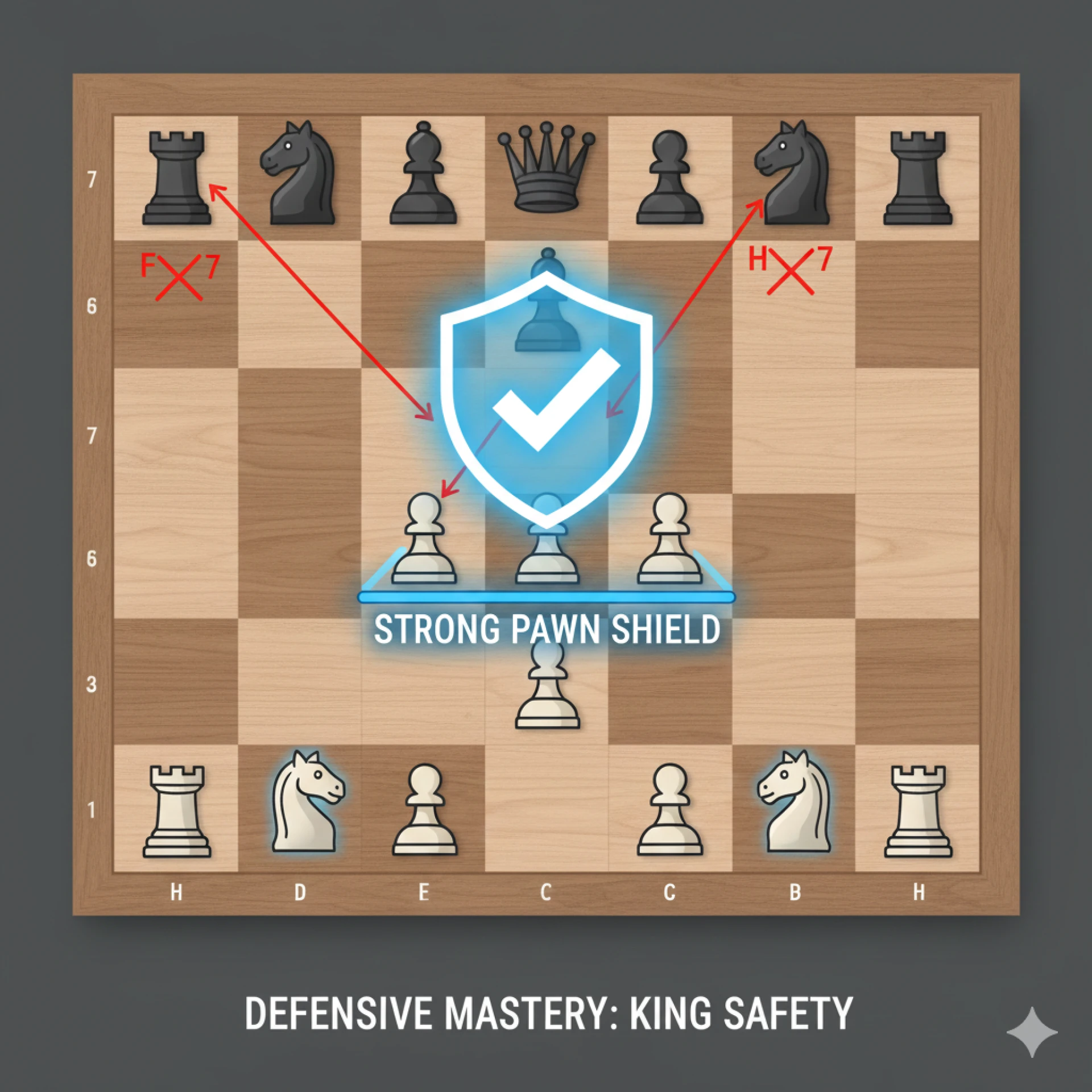
Defense starts with following basic opening principles: develop your pieces, castle early, and control the center. These fundamentals create a solid foundation that resists most cheap tricks.
Avoid unnecessary early queen moves. Your queen is powerful but also vulnerable. Bringing it out before your other pieces develop usually backfires.
Learn common traps so you recognize them instantly. Once you've seen Scholar's Mate or the Stafford Gambit traps, you'll spot them immediately in future games. This knowledge transforms from theoretical to practical, saving you countless losses.
Study early checkmate traps regularly, even if you think you know them. Repetition builds pattern recognition, making defensive moves automatic rather than calculated.
When you play chess online, stay alert even in fast games. One careless move can end everything, but staying focused gives you the best chance to survive the opening and reach a playable middlegame.
Conclusion
Fast checkmates are both entertaining and educational tools that every chess player should understand. Whether you're delivering them to unsuspecting opponents or defending against them in your own games, these rapid checkmate patterns teach valuable lessons about king safety, piece coordination, and tactical awareness. Study these tricks, practice the defenses, and you'll notice immediate improvement in your results when you play chess online.


























Sign in to leave a comment.