




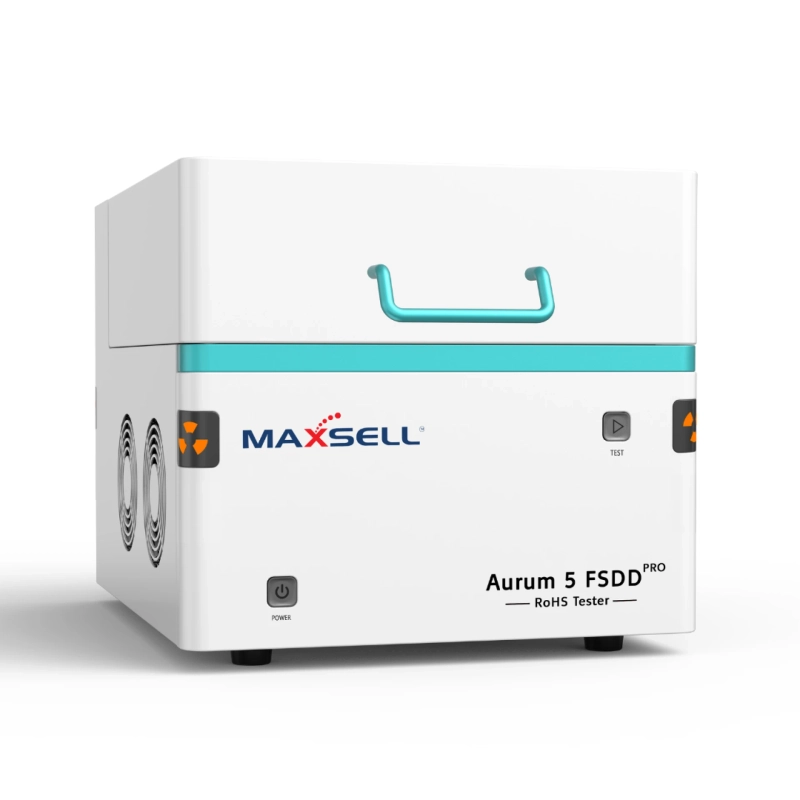
RoHS (Restriction of Hazardous Substances) compliance is a crucial requirement for manufacturers, especially in the electronics, automotive, and consumer goods industries. A reliable RoHS testing machine ensures that products meet regulatory standards by detecting hazardous substances like lead, mercury, cadmium, and other restricted elements. Investing in a high-quality RoHS testing machine can streamline compliance, improve product safety, and enhance brand credibility.
With various options available, selecting the right RoHS testing machine requires understanding key features that impact accuracy, efficiency, and ease of use. This guide explores the essential features to consider when choosing a high-quality RoHS testing machine.
High Accuracy and Sensitivity
Precision is the most critical factor in a RoHS testing machine. The device must be capable of detecting even trace amounts of restricted substances to ensure compliance with strict environmental regulations. Advanced Energy Dispersive X-ray Fluorescence (EDXRF) technology provides high sensitivity, delivering precise results in a non-destructive manner.
Fast and Reliable Testing
In manufacturing and quality control processes, time is crucial. A high-quality RoHS testing machine should deliver results within minutes, allowing businesses to maintain efficient workflows. Modern machines offer real-time analysis, reducing the need for lengthy lab-based testing and minimizing production delays.
Non-Destructive Testing Capabilities
A good RoHS testing machine should analyze materials without damaging the sample. Non-destructive testing (NDT) ensures that valuable components remain intact while still obtaining accurate measurements of hazardous substances. This feature is especially beneficial for testing finished products and sensitive components.
User-Friendly Interface and Software
An intuitive interface simplifies operation, even for users with minimal technical expertise. A well-designed RoHS testing machine should include:
- Touchscreen controls for easy navigation
- Pre-set testing modes for different materials
- Automated calibration for consistent accuracy
- Comprehensive data management and reporting capabilities
Modern machines also feature cloud connectivity and remote access, allowing users to monitor and analyze test results from anywhere.
Multi-Element Detection
A reliable RoHS testing machine should detect multiple restricted substances in a single test. This includes:
- Lead (Pb)
- Mercury (Hg)
- Cadmium (Cd)
- Hexavalent Chromium (Cr6+)
- Polybrominated Biphenyls (PBBs)
- Polybrominated Diphenyl Ethers (PBDEs)
Multi-element detection ensures thorough compliance testing across different industries, from electronics to consumer goods.
Compliance with Global Standards
A high-quality RoHS testing machine must meet international regulatory standards, including:
- RoHS 2 (Directive 2011/65/EU) – Covers electronic and electrical equipment
- WEEE (Waste Electrical and Electronic Equipment Directive) – Ensures environmentally responsible disposal
- REACH (Registration, Evaluation, Authorization, and Restriction of Chemicals) – Regulates chemicals used in manufacturing
Ensuring compliance with these regulations helps businesses avoid penalties, recalls, and reputational damage.
Portability and Compact Design
For businesses that require on-site testing, a portable RoHS testing machine is a valuable asset. Handheld or benchtop models allow manufacturers, suppliers, and inspectors to conduct tests directly on production lines, warehouses, or supplier locations without transporting samples to a lab.
Advanced Spectroscopy Technology
EDXRF (Energy Dispersive X-ray Fluorescence) technology is widely used in RoHS testing due to its:
- High precision in elemental analysis
- Non-destructive testing ability
- Quick and efficient results
Some advanced machines also feature microspot analysis, enabling precise testing of small components, coatings, and solder joints.
Durability and Low Maintenance
A high-quality RoHS testing machine should be built with durable materials to withstand long-term use in industrial environments. Machines with self-calibration features, easy-to-replace components, and minimal maintenance requirements ensure a longer lifespan and lower operating costs.
Comprehensive Data Storage and Reporting
Regulatory compliance often requires detailed documentation and traceability. A top-tier RoHS testing machine should include:
- Internal memory for storing test results
- Export options for detailed compliance reports
- Integration with quality management systems for seamless record-keeping
This feature helps businesses maintain regulatory records, track compliance trends, and share data with auditors or clients.