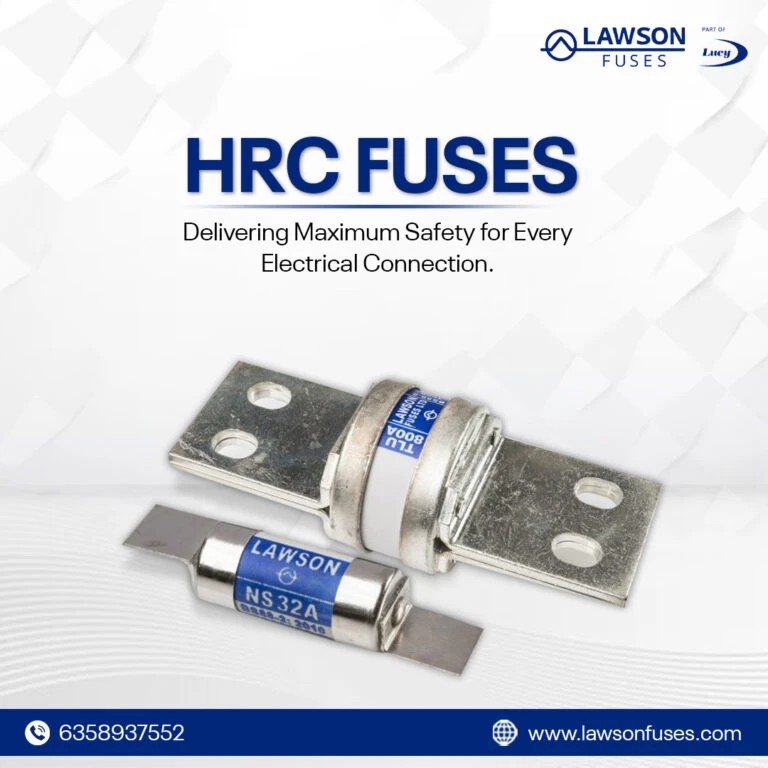

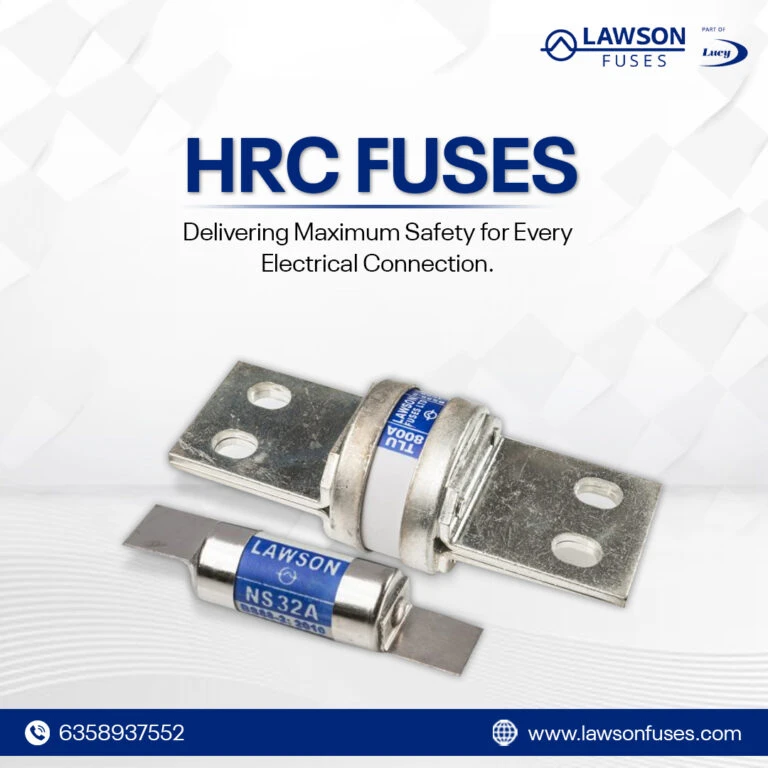
In today's high-demand industrial environments, reliable electrical protection is non-negotiable. Factories, manufacturing plants, and heavy machinery operations face constant risks from overloads, short circuits, and faults. That's where HRC Fuses shine. High Rupturing Capacity (HRC) fuses are engineered to interrupt massive fault currents—up to 80kA or more—safely and swiftly, preventing catastrophic failures.
Unlike standard fuses, HRC Fuses feature a ceramic body filled with silica sand, which quenches arcs instantly. This makes them ideal for industrial electrical protection, safeguarding expensive equipment and ensuring worker safety. If you're searching for the top HRC Fuses, this guide breaks down the best options, their specs, and why they outperform alternatives.
What Makes HRC Fuses Essential for Industrial Use?
HRC Fuses stand out due to their superior interrupting capacity, typically rated from 80kA to 200kA AC. This high rupturing capacity handles extreme short-circuit currents without exploding or failing, a common issue with low-rated fuses.
Key advantages include:
- Rapid Response Time: Blow in milliseconds to isolate faults.
- High Thermal Stability: Withstand temperatures up to 1000°C.
- Compact Design: Fit into tight panels without sacrificing performance.
- Compliance Standards: Meet IEC 60269 and BS 88 for global reliability.
In industrial settings like steel mills or data centers, HRC Fuses prevent downtime costing thousands per hour. They're categorized by voltage (e.g., 415V, 690V) and current ratings (16A to 630A), making selection straightforward.
Top HRC Fuses for Industrial Electrical Protection
Here are the top HRC Fuses recommended for industrial applications, based on performance, availability, and user reviews from platforms like RS Components and Digi-Key.
1. Siemens 3NA Series HRC Fuses
Siemens leads with the 3NA series, perfect for motor protection up to 630A at 690V. These HRC Fuses offer a 200kA breaking capacity and striker pins for visual fault indication.
Pros:
- Dual AC/DC rating for versatile use.
- Compact size for MCC panels.
- Price: ~₹500-₹2000 per unit.
Ideal for conveyor systems and pumps. Breaking capacity: 200kA.
2. ABB DEF Series HRC Fuses
ABB's DEF fuses excel in heavy-duty scenarios, rated 500V-690V with 80kA capacity. Their offset tag design simplifies installation in fuse bases.
Key Features:
- Partial range protection for gG/gL types.
- Excellent arc quenching with quartz filler.
- Cost-effective bulk packs.
Great for transformers and distribution boards. Users praise their longevity in dusty environments.
3. L&T (Schneider Electric) NH HRC Fuses
L&T's NH00 to NH3 sizes dominate Indian markets, handling 500V/80kA. These blade-style HRC Fuses include micro-switches for remote signaling.
Standout Specs:
- IP20 protection rating.
- Sizes from 2A to 500A.
- Affordable: ₹300-₹1500.
Perfect for steel plants and cement factories, where vibration is high.
4. Eaton Bussmann NH HRC Fuses
Eaton's arc-free technology in NH fuses provides ultra-fast operation (<1ms). Rated for 690V/200kA, they're favored in renewable energy setups.
Benefits:
- Low watt-loss for energy efficiency.
- Finger-safe design.
- Global certifications.
5. Mersen (Ferraz Shawmut) HRC Fuses
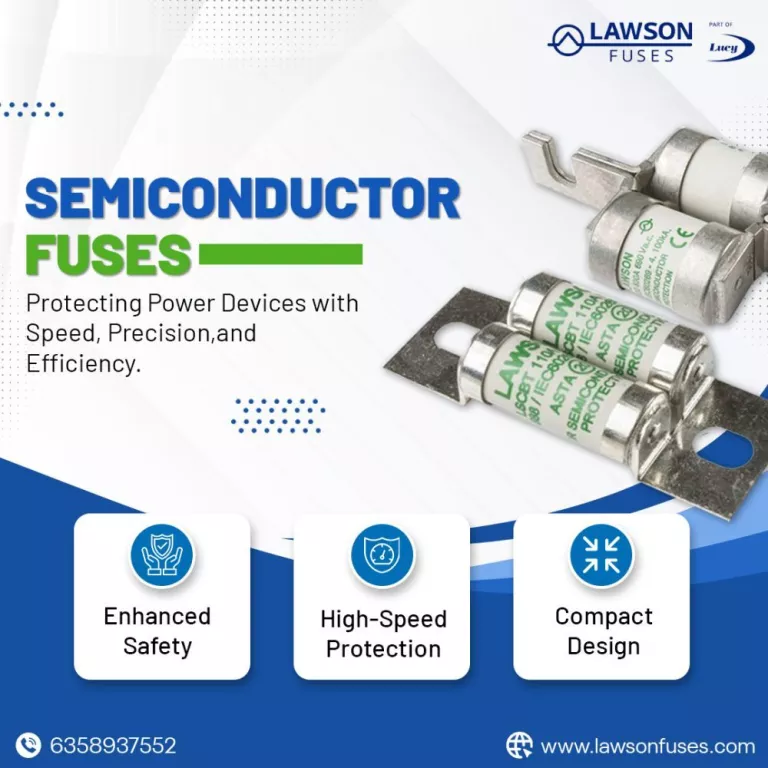
For specialized needs, Mersen's 690V fuses offer smart features like blown-fuse indicators. Their high-speed variants suit semiconductor protection.
Comparison Table: Top HRC Fuses
| Brand/Model | Voltage | Breaking Capacity | Current Range | Best For | Price Range (₹) |
|---|---|---|---|---|---|
| Siemens 3NA | 690V | 200kA | 2-630A | Motors | 500-2000 |
| ABB DEF | 690V | 80kA | 2-1250A | Transformers | 400-1800 |
| L&T NH | 500V | 80kA | 2-500A | Panels | 300-1500 |
| Eaton NH | 690V | 200kA | 10-400A | Renewables | 600-2500 |
| Mersen | 690V | 200kA | 16-630A | Semiconductors | 700-2200 |
How to Select the Right HRC Fuse for Your Needs
Choosing top HRC Fuses boils down to these steps:
- Assess Fault Current: Calculate prospective short-circuit current using Isc=VZIsc=ZV, where V is voltage and Z is impedance.
- Match Ratings: Ensure fuse current > load by 1.25x; voltage ≥ system voltage.
- Consider Coordination: Use time-current curves for selectivity with upstream breakers.
- Environment Check: Opt for IP-rated bases in harsh conditions.
- Budget vs. Longevity: Premium brands like Siemens reduce replacements.
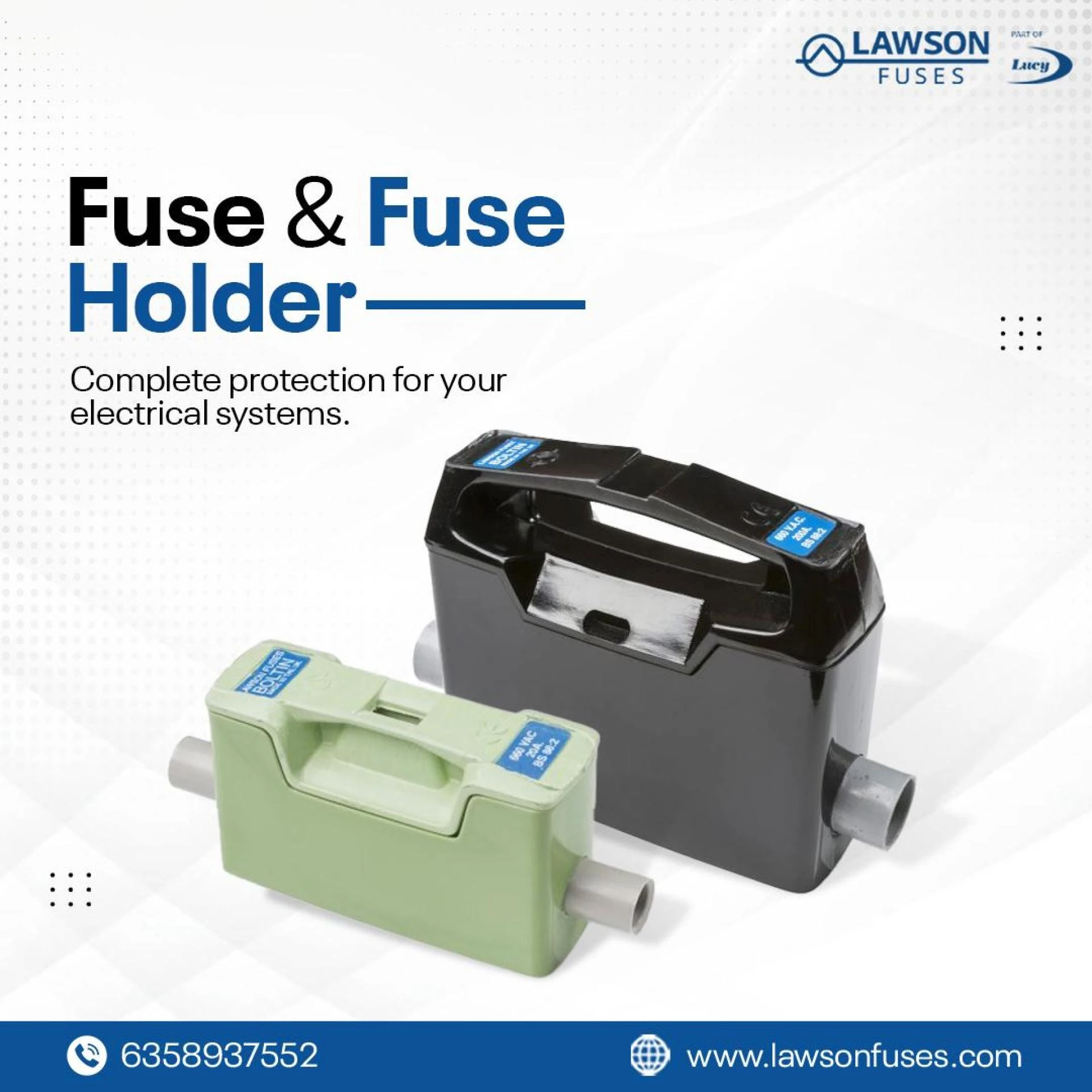
Pro Tip: Always pair HRC Fuses with compatible holders from the same manufacturer for optimal safety.
Installation and Maintenance Best Practices
Proper setup maximizes HRC Fuses lifespan:
- Torque bolts to spec (e.g., 10Nm for NH2).
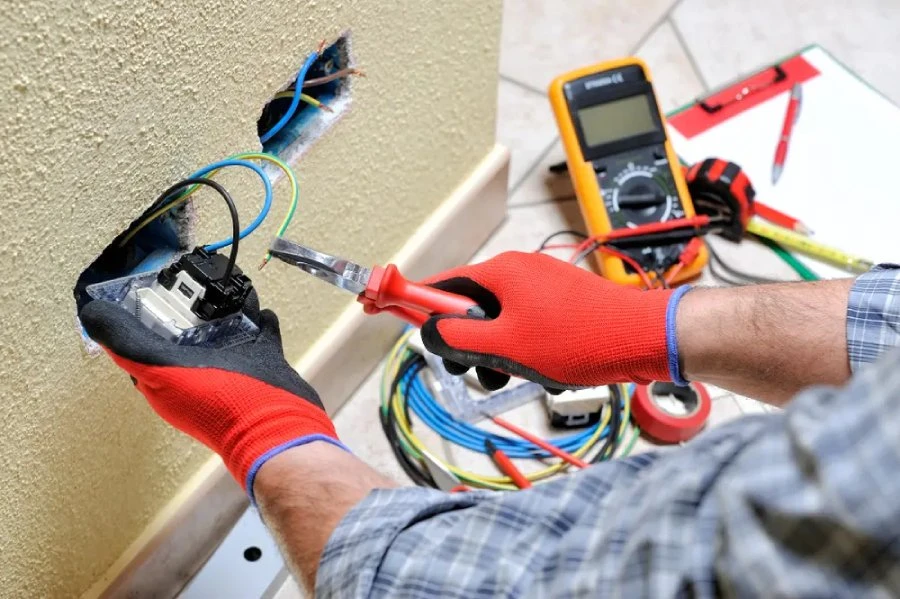
- Use insulated tools to avoid live faults.
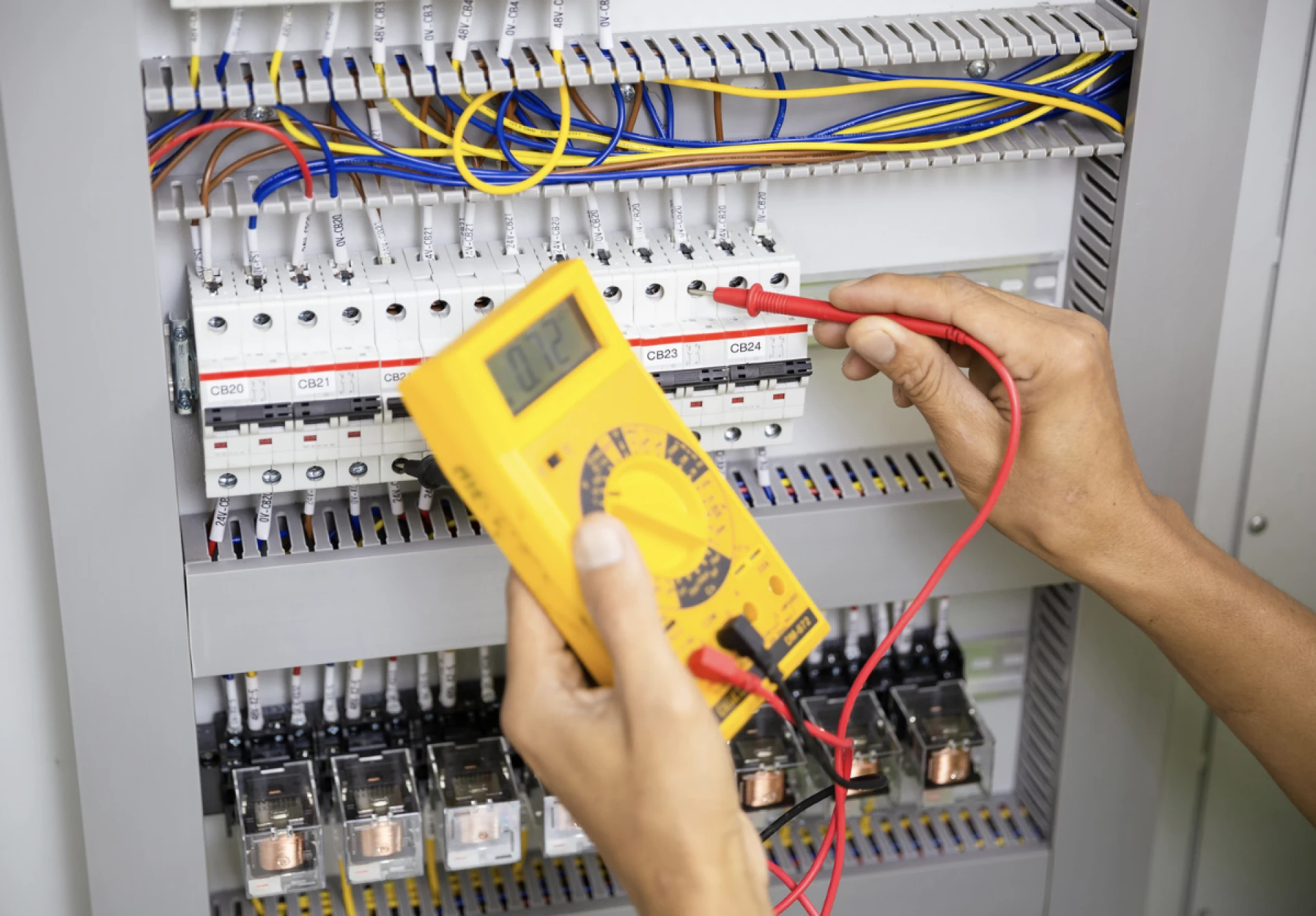
- Test with multimeters post-install.
Maintenance involves:
- Visual inspections quarterly.
- Thermal imaging for hot spots.
- Replace if striker pin activates.
Following IEC guidelines ensures compliance and cuts risks by 90%.
HRC Fuses vs. Alternatives: Why They Win
HRC Fuses outperform MCBs in high-fault scenarios—MCCBs handle ~25kA max, while HRC Fuses manage 80kA+. They're cheaper long-term than replaceable links and more reliable than resettable devices in surges.
Future Trends in HRC Fuse Technology
Smart HRC Fuses with IoT sensors are emerging, integrating with SCADA for predictive maintenance. Expect EV charging stations to boost demand for 1000V-rated models.
Conclusion: Invest in Top HRC Fuses Today
For unmatched industrial electrical protection, the top HRC Fuses like Siemens 3NA and ABB DEF deliver proven performance. Prioritize breaking capacity and certifications to avoid costly outages. Ready to upgrade? Consult a certified electrician and source from trusted suppliers.
For More Details : lawson Fuse




















Sign in to leave a comment.