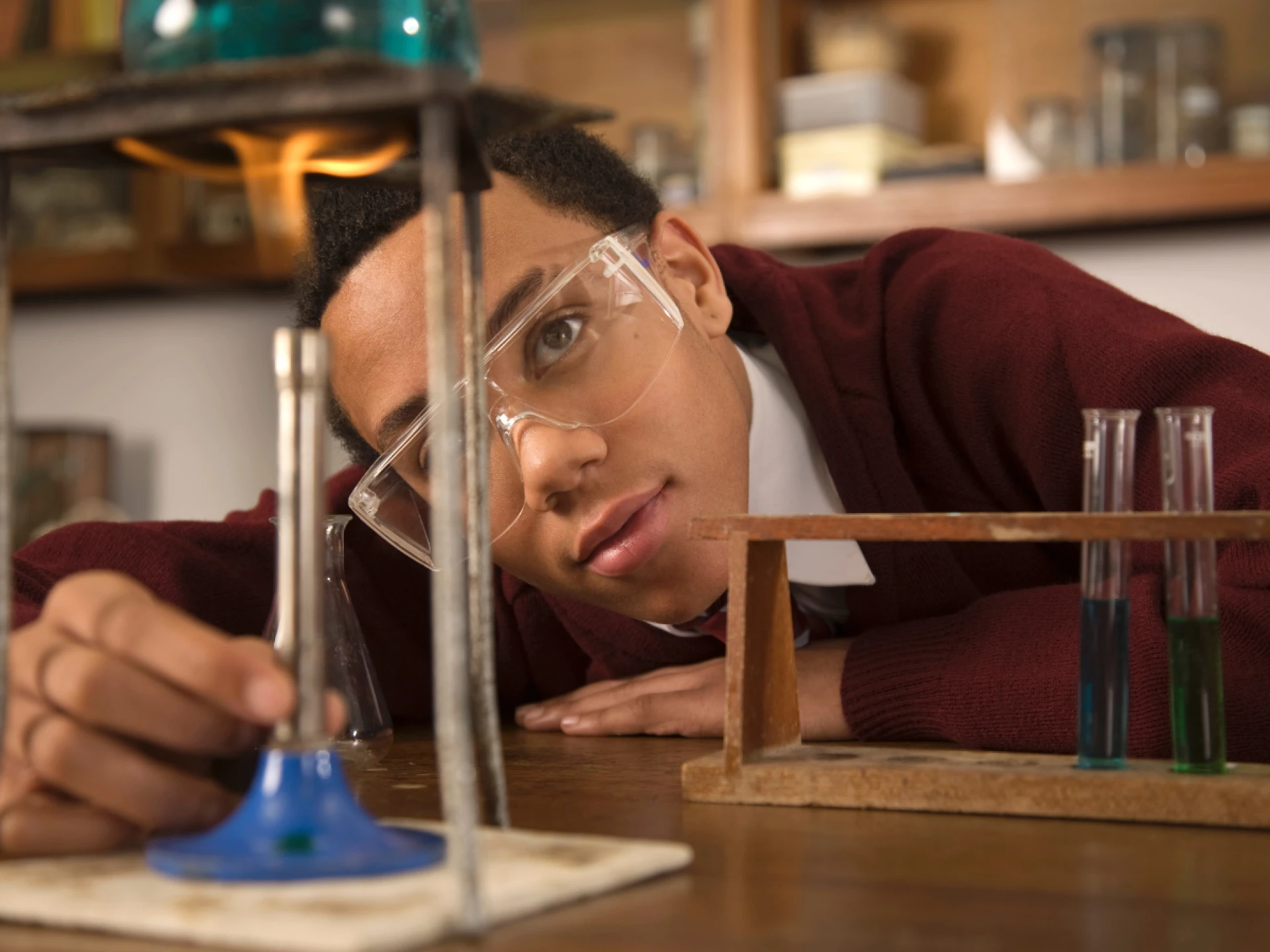

Modern laboratories depend on reliable heating equipment for countless experiments and procedures. From research facilities to educational institutions, these versatile tools play a crucial role in scientific discovery and learning. A science lab burner serves as the backbone of many laboratory operations, providing controlled heat for various applications. These devices help scientists and students conduct important experiments safely and effectively. Whether used for heating chemicals, sterilizing equipment, or creating specialized reactions, they remain indispensable in today's scientific world. Let's explore the main ways laboratories utilize these essential heating tools in contemporary research and education.
Detailed Uses of Science Lab Burners
1. Heating Chemical Solutions
A science lab burner is most commonly used for heating various chemical solutions in laboratory settings. Scientists and students regularly need to warm water, acids, and chemical mixtures to specific temperatures to make reactions happen properly. The controlled flame allows researchers to boil liquids when they need to dissolve solid chemicals completely, or heat solutions slowly for delicate processes. Temperature control is very important in chemistry, so lab workers can adjust the flame size to heat samples quickly or slowly depending on what the experiment needs. Many experiments also require keeping solutions warm for long periods, and burners provide steady heat throughout these processes. Additionally, scientists use burners to remove water from solutions through evaporation, making the remaining chemicals more concentrated. When working with crystalline substances, the heat from burners can melt solids into liquids, making them easier to mix with other chemicals.
2. Sterilizing Laboratory Equipment
Keeping laboratory equipment clean and free from germs is extremely important for getting accurate results in experiments. Lab burners provide a quick and effective way to sterilize metal tools like forceps, spatulas, and needles by heating them until they are hot enough to kill all microorganisms. This method works well for glass equipment too, including pipettes, stirring rods, and small pieces of glassware that need to be cleaned quickly. One of the most common uses is sterilizing inoculating loops, which must be heated until they glow red-hot to prevent bacterial contamination between samples. Scientists can also use the flame to clean work surfaces by passing it over metal areas that might have germs. This sterilization method is especially useful when autoclaves are not available or when tools need to be cleaned immediately during an experiment. It provides a fast solution when contamination occurs unexpectedly during laboratory work.
3. Bending and Shaping Glass Equipment
Working with glass is a common task in many laboratories, and burners provide the perfect heat source for shaping glass equipment. When scientists heat borosilicate glass tubes with a controlled flame, the glass becomes soft enough to bend into custom angles and curves needed for specific experiments. Lab workers can create glass joints by heating and fusing different pieces of glassware together, making custom apparatus that cannot be bought from suppliers. The heat also allows technicians to form narrow tips on pipettes and droppers, which are essential for precise measurements and transfers. Sometimes laboratory glassware breaks or develops small cracks, and burners can provide the heat needed to repair these problems by carefully melting and reshaping the damaged areas. This glass-working skill is particularly valuable when laboratories need specialized glass tools for unique experimental setups. Scientists can also heat and bend glass rods to create custom stirrers and connectors that fit their specific research needs.
4. Flame Testing for Element Identification
One of the most interesting uses of lab burners is flame testing, which helps identify different elements based on the colors they produce when heated. When metal ions are placed in a flame, they create distinct colors that scientists can use to identify unknown substances. For example, calcium produces an orange-red flame, potassium creates a violet color, and lithium makes a bright red flame. This technique is very useful for analyzing soil samples, water samples, or unknown chemical compounds to determine what metals they contain. Teachers often use flame testing in classrooms to show students how different elements create unique and beautiful flame colors. In manufacturing settings, quality control technicians use this method to check if materials contain the expected elements. Forensic scientists also rely on flame testing to analyze evidence samples for specific metallic elements that might be important in criminal investigations.
5. Distillation and Separation Processes
Distillation is an important laboratory technique that uses heat to separate different liquids based on their boiling points, and burners provide the controlled heat needed for this process. Simple distillation can separate water from alcohol or other liquids that have different temperatures at which they boil and turn into vapor. More complex fractional distillation uses careful heating to separate mixtures into several pure components, which is very useful in chemistry research. Many laboratories use distillation to recover expensive solvents by heating waste mixtures and collecting the pure solvent as it condenses back into liquid form. Scientists working with plant materials often use burners to heat samples and extract essential oils and aromatic compounds through steam distillation. This process is also important for water purification, where heating removes impurities by turning pure water into vapor and then condensing it back into clean liquid. Chemical researchers use distillation to purify synthesized compounds by carefully heating them to remove unwanted impurities.
6. Combustion Analysis and Testing
Some scientific studies require burning substances completely to understand their composition and properties, and lab burners provide the controlled combustion needed for this analysis. Organic chemists burn compounds to determine how much carbon, hydrogen, and nitrogen they contain, which helps identify unknown substances or confirm the purity of synthesized materials. Fuel testing laboratories use controlled combustion to test how well different materials burn and measure how much heat they produce when burned completely. Environmental scientists burn soil or waste samples to determine their ash content and check for organic pollutants that might be harmful to the environment. Calorimetry experiments use precise combustion to measure the exact amount of heat released when different substances burn, which provides important data about their energy content. Material safety engineers test whether new materials are fire-resistant or dangerously flammable by exposing them to controlled flames. This type of testing helps ensure that materials used in buildings, vehicles, and consumer products are safe for everyday use.
7. Chemical Reaction Facilitation
Many important chemical reactions require heat to begin or proceed at a useful speed, and science lab burners provide the precise temperature control needed for successful synthesis work. Catalysts often need to be heated to specific temperatures before they can help chemical reactions start, and burners allow scientists to reach these activation temperatures accurately. Researchers can control reaction speeds by gradually increasing temperature, which is important for creating high-quality products without unwanted side reactions. Synthesis reactions that create new chemical compounds from raw materials often require sustained heating at specific temperatures, and burners provide this consistent heat source. Some chemicals need to be broken down into simpler parts through decomposition reactions, which require careful heating to prevent explosive or dangerous conditions. Crystallization processes use controlled heating and cooling cycles to grow perfect crystals from dissolved substances, and burners provide the precise heat control needed for this delicate work. Polymer chemists use burners to heat monomers during polymerization reactions that create plastics, rubbers, and other important materials used in modern technology.
Safety Benefits of Modern Burners
Today's lab burners are much safer than older models. They have better controls and safety features. Many can be adjusted easily to give just the right amount of heat.
Modern burners also burn cleaner, which is better for the environment and lab workers' health. They produce less smoke and harmful gases than older designs.
Choosing Quality Equipment
When setting up a laboratory, choosing reliable equipment is important. Quality burners last longer and work more safely. For those researching lab equipment options, checking suppliers like Supertek Glassware can provide helpful information about available products and specifications.
Conclusion
Science lab burners remain vital tools in modern laboratories. From heating chemicals to sterilizing equipment, these devices make many experiments possible. They help scientists discover new things and students learn important skills.
Whether used for simple heating or complex chemical analysis, lab burners continue to be one of the most useful tools in any scientific workspace. Their versatility and reliability make them essential for safe, effective laboratory work.





























Sign in to leave a comment.