

In the healthcare landscape, the term bonafide DME has gained significant attention due to its critical role in patient care, regulatory compliance, and reimbursement processes. DME, or Durable Medical Equipment, encompasses medical devices and supplies intended for repeated use that help patients manage chronic conditions, recover from injuries, or improve their quality of life. Understanding what makes a DME provider “bonafide” is crucial for healthcare providers, patients, and payers alike.
This article delves into the concept of bonafide DME, exploring its definition, importance, regulatory requirements, operational considerations, and how providers can ensure compliance while delivering high-quality care.
What is Bonafide DME?
A bonafide DME provider is one that operates in full compliance with federal and state regulations, demonstrating legitimacy, reliability, and professionalism in its operations. The term “bonafide” implies authenticity and integrity, ensuring that the equipment supplied is medically necessary, safe, and effective for patient use.
Durable Medical Equipment includes a broad range of items such as:
- Wheelchairs (manual and powered)
- Hospital beds and mattresses
- Oxygen therapy equipment
- Continuous Positive Airway Pressure (CPAP) devices
- Walkers, canes, and crutches
- Infusion pumps
- Nebulizers and respiratory devices
For patients and healthcare providers, selecting a bonafide DME supplier is essential to guarantee that the equipment meets quality standards, is covered by insurance, and aligns with medical prescriptions.
Why Bonafide DME Matters
Patient Safety and Quality of Care
At the core of healthcare is patient safety. Using bonafide DME ensures that medical equipment is certified, sanitized, and maintained according to industry standards. Faulty or substandard equipment can lead to serious health complications, delayed recovery, or even life-threatening situations.
For example, oxygen concentrators from an unreliable supplier may malfunction, putting patients with respiratory conditions at risk. Similarly, poorly designed wheelchairs or walkers can increase the likelihood of falls or injuries. A bonafide DME provider adheres to stringent safety protocols, delivering products that meet FDA and other regulatory standards.
Regulatory Compliance
The healthcare industry is heavily regulated, especially when it comes to medical equipment. Providers must comply with the Centers for Medicare & Medicaid Services (CMS) guidelines, the Health Insurance Portability and Accountability Act (HIPAA), and state-specific licensing requirements.
Choosing a bonafide DME ensures that the provider maintains accurate documentation, follows proper billing procedures, and is prepared for audits. Non-compliance can result in denied claims, fines, or legal action, which can disrupt both patient care and business operations.
Insurance and Reimbursement
Insurance coverage for DME often requires that the supplier be recognized as a legitimate provider. Using a bonafide DME supplier increases the likelihood that claims will be approved by Medicare, Medicaid, and private insurers.
Payers often scrutinize DME claims to prevent fraud, waste, and abuse. Working with a verified provider ensures that all necessary documentation, such as physician prescriptions and medical necessity forms, is correctly submitted. This reduces delays and improves patient satisfaction.
Characteristics of a Bonafide DME Provider
Identifying a bonafide DME supplier involves evaluating several key characteristics:
1. Proper Licensing and Accreditation
A legitimate DME provider holds all necessary federal and state licenses and accreditations. Accreditation organizations like The Joint Commission or the Accreditation Commission for Health Care (ACHC) certify that the provider meets high standards of quality, safety, and operational excellence.
2. Transparent Billing Practices
A bonafide DME provider maintains transparent and ethical billing practices. This includes accurate coding, honest claims submission, and clear communication with both patients and insurers. Transparency prevents misunderstandings, ensures timely reimbursement, and builds trust with patients.
3. Experienced and Knowledgeable Staff
Staff training is critical in DME provision. A reputable supplier employs professionals who are well-versed in equipment functionality, patient education, and safety protocols. Knowledgeable staff can properly fit and instruct patients on using their equipment, minimizing risks and maximizing therapeutic benefits.
4. High-Quality Products
Not all DME products are created equal. A bonafide DME provider sources equipment from reputable manufacturers, ensuring durability, reliability, and compliance with safety standards. Equipment must be routinely inspected, maintained, and replaced if necessary.
5. Excellent Customer Support
Providing ongoing support is a hallmark of a bonafide DME supplier. Patients may require assistance with equipment troubleshooting, repairs, or replacements. Providers who offer responsive, patient-centered support enhance satisfaction and promote adherence to prescribed treatments.
Operational Considerations for Bonafide DME Providers
Running a legitimate DME business involves more than acquiring inventory. Providers must establish robust operational processes to maintain compliance and deliver high-quality service. Key considerations include:
Inventory Management
Efficient inventory management ensures that equipment is available when needed, reduces waste, and prevents delays in patient care. Providers should track inventory levels, maintenance schedules, and expiration dates for items like oxygen supplies or wound care products.
Documentation and Record-Keeping
Proper documentation is critical for both regulatory compliance and smooth insurance reimbursement. Providers must maintain detailed records of patient prescriptions, medical necessity documentation, delivery receipts, and maintenance logs.
Delivery and Setup
A bonafide DME provider goes beyond simple product delivery. Equipment must be installed or assembled correctly, and patients should receive thorough instructions on usage and safety precautions. For certain devices, like CPAP machines or infusion pumps, proper setup is essential for therapeutic efficacy.
Maintenance and Repair Services
Durable Medical Equipment often requires routine maintenance or occasional repairs. A responsible provider ensures timely servicing, parts replacement, and equipment upgrades to prevent failures and extend the lifespan of the devices.
Compliance Audits
Regular internal audits help DME providers maintain compliance with CMS and state regulations. Audits can identify gaps in documentation, inventory management, and patient safety protocols, allowing the provider to proactively address issues.
Choosing a Bonafide DME Supplier
For healthcare providers and patients, selecting the right DME supplier can be challenging. Here are practical tips for ensuring that you work with a bonafide DME provider:
- Verify Licensing and Accreditation: Confirm that the provider is properly licensed and accredited by recognized organizations.
- Check Reviews and References: Patient testimonials and provider references can reveal reliability, quality, and customer service standards.
- Evaluate Product Quality: Ensure that equipment is sourced from reputable manufacturers and complies with safety regulations.
- Assess Support Services: Ask about maintenance, troubleshooting, and patient education services.
- Confirm Insurance Acceptance: Verify that the provider works with your insurance plan to prevent billing issues.
Challenges Facing Bonafide DME Providers
Despite their importance, bonafide DME providers face several challenges:
- Regulatory Complexity: Frequent changes in CMS and state regulations require providers to stay informed and adapt quickly.
- Fraud Prevention: The DME sector is vulnerable to fraud, requiring strict monitoring and auditing processes.
- Supply Chain Disruptions: Delays in manufacturing or shipping can impact equipment availability, affecting patient care.
- Insurance Reimbursement Delays: Navigating complex insurance requirements can lead to claim denials and delayed payments.
- Patient Education: Ensuring patients understand how to use equipment safely and effectively is a continuous challenge.
Addressing these challenges requires a combination of expertise, technology, and patient-focused practices.
The Role of Technology in Bonafide DME
Modern technology has transformed the way bonafide DME providers operate. Some notable innovations include:
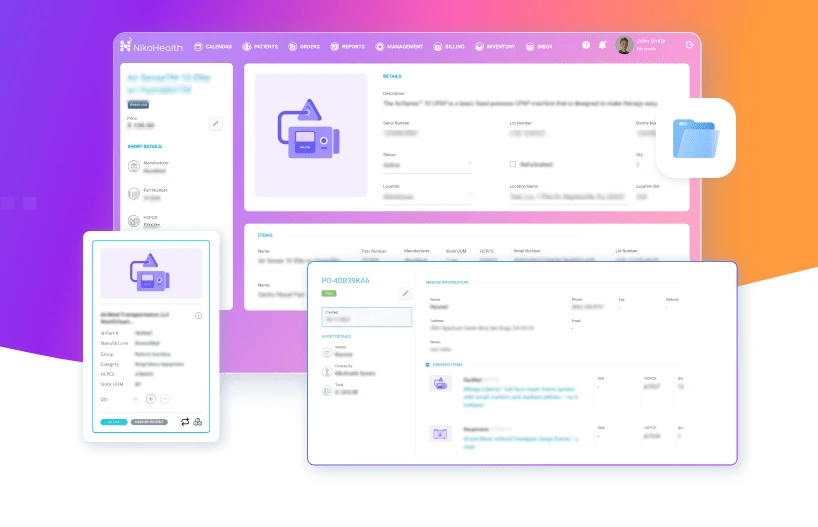
- Inventory Management Software: Tracks equipment availability, maintenance schedules, and usage patterns.
- Telehealth Integration: Allows remote patient monitoring, reducing the need for frequent in-person visits.
- Automated Billing Systems: Streamlines claims submission, improves accuracy, and reduces reimbursement delays.
- Patient Portals: Enables patients to track orders, request support, and access educational materials.
By leveraging technology, DME providers can enhance efficiency, compliance, and patient satisfaction.
Conclusion
In today’s healthcare environment, working with a bonafide DME is essential for both patients and providers. These suppliers ensure that equipment is safe, effective, and compliant with all regulatory requirements. They provide critical support in inventory management, documentation, delivery, and patient education, all while maintaining ethical billing practices and high standards of customer service.
For patients, a bonafide DME supplier guarantees access to reliable, high-quality equipment that supports recovery, independence, and overall well-being. For healthcare providers and payers, it ensures compliance, reduces liability, and streamlines insurance processes.
Ultimately, the term bonafide DME represents more than just legal compliance—it embodies trust, quality, and patient-centered care. Choosing the right DME provider is a vital step in optimizing health outcomes, enhancing patient satisfaction, and maintaining operational efficiency in the complex world of medical equipment supply.

























Sign in to leave a comment.