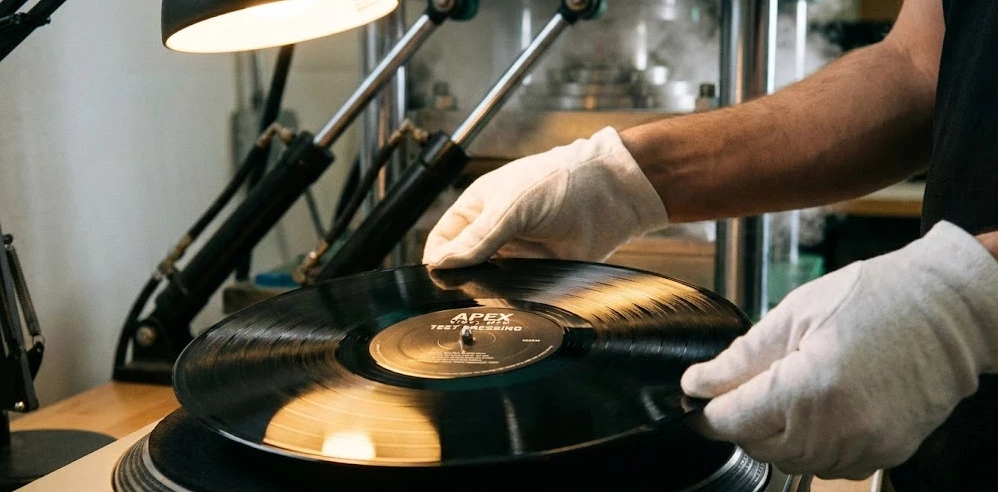

Vinyl records have made a remarkable comeback over the past decade. Musicians and labels now look at custom vinyl pressing not just as a nostalgic novelty but as a legitimate format for releasing music. However, many people approaching vinyl for the first time don't understand how the process works or what to expect in terms of quality, costs, and production time.
The vinyl manufacturing process differs significantly from digital distribution or CD production. Longer lead times, higher upfront costs, and various quality considerations make planning ahead necessary for anyone considering a vinyl release.
How Custom Vinyl Pressing Actually Works
The process starts with audio mastering specifically for vinyl. Digital masters need adjustment for the physical limitations of vinyl records. Bass frequencies require special attention since extreme low end can cause tracking issues. Excessive stereo width in bass frequencies can also create problems during playback.
Once mastering is complete, the pressing plant creates a lacquer disc. This lacquer gets coated with metal to create a stamper - essentially a negative of the record that will press the grooves into each copy. This stamper creation process, called electroplating, takes time and represents a significant upfront cost.
The actual pressing happens when heated vinyl pellets get compressed between stampers under high pressure. The vinyl cools while maintaining the groove pattern. Labels get applied, and the records get placed in sleeves. Quality control checks happen throughout to catch defects before records ship.
Quality Factors That Matter
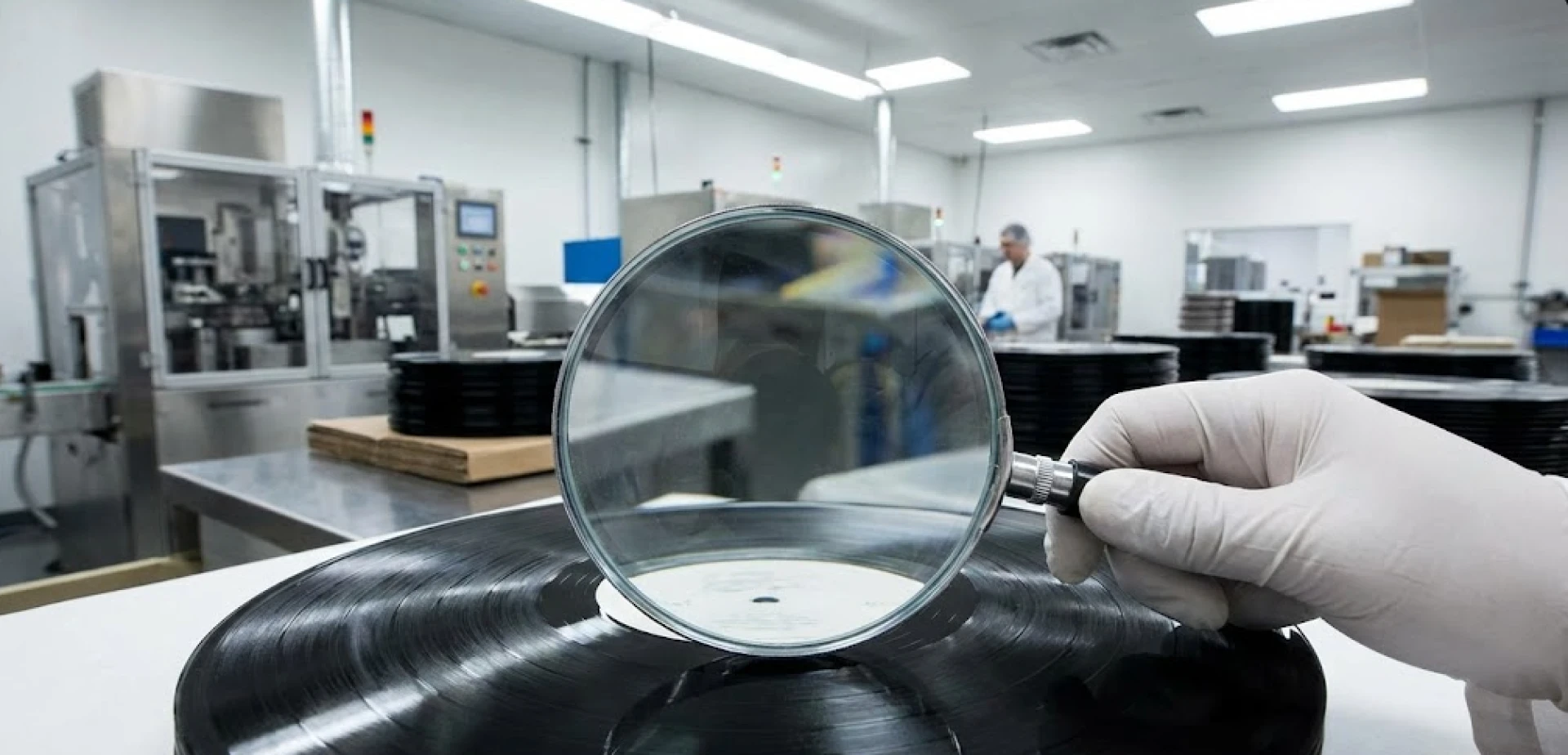
Not all vinyl pressing plants produce the same quality. Several factors affect the sound quality and durability of the final product.
Vinyl Compound Quality
The actual vinyl material varies between manufacturers. Higher quality compounds produce quieter records with less surface noise. Cheaper compounds might save money upfront but result in noisier playback and records that wear out faster.
Some plants use recycled vinyl while others use virgin vinyl. Recycled material costs less but can introduce more surface noise and inconsistencies. Virgin vinyl typically sounds cleaner but increases production costs.
Pressing Weight and Thickness
Standard vinyl records weigh 120-140 grams. Heavier pressings at 180 grams have become popular, marketed as higher quality. The weight itself doesn't automatically improve sound quality, but heavier records tend to be pressed more carefully with better quality control.
Thicker records do lay flatter and warp less easily than thin pressings. They also feel more substantial, which appeals to collectors. However, a well-pressed 140 gram record can sound better than a poorly pressed 180 gram one.
Mastering and Cutting Depth
How the grooves get cut into the lacquer affects sound quality significantly. Deeper grooves can hold more dynamic range but take up more space on the record, limiting playing time. Shallower grooves allow longer playing times but might sacrifice some audio quality.
Experienced mastering engineers understand these tradeoffs and make decisions based on the specific music and desired playing time. This expertise matters more than most technical specifications.
Cost Breakdown for Custom Vinyl Pressing
Vinyl production involves substantial upfront costs that don't scale down for small quantities. Understanding the cost structure helps set realistic budgets.
Setup and Tooling Costs
Creating the stampers represents the largest upfront expense. This typically runs $300-600 per side, meaning $600-1200 total for a standard record. These costs apply whether pressing 100 copies or 1000 copies.
Test pressings add another $50-150. These allow checking quality before the full run gets pressed. Skipping test pressings to save money is generally a false economy since problems discovered after pressing thousands of records become very expensive to fix.
Per-Unit Pressing Costs
The actual pressing cost per unit decreases dramatically with larger quantities. Pressing 100 records might cost $8-12 per unit. Pressing 500 might drop to $4-6 per unit. Pressing 1000 could get down to $3-4 per unit.
These prices typically include basic printed inner sleeves and generic white outer sleeves. Custom printed jackets, colored vinyl, and special packaging all add to costs.
Packaging and Printing
Basic jackets with single-color printing might add $1-2 per unit. Full-color gatefold jackets can add $3-5 or more per unit. Printed inner sleeves, download cards, inserts, and other extras each add incremental costs.
Many pressing plants work with specific printers and can provide package deals. Shopping separately for pressing and printing sometimes saves money but adds coordination complexity.
Timeline Realities
Custom vinyl pressing takes significantly longer than most people expect, especially those used to instant digital distribution.
Typical Production Schedule
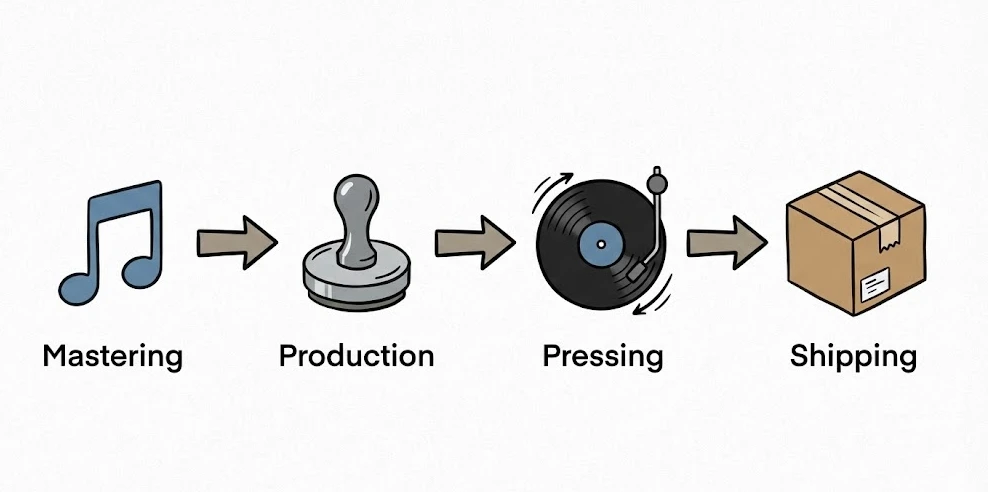
From placing an order to receiving finished records typically takes 3-6 months. This timeline includes several distinct phases that can't be rushed without compromising quality.
Mastering and lacquer cutting might take 2-4 weeks depending on the engineer's schedule and how many revision rounds occur. The electroplating process to create stampers takes another 2-3 weeks. Test pressing production and approval adds 2-4 weeks, including shipping time for the artist to receive and evaluate them.
The actual pressing run varies by plant capacity and order size. A small run might complete in a few days once it starts, but getting queue time at the plant can take weeks or months. Busy plants during peak seasons might have 2-3 month backlogs.
Factors That Extend Timelines
Revisions at any stage push back the schedule. If test pressings reveal problems requiring new lacquers and stampers, that adds 4-6 weeks. Quality issues during the pressing run can require starting over, adding months.
Custom packaging with special printing can extend timelines if the printer has backlogs. Colored vinyl sometimes takes longer than black vinyl depending on availability of specific color compounds.
Peak seasons see longer wait times at pressing plants. Fall releases for holiday sales create backlogs that can extend timelines by several weeks or months. Planning releases during slower periods can reduce wait times.
Choosing a Pressing Plant
Not all plants offer the same quality, service, or pricing. Several factors matter when selecting where to press records.
Experience with specific genres helps. Some plants excel at classical or jazz where dynamics and quiet passages matter most. Others do well with rock or electronic music where loudness and impact are priorities. Asking for samples of similar music helps evaluate whether a plant suits specific needs.
Minimum order quantities vary significantly between plants. Some accept orders as small as 100 copies while others require 300 or 500 minimum. Smaller artists might have limited options based on this factor alone.
Geographic location affects shipping costs and communication. Domestic plants might cost more per unit but offer easier communication and lower shipping expenses. International plants might offer better per-unit pricing but add complexity with international shipping and communication.
Planning for Success
Successful custom vinyl pressing requires realistic planning around all three major factors: quality expectations, budget realities, and timeline constraints.
Quality decisions need to match the intended market. Records aimed at serious collectors and audiophiles justify premium virgin vinyl and heavyweight pressings. Records primarily serving as merchandise at shows might work fine with standard weight pressings and simpler packaging.
Budget planning should include all costs, not just pressing. Mastering, test pressings, packaging, shipping to customers, and storage all add to the total investment required.
Underestimating these ancillary costs is common among first-time pressers.
Timeline planning needs buffer time built in. Expecting everything to go perfectly on schedule rarely works out. Adding 4-6 weeks of cushion to the minimum expected timeline prevents disappointing fans with delayed releases.
Custom vinyl pressing can produce beautiful, high-quality physical products that fans treasure. Understanding the process, costs, and timelines upfront helps artists and labels make informed decisions and avoid expensive surprises during production.
























Sign in to leave a comment.