




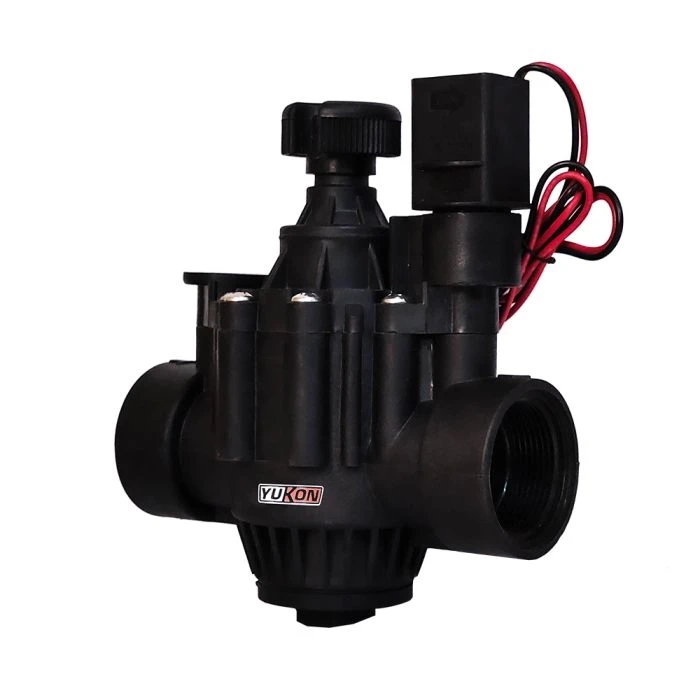
Smart water management is essential for modern agriculture, landscaping, gardening, and turf maintenance. Farmers, growers, and even residential property managers today seek efficient ways to control water flow without constant manual effort. That’s where the irrigation solenoid valve becomes an important part of the system.
These automated valves help regulate water supply based on timing, sensors, and irrigation controls, making watering precise and hassle-free. Whether it’s a large farm field or a home garden, solenoid valves improve both water savings and crop health.
What Exactly Is an Irrigation Solenoid Valve?
An irrigation solenoid valve is a type of electrically-operated valve used to control the flow of water in an irrigation system. It usually works with a timer, controller, or smart irrigation device. When activated, the solenoid uses electromagnetic force to open or close the valve — no hand operation needed.
Think of it as a gate that opens and closes automatically at the perfect time.
How Does It Work?
The functioning is pretty simple:
- An electric signal is sent from a controller
- The solenoid coil energizes
- Magnetic force pulls a plunger inside the valve
- Water starts flowing through the pipeline
- When the signal stops, the valve closes again
This instant response keeps irrigation accurate and avoids unnecessary water wastage.
Why Are Irrigation Solenoid Valves So Important?
Here are a few key reasons why they are widely used:
Automation for Less Manual Work: No need to rush every morning to turn the water pump on. The system runs automatically.
Water Savings: You deliver water exactly when and where it’s required — reducing wastage.
Precision Watering: Delicate crops get the right flow and pressure, improving growth and yield.
Compatible with Smart Controllers: You can connect them with weather-based or moisture sensing controllers for efficient irrigation.
Safe & Reliable Operation: Built to handle outdoor conditions such as dust, mud, and varying temperatures.
Where Are Irrigation Solenoid Valves Used?
These valves are suitable for:
- Agricultural farms
- Drip irrigation systems
- Landscape gardens & lawns
- Greenhouses & nurseries
- Golf courses / sports grounds
- Sprinkler-based irrigation networks
Wherever controlled water distribution is required, solenoid valves deliver excellent performance.
Different Types of Irrigation Solenoid Valves
To match various irrigation setups, these valves come in multiple versions:
Plastic Body Valves: Lightweight, corrosion-resistant, economical — ideal for most irrigation uses.
Metal Body Valves: Stronger and durable — suitable for high-pressure or industrial irrigation zones.
AC or DC Coil Options: Choose depending on your power supply (battery-powered systems also supported).
What to Check Before Buying One?
To get the best performance, consider these points:
- Water flow requirement
- Pressure rating
- Type of irrigation setup (drip or sprinkler)
- Power source compatibility
- Material durability
- Maintenance convenience
Good product selection equals long-term savings and fewer breakdowns.
Conclusion
Automated irrigation systems are the future — saving both time and water while improving crop quality. And the heart of this automation is the efficient irrigation solenoid valve. With correct installation and proper selection, these valves help maintain steady water distribution, boost productivity, and reduce labor.