




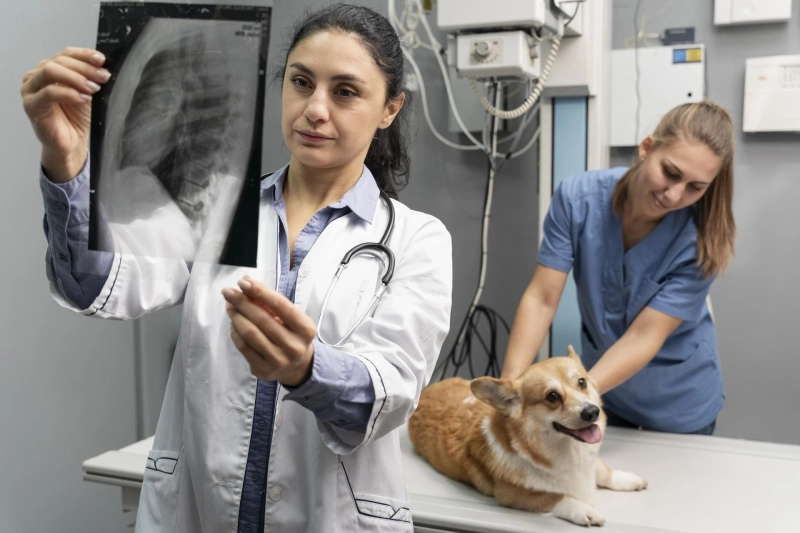
When your veterinarian recommends an imaging test for your pet, it’s natural to have questions especially if you’ve never gone through the process before. One of the most safe, effective, and commonly used diagnostic tools in modern veterinary medicine is veterinary ultrasound. This technology allows veterinarians to look inside your pet’s body in real time, helping diagnose conditions quickly and without invasive procedures.
Whether you’ve searched “dog ultrasound near me” or want to better understand pet ultrasounds, this guide breaks down what ultrasound is, how it works, when it’s recommended, and what you as a pet owner should expect. If you live in or near Washington state, you may have even looked for animal ultrasound Renton WA services and wondered what the process involves. Let’s explore everything you need to know.
What Is Veterinary Ultrasound?
Veterinary ultrasound is a diagnostic imaging technique that uses high-frequency sound waves to create live, moving images of your pet’s internal organs. Unlike X-rays, which use radiation and provide a still image, ultrasound creates real-time video-like visuals that allow veterinarians to observe motion—such as a beating heart or fluid flowing through the abdomen.
Ultrasound is especially useful because it is:
- Noninvasive
- Pain-free
- Radiation-free
- Safe for pregnant pets
- Highly accurate for soft-tissue imaging
It is commonly used in both routine and emergency veterinary care and is often the next step when bloodwork or physical exams reveal potential concerns.
How Veterinary Ultrasound Works
Ultrasound uses a handheld tool called a transducer, which emits high-frequency sound waves into your pet’s body. These waves bounce off internal structures like organs, blood vessels, and tissues. The returning echoes create a visual image that appears on a screen.
Because the technique relies on sound, it works best on soft tissues such as:
- Liver
- Kidneys
- Stomach and intestines
- Bladder
- Spleen
- Heart
- Reproductive organs
- Lymph nodes
Bones and air-filled spaces (like lungs) do not produce clear ultrasound images, so other diagnostics—such as X-rays or CT scans—may be used alongside an ultrasound for a more complete diagnosis.
Why Your Pet Might Need an Ultrasound
Your veterinarian may recommend pet ultrasounds for several reasons. The procedure is especially valuable when trying to understand what’s happening inside your pet without surgery.
1. Abnormal Bloodwork
If your dog or cat’s lab results show irregularities—such as elevated liver enzymes or kidney values—an ultrasound helps pinpoint what’s causing the problem.
2. Vomiting, Diarrhea, or Weight Loss
Chronic digestive symptoms are often related to issues in the stomach, intestines, pancreas, or liver. Ultrasound can identify inflammation, blockages, or masses.
3. Pregnancy Confirmation
Ultrasound is the safest way to determine pregnancy and monitor fetal health in pets.
4. Heart Conditions
Cardiac ultrasound (echocardiography) allows vets to evaluate the heart muscle, valves, and blood flow.
5. Suspected Tumors or Growths
Ultrasound helps detect masses and can distinguish between fluid-filled and solid structures.
6. Bladder and Kidney Issues
Stones, infections, or abnormalities are easily visible with ultrasound.
7. Emergency Situations
If a pet is injured, bloated, or experiencing sudden severe illness, ultrasound helps quickly identify internal bleeding, ruptures, or life-threatening conditions.
If you’ve searched for dog ultrasound near me, it’s likely your veterinarian wants to quickly and accurately investigate a concern without invasive testing.
What Happens During a Veterinary Ultrasound Appointment?
Although it may sound complicated, the procedure is gentle and simple. Here’s what most pet owners can expect.
1. Gentle Restraint
Most pets do not need sedation. A trained technician will simply help keep your pet still and comfortable.
2. Fur Clipping
Because sound waves travel best through skin, a small area of fur is shaved—commonly on the belly or chest.
3. Gel Application
A water-based gel is applied to the skin to enhance contact and image quality.
4. Scanning
The veterinarian will move the transducer over the area of interest, carefully examining structures and gathering images.
5. Interpretation
In many cases, the vet provides results immediately. Complex cases may be reviewed by a veterinary radiologist.
How Long Does It Take?
Most pet ultrasounds last 15–30 minutes, depending on what’s being evaluated.
Do Pets Need Sedation?
Most dogs and cats tolerate the procedure extremely well and do not require sedation. However, sedation may be used if the pet is:
- Very anxious
- In significant pain
- Unable to stay still
- Undergoing a specialized cardiac ultrasound
Your veterinarian will discuss this beforehand if sedation may be needed.
How Accurate Is Veterinary Ultrasound?
Ultrasound is one of the most effective tools for examining soft tissues. It allows veterinarians to:
- Detect masses or tumors
- Identify abnormalities in organ size or texture
- See fluid accumulation
- Evaluate blood flow
- Observe movement inside the body
Because of its precision and safety, many pet owners rely on it when they’re concerned about their animal’s health. When searching for dog ultrasound near me, look for a clinic with experienced veterinarians and modern imaging technology to ensure the best results.
Common Questions About Pet Ultrasound
Is Ultrasound Painful?
No. It is completely painless. Most pets relax and even enjoy the gentle pressure of the transducer.
Is Fasting Required?
For abdominal ultrasounds, yes—most vets recommend fasting your dog or cat for 8–12 hours to improve visibility.
Can Ultrasound Detect Cancer?
It can detect masses, but biopsies may be needed to confirm cancer.
Is It Safe for Pregnant Animals?
Absolutely. Ultrasound is the safest imaging method for monitoring pregnancy.
How Much Does a Veterinary Ultrasound Cost?
The cost varies depending on:
- The region
- The type of ultrasound (abdominal, cardiac, pregnancy)
- Whether a specialist handles the exam
Most dog ultrasound near me searches return price ranges between $150 and $500, with specialized cardiac ultrasounds slightly higher.
Clinics offering animal ultrasound Renton WA services typically fall within this standard range, depending on complexity.
Choosing the Right Clinic for Your Pet
When looking for the best place to schedule pet ultrasounds, consider the following:
✔ Experience of veterinarians and technicians
✔ Quality of imaging equipment
✔ Ability to consult with veterinary radiologists
✔ Clear communication about results
✔ Compassionate handling of anxious pets
If you're in Washington state and searching for animal ultrasound Renton WA, look for a clinic that offers personalized care and modern imaging tools to ensure the most accurate diagnosis for your pet.
Why Veterinary Ultrasound Matters
Ultrasound plays a critical role in modern veterinary care because it:
- Helps veterinarians diagnose problems early
- Avoids unnecessary surgery
- Provides instant insight into your pet’s condition
- Strengthens treatment decisions
- Offers peace of mind for pet owners
Whether your dog swallowed a foreign object, your cat is losing weight, or your senior pet needs a heart evaluation, ultrasound provides answers quickly and safely.
Final Thoughts
Understanding veterinary ultrasound helps pet owners feel confident when scheduling this important diagnostic test. It’s a safe, noninvasive, and highly effective way to understand what’s happening inside your pet’s body—often helping detect issues before they become serious. Whether you're searching for dog ultrasound near me, researching the benefits of pet ultrasounds, or seeking professional animal ultrasound Renton WA services, choosing ultrasound is a proactive step toward protecting your pet’s health.