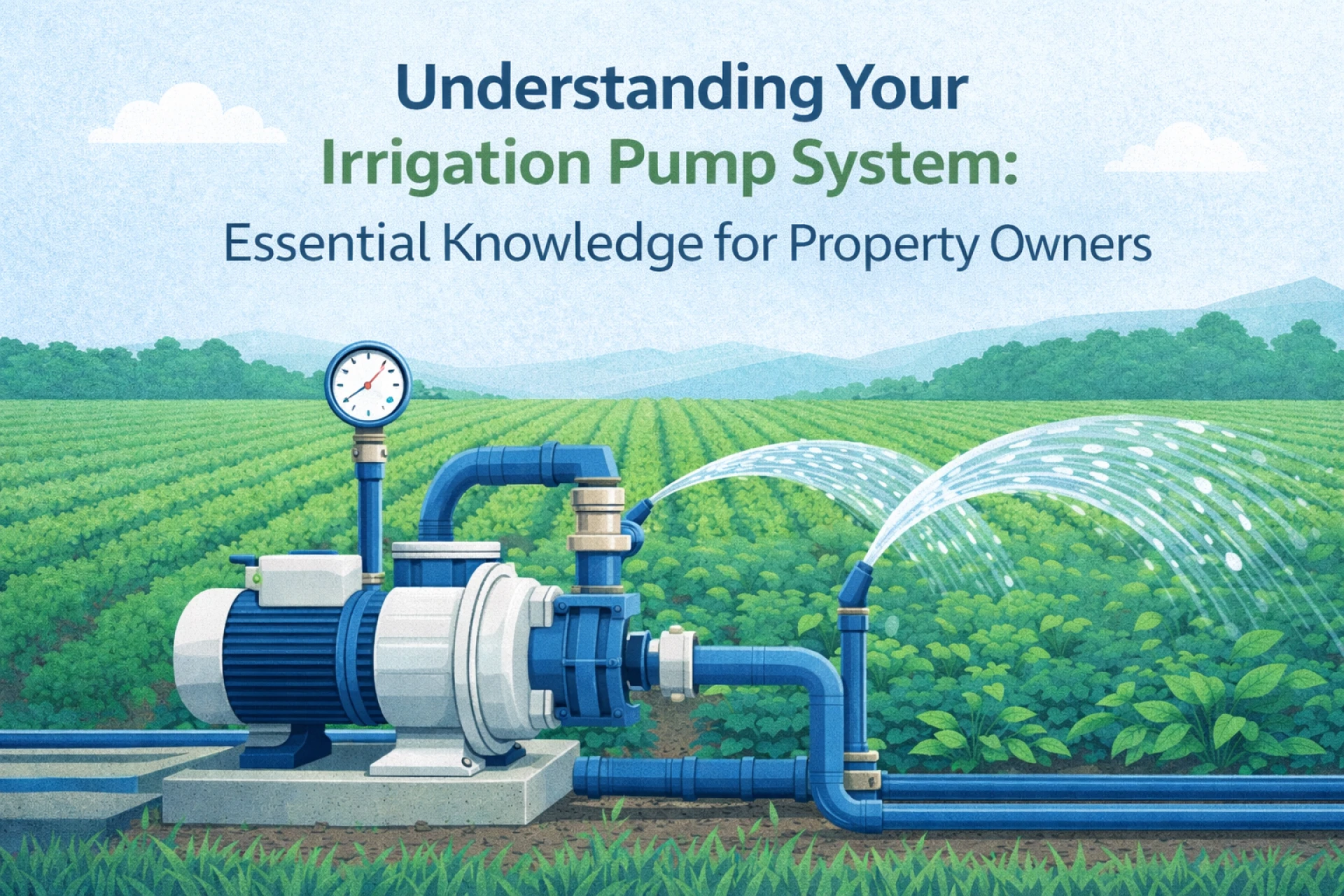

For property owners who depend on irrigation systems to maintain gardens, lawns, orchards, or agricultural operations, your irrigation pump represents the heart of your water distribution network. This critical equipment works tirelessly throughout growing seasons, moving thousands of gallons of water to keep plants healthy and productive. Yet many property owners know remarkably little about how their irrigation pumps function, what maintenance they require, or how to recognize problems before they become expensive emergencies.
Understanding the basics of irrigation pump operation, maintenance needs, and common issues helps you protect your investment while ensuring reliable water delivery when your plants need it most. Whether you're watering a residential landscape, maintaining a small orchard, or irrigating commercial farmland, knowledge about your pump system prevents problems and extends equipment lifespan.
How Irrigation Pumps Differ from Well Pumps
Many property owners confuse irrigation pumps with the well pumps that supply household water, but these systems serve different purposes and operate under different conditions. Understanding these distinctions helps you maintain each system appropriately and recognize when problems require professional attention.
Irrigation pumps typically draw water from sources including wells, ponds, rivers, or storage tanks, then pressurize and distribute it through sprinkler systems, drip lines, or other irrigation equipment. These pumps handle much larger volumes than domestic water systems, often moving hundreds or thousands of gallons per hour during operation. The seasonal nature of irrigation creates different wear patterns than year-round domestic water use.
Pressure requirements differ significantly between irrigation and household systems. Domestic well pumps maintain relatively constant pressure of 40-60 PSI for indoor plumbing fixtures. Irrigation pumps may operate at various pressures depending on system design, from 20-30 PSI for drip irrigation to 60-80 PSI or higher for large sprinkler systems covering substantial areas.
Pump types vary between applications. Submersible pumps work well for deep wells serving both domestic and irrigation needs. Surface-mounted centrifugal pumps commonly power irrigation systems drawing from ponds, streams, or shallow wells. Booster pumps supplement existing water sources when additional pressure is needed for effective irrigation coverage.
Operating cycles create different stress patterns. Irrigation pumps often run for extended periods during watering schedules, then sit idle for days or weeks. This cycle differs dramatically from domestic well pumps that cycle frequently throughout the day. The extended run times and seasonal operation patterns affect maintenance requirements and potential failure modes.
Water quality considerations impact irrigation pumps differently than domestic systems. Irrigation water doesn't require the same purity as drinking water, allowing use of surface water sources that would be unacceptable for household supply. However, irrigation water often contains sediment, organic matter, and debris that accelerate pump wear if not properly filtered.
Seasonal Maintenance Requirements
Irrigation pumps demand seasonal attention to ensure reliable operation when you need them and protect equipment during dormant periods. Following proper seasonal maintenance procedures dramatically extends pump lifespan while preventing mid-season failures that leave plants without water during critical growth periods.
Spring startup procedures prepare systems for the irrigation season after winter dormancy. Begin by inspecting all visible components for damage from freezing, rodent activity, or general deterioration. Check electrical connections for corrosion or looseness. Verify that intake screens or foot valves aren't clogged with debris accumulated during the off-season.
Priming the pump properly ensures smooth startup after extended shutdown periods. Centrifugal pumps lose their prime during winter, requiring refilling before operation. Check manufacturer specifications for proper priming procedures, as methods vary between pump types. Never attempt to start a pump without adequate prime, as dry running causes severe damage within minutes.
Pressure testing during initial startup identifies leaks, damaged components, or performance degradation that developed during the off-season. Run the system at operating pressure while checking all connections, valves, and visible piping for leaks. Monitor pressure gauges to verify the pump achieves design specifications, as declining pressure output signals wear or damage requiring correction.
Mid-season monitoring maintains performance throughout the irrigation period. Check operating pressure weekly during active use, noting any gradual declines that indicate developing problems. Listen for unusual noises including grinding, squealing, or vibration changes that signal bearing wear, cavitation, or other mechanical issues. Address problems promptly rather than waiting for complete failure.
Filter and screen maintenance prevents debris from damaging pump components. Intake screens require regular cleaning to maintain proper flow rates, particularly when drawing from ponds or streams with high organic content. Inline filters protecting irrigation equipment also need periodic cleaning or replacement to prevent pressure restrictions.
Fall winterization protects equipment from freeze damage in areas with variable winter climates. Drain all water from pumps, piping, and pressure tanks to prevent ice formation that cracks housings and damages impellers. Some systems benefit from antifreeze in low points that cannot be completely drained. Store portable pumps in protected locations away from freezing temperatures.
Electrical system shutdown for winter includes disconnecting power to prevent accidental startup during freezing conditions. In areas with rodent activity, inspect wiring compartments for damage and consider deterrents to prevent chewing of insulation during winter months.
Common Irrigation Pump Problems and Their Causes
Recognizing common irrigation pump issues allows early intervention before minor problems escalate into expensive failures or crop damage from inadequate watering. Understanding typical failure patterns helps you diagnose problems and communicate effectively with service technicians.
Loss of pressure represents one of the most common irrigation pump complaints. Multiple factors cause pressure decline including worn impellers that no longer generate design pressure, leaks in suction lines allowing air intrusion, clogged intake screens restricting water flow, or failing pressure switches that shut systems down prematurely. Systematic diagnosis identifies the actual cause rather than assuming pump failure.
Pump won't start issues stem from electrical problems, mechanical binding, or control system failures. Check power supply and circuit breakers first, as many "pump failures" simply involve tripped breakers or disconnected wiring. Control pressure switches may fail to close circuits when calling for water. Seized bearings or debris jamming impellers prevent motor rotation even when electrical systems function properly.
Cycling problems where pumps start and stop repeatedly signal pressure tank issues, control switch problems, or significant leaks in the system. Waterlogged pressure tanks lose their air charge, causing rapid cycling that damages pump motors through excessive starts. Leaking irrigation lines create pressure drops that trigger unnecessary pump cycles.
Excessive noise during operation indicates mechanical problems requiring prompt attention. Grinding sounds suggest bearing wear allowing shaft movement that damages seals and other components. Squealing often points to belt problems on belt-driven pumps. Cavitation creates distinctive crackling or popping sounds when pumps try to move water faster than the intake can supply it.
Vibration increases signal mounting problems, impeller damage, or bearing failures. Irrigation pumps naturally produce some vibration during operation, but sudden increases or changes in vibration patterns indicate developing mechanical issues. Ignoring vibration problems allows minor issues to damage motors, crack pipes, and loosen connections throughout the system.
Reduced flow rates without corresponding pressure loss suggest impeller wear, debris restriction, or suction-side air leaks. Flow testing quantifies the problem and helps diagnose whether repairs or replacement make better economic sense. Severely worn impellers cannot be repaired and require pump replacement or rebuild.
Water Source Considerations
The source of irrigation water significantly affects pump selection, maintenance requirements, and long-term reliability. Understanding how different water sources impact your pump system helps you anticipate problems and implement appropriate protective measures.
Well water generally provides the cleanest irrigation supply, requiring minimal filtration beyond basic screens. However, wells must produce adequate flow rates to support irrigation demands without drawing down water levels below pump intake. Flow testing before installing irrigation systems verifies well capacity matches planned usage.
Pond and lake water contains organic matter, sediment, and seasonal algae growth that affect pump operation. Intake screens require frequent cleaning during peak growing seasons when algae blooms and plant material proliferate. Positioning intakes well below surface levels and above bottom sediments optimizes water quality while minimizing debris problems.
River and stream water quality varies dramatically with seasonal flows and upstream activities. High spring runoff carries substantial sediment loads that accelerate pump wear. Summer low flows concentrate debris and may contain insufficient water for reliable irrigation. Intake designs must account for seasonal water level fluctuations while filtering debris effectively.
Storage tank systems provide consistent water quality and pressure but require adequate capacity for peak irrigation demands. Pumps drawing from storage tanks work under ideal conditions with clean water and stable levels, typically providing longer service life than those handling surface water directly.
Water chemistry affects pump component longevity through corrosion and mineral buildup. Iron and manganese in well water create deposits that restrict flow and damage seals. Highly acidic water corrodes metal components. Regular water testing identifies chemistry issues allowing selection of appropriate pump materials and implementation of treatment if needed.
Desert Pump Company brings decades of experience helping property owners design irrigation systems matched to their water sources. Their expertise ensures pump selection accounts for water quality, seasonal variations, and long-term reliability requirements specific to local conditions.
Pump Sizing and System Design
Proper irrigation pump sizing balances adequate capacity for current needs against efficiency and reasonable operating costs. Undersized pumps run constantly while failing to meet irrigation requirements, while oversized pumps waste energy and create pressure regulation problems.
Flow rate requirements depend on irrigated area, crop or landscape needs, and irrigation system type. Drip irrigation requires lower flow rates but operates for longer periods. Sprinkler systems need higher instantaneous flows but typically run shorter cycles. Calculate total flow requirements by adding all simultaneous irrigation zones while accounting for system efficiency losses.
Pressure requirements vary by irrigation equipment. Low-pressure drip systems operate effectively at 20-30 PSI, while impact sprinklers may need 60-80 PSI for proper coverage. System design should minimize pressure needs through proper layout and equipment selection, reducing pump size and operating costs.
Total Dynamic Head (TDH) calculations account for all resistance the pump must overcome including vertical lift from water source to discharge, friction losses in piping and fittings, and pressure requirements at delivery points. Accurate TDH calculation ensures pump selection provides adequate performance without excessive oversizing.
Pump curves provided by manufacturers show relationships between flow rate, pressure, and efficiency at various operating points. Selecting pumps that operate near their peak efficiency point for your typical irrigation needs minimizes energy consumption while maximizing reliability. Operating pumps far from design points reduces efficiency and accelerates wear.
System expandability considerations influence initial pump sizing. If you plan future irrigation expansion, sizing pumps for ultimate buildout rather than initial installation prevents expensive replacement later. However, grossly oversizing for speculative future needs wastes money and energy in the meantime.
Variable frequency drives (VFDs) provide flexibility by allowing pumps to operate at varying speeds matching current demand. These controls maintain constant pressure across wide flow ranges, improving efficiency and plant health while accommodating system changes. VFD-equipped systems cost more initially but often prove economical for larger or complex irrigation operations.
Energy Efficiency and Operating Costs
Irrigation pumps can consume substantial electricity during growing seasons, making efficiency optimization important for controlling operating costs. Understanding factors that affect energy use helps you reduce expenses while maintaining effective irrigation.
Pump efficiency varies significantly between models and operating conditions. High-efficiency pumps cost more initially but reduce operating expenses throughout their lifespan. For irrigation systems running hundreds or thousands of hours annually, efficiency differences of just 5-10% create substantial cost variations over pump lifetime.
Operating schedules affect both energy costs and pump longevity. Running irrigation during off-peak electricity rate periods reduces costs in areas with time-of-use pricing. Avoiding the hottest parts of days reduces evaporation losses, making irrigation more effective. However, scheduling must balance rate optimization against plant water stress to maintain crop or landscape health.
Pressure regulation prevents energy waste from excessive system pressure. Operating pumps at higher pressures than irrigation equipment requires wastes electricity while creating misting and runoff that reduces irrigation effectiveness. Pressure-reducing valves or VFD controls maintain optimal pressure for current needs.
Leak detection and repair substantially impact energy costs. A leak flowing just 1 gallon per minute wastes over 500 gallons daily, all of which your pump must supply. Regular system inspections identifying and repairing leaks prevent this waste while reducing operating costs and water consumption.
Maintenance condition dramatically affects efficiency. Worn impellers, clogged screens, and deteriorating seals all reduce pump efficiency, sometimes by 20-30% or more. The energy waste from deferred maintenance often exceeds repair costs within a single season, making regular service economically beneficial beyond reliability considerations.
Right-sizing irrigation zones prevents pump cycling and allows operation at efficient flow rates. Zones requiring dramatically different water volumes or pressures may benefit from dedicated pumps rather than forcing a single large pump to operate inefficiently across varying conditions.
When Repair No Longer Makes Sense
Irrigation pumps eventually reach the point where continued repairs become less economical than replacement. Understanding when you've crossed this threshold helps you make informed decisions balancing immediate repair costs against long-term value.
Age and repair history provide important context for replacement decisions. Irrigation pumps typically last 10-20 years depending on usage intensity, maintenance quality, and operating conditions. As pumps approach or exceed expected lifespan, repair frequency typically increases while reliability declines. Multiple repairs within a single season often signal approaching end of service life.
Major component failures including cracked housings, damaged motor windings, or destroyed impellers often cost 50-70% of replacement prices for parts and labor alone. When facing these expensive repairs on aging equipment, replacement with new, more efficient pumps frequently makes better economic sense.
Efficiency degradation in older pumps increases operating costs substantially. Modern irrigation pumps achieve significantly better efficiency than models from 20-30 years ago. The energy savings from new equipment often offset replacement costs over just a few seasons, making upgrade economically beneficial even for pumps still capable of operation.
Parts availability concerns affect older equipment. Pumps from discontinued product lines or defunct manufacturers may lack replacement parts, turning simple repairs into extensive custom fabrication projects. Limited parts availability suggests replacement before catastrophic failure prevents use during critical irrigation periods.
System modifications or expansions often exceed old pump capacity. Rather than struggling with undersized equipment, replacement with properly sized pumps improves irrigation effectiveness while reducing energy costs and equipment stress.
Technology improvements in controls, monitoring, and efficiency make modern pumps attractive replacements even for functioning older equipment. Smart controllers, VFD drives, and efficiency improvements justify replacement based on improved performance and reduced operating costs rather than failure alone.
Irrigation pump repair and installation requires expertise understanding both the mechanical aspects and the agricultural or landscape requirements the system serves. Experienced professionals help evaluate whether repair or replacement provides better value for your specific situation.
Protecting Your Investment
Irrigation pumps represent significant investments deserving proper care to maximize lifespan and reliability. Implementing protective practices prevents premature failure while ensuring water availability when your crops or landscape need it most.
Professional installation establishes the foundation for long-term success. Proper sizing, correct electrical connections, adequate support and mounting, appropriate intake configuration, and pressure switch calibration all affect performance and longevity. The modest additional cost of professional installation typically returns many times over through avoided problems and extended equipment life.
Regular professional maintenance catches developing problems before they cause failures. Annual service inspections before irrigation season identify worn components, verify electrical safety, test controls and switches, clean intake screens, and optimize settings for current conditions. This preventive approach costs far less than emergency repairs during peak season.
Proper winterization protects equipment from freeze damage that can destroy pumps in a single cold night. Complete drainage, appropriate antifreeze where needed, protected storage, and electrical disconnect prevent the majority of winter-related failures. The time invested in proper winterization saves expensive spring repairs.
Monitoring during operation helps you recognize problems early. Pay attention to pressure gauge readings, listen for unusual sounds, note any vibration changes, and watch for leaks or moisture around seals. Early detection allows scheduled repairs rather than emergency service.
For property owners with irrigation systems serving gardens, orchards, and agricultural operations, understanding your irrigation pump system helps you maintain reliable water delivery. Your irrigation equipment deserves the same attention you give other critical property systems.
Don't wait for pump failure during peak irrigation season to address maintenance or replacement needs. Professional service and proactive care ensure your irrigation system delivers the water your plants need when they need it.







Sign in to leave a comment.